Study in Color and Black and White
1993
No user ratings available yet
Representation score: 0.0 out of 10
Representation Score
Minimal
1999
Director
Stan Brakhage
Runtime
2 minutes
Average Rating
No ratings yetNew Showbiz Analysis
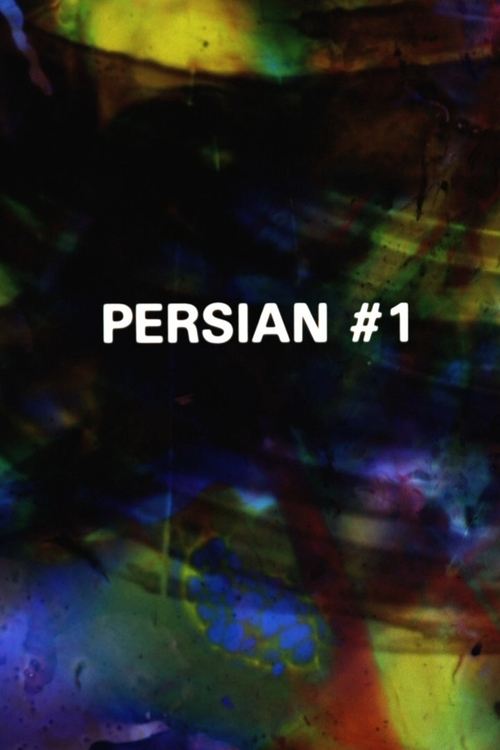
Stan Brakhage’s *Persian Series #1* is a formalist exploration of texture and decay, focusing on sensory experience rather than social commentary. As a hand-painted, non-narrative experimental short, it avoids traditional character arcs and dialogue, emphasizing instead the sensory experience of light and shape. Because the film centers on abstract colors and organic shapes like twigs and fruit, it operates outside the framework of social identity politics. The absence of human subjects means it cannot be evaluated using metrics for characters who reflect more than one aspect of diversity and ability to act. Ultimately, the work serves as a deconstruction of cinematic language, prioritizing light and shape over structured, identity-driven plots found in conventional filmmaking.
Category Breakdown
Since the film features no characters or interpersonal dynamics, there is no opportunity to represent sexual orientation or gender identity.
The film's non-human and non-anthropomorphic structure lacks gendered actors or social hierarchies, thus avoiding any focus on gender norms.
Although the title hints at cultural significance, the visual content is made up of abstract shapes and colors, lacking any specific racial or ethnic representation.
The film emphasizes sensory abstraction rather than Western narrative structures, but it does not include specific cultural elements necessary for a higher cultural score.
As the film does not feature human subjects, it does not address physical, neurodivergent, or mental health representation.
Present on Screen
Limited or Absent
Official Synopsis
This hand-painted and elaborately step-printed work begins with a flourish of reds and yellows and purples in palpable fruit-like shapes interspersed by darkness, then becomes lit lightning-like by sharp multiply-colored twigs-of shape, all resolving into shapes of decay. Preserved by the Academy Film Archive in 2013.
1993
1999
1995
1960
2000
1981

1996
1996
No reviews yet. Be the first to share your thoughts on this movie!
Use the rating form above to leave a star rating and optional review.