Process Red
1966
No user ratings available yet
Representation score: 0.6 out of 10
Representation Score
Minimal
1969
Director
Hollis Frampton
Runtime
6 minutes
Average Rating
No ratings yetNew Showbiz Analysis
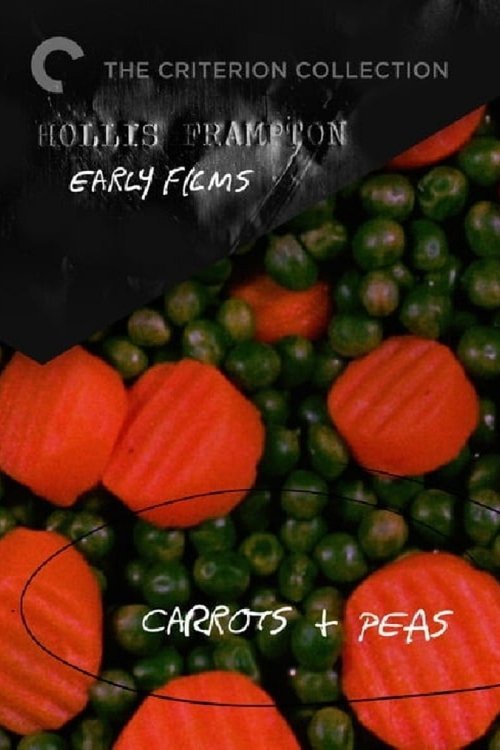
Hollis Frampton’s experimental short is a structuralist exploration of color and texture rather than a conventional narrative film. Because it focuses on the formal qualities of vegetables, it lacks the human subjects needed to address identity-based representation. Though it performs poorly on traditional diversity metrics, the film makes a progressive statement by challenging standard cinematic norms. By rejecting typical storytelling structures and commercial narratives, it questions the usual consumption of media. The low score is a result of the film's non-representational nature, which prioritizes sensory abstraction over the depiction of social or human identities.
Category Breakdown
The film focuses solely on the visual qualities of plants and does not include any characters or interpersonal dynamics related to sexual orientation.
This work centers on abstract forms and lacks human subjects or social roles, so it does not engage with gender hierarchies or dynamics.
The film concentrates exclusively on botanical subjects and does not involve any human racial or ethnic identities.
The film eschews traditional Western storytelling and moral lessons, promoting intellectual secularism by removing the human drama used to reinforce social norms.
Since there are no human characters in this short, there is no representation of physical or neurodivergent identities.
Present on Screen
Limited or Absent
Official Synopsis
An experimental short film which compares and contrasts the colors of carrots and peas.
1966
1968
1960
1966
1965
1981
1974
1958
No reviews yet. Be the first to share your thoughts on this movie!
Use the rating form above to leave a star rating and optional review.