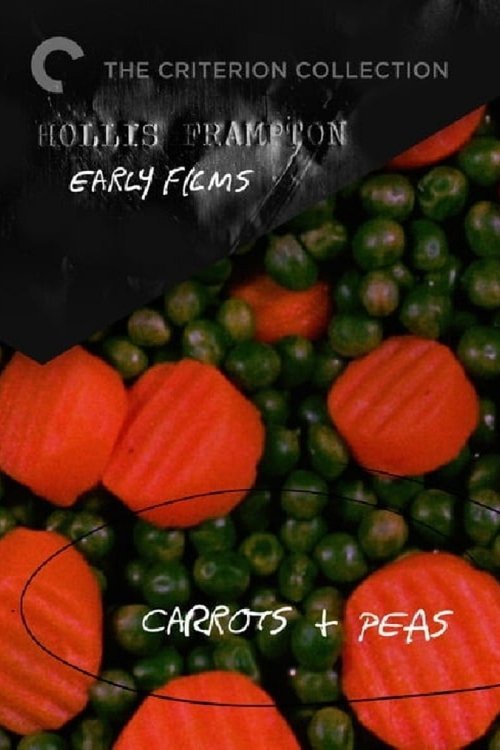
Carrots & Peas
1969
No user ratings available yet
Representation score: 0.6 out of 10
Representation Score
Minimal
1966
Director
Hollis Frampton
Runtime
4 minutes
Average Rating
No ratings yetNew Showbiz Analysis
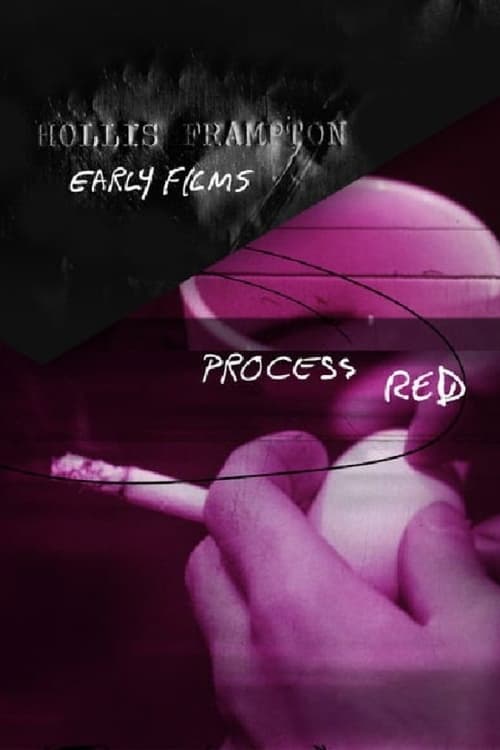
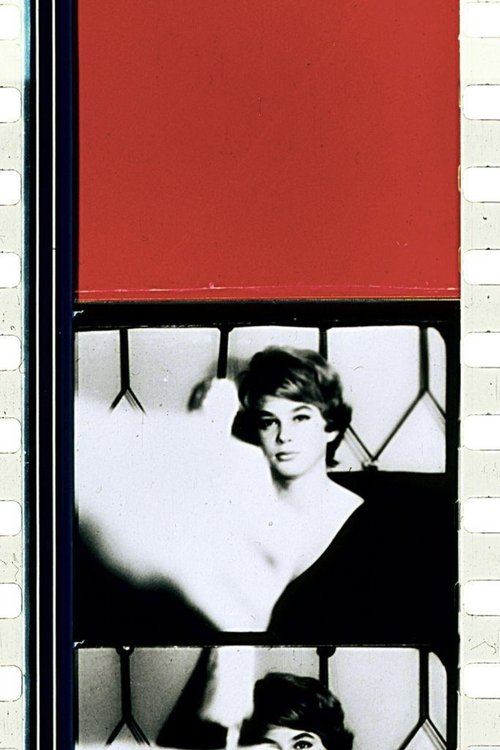
Hollis Frampton’s *Process Red* is a formalist exploration of color theory and visual abstraction. It prioritizes the use of filmic images over traditional narratives, making it a study of rhythm and time rather than human experiences. Since the film lacks characters, dialogue, and a central storyline, it operates outside the usual frameworks used to assess social identity. It doesn’t engage with social markers or diverse representations found in mainstream cinema. The low diversity score stems from the complete absence of human subjects. The film doesn’t perpetuate harmful stereotypes but instead avoids storytelling driven by identity.
Category Breakdown
The film focuses on color experimentation and lacks characters, romantic relationships, or gendered identities, so it doesn't explore LGBTQ themes or challenge assumptions about straight relationships.
The work emphasizes a structure that isn't centered around humans. Without interpersonal interactions or characters, it doesn't address masculinity, femininity, or gender roles.
This is a work of color abstraction. Since there are no human subjects, it doesn't depict racial or ethnic diversity or challenge racial stereotypes.
The film avoids traditional storytelling methods and religious symbols. It focuses on pure abstraction rather than Western narrative traditions.
The film concentrates solely on the sensory experience of color. There are no human subjects or characters representing neurodiversity.
Present on Screen
Limited or Absent
Official Synopsis
An experimental short film by Hollis Frampton of contrasting colours.
1969
1966
1971
1960
1968
1958
1993
1976
No reviews yet. Be the first to share your thoughts on this movie!
Use the rating form above to leave a star rating and optional review.