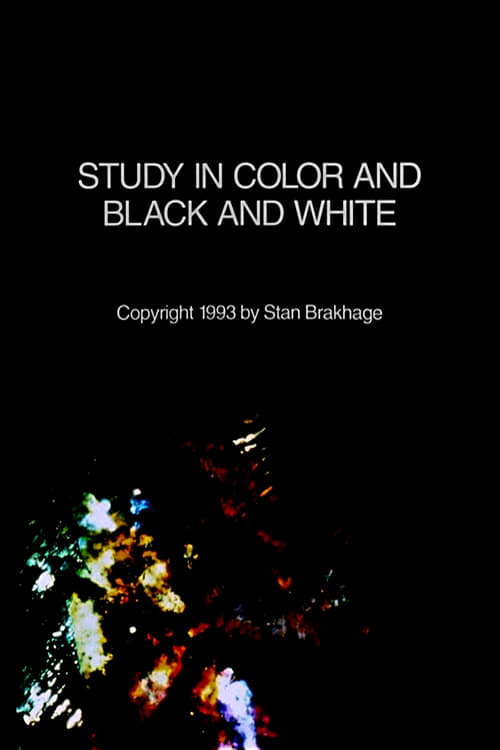
Study in Color and Black and White
1993
No user ratings available yet
Diversity score: 0.0 out of 10
1981
Director
Stan Brakhage
Runtime
18 minutes
Average Rating
No ratings yetSynopsis
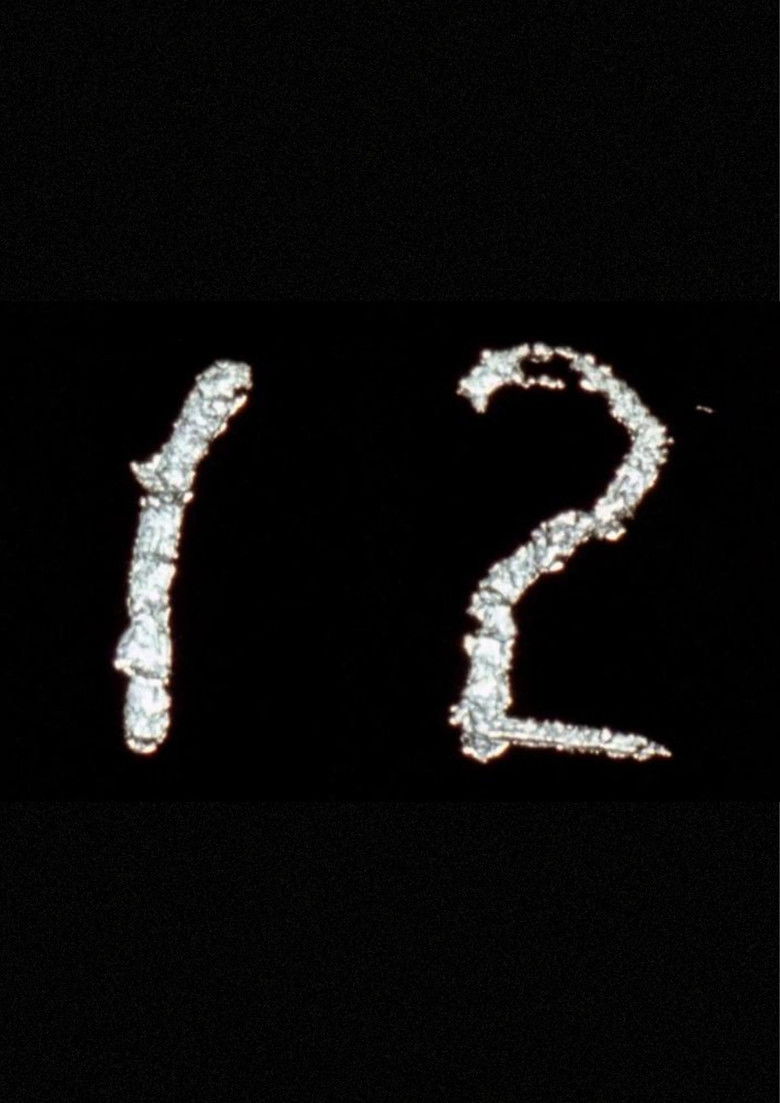
This is the twelfth film in the twenty-part Arabics series. Brakhage creates blurry visual fields that are profoundly without ground, worlds of unidentifiable, ever-shifting shapes, and oceans of light and darkness.
Overall Score
Minimal
Category Breakdown
LGBTQ+ Representation
The film contains no characters or interpersonal dynamics. As a purely formalist work, it lacks any depiction of sexual orientation or gender identity.
Gender Representation
This work operates entirely outside human representation. It does not engage with gender hierarchies because it lacks human subjects.
Racial & Ethnic Diversity
The film utilizes blurry visual fields and shifting shapes rather than representational imagery. Consequently, it features no racial or ethnic casting.
Religious & Cultural Diversity
The film bypasses cultural, religious, or political frameworks through a focus on light and rhythm. It avoids promoting any specific institutional identity.
Disability Representation
There are no depictions of neurodivergence or physical ability. The focus remains on the mechanics of light rather than lived human experiences.
Strengths
Areas for Improvement
AI Analysis
Stan Brakhage’s *Arabic Numeral Series 12* is a work of pure formalist abstraction. It prioritizes sensory experience and rhythmic light over traditional cinematic grammar or narrative structure. Because the film eschews representational imagery, it lacks the semiotic tools—such as character agency or dialogue—needed to address identity. It does not engage in sociopolitical storytelling or the subversion of identity-based tropes. Ultimately, the film exists outside the human social contract, focusing on unidentifiable shapes and oceans of darkness rather than human subjects.
1993
1960
1999
1967
1992
1962

1981
1991
1964
1964
1960

1958
No reviews yet. Be the first to share your thoughts on this movie!
Use the rating form above to leave a star rating and optional review.