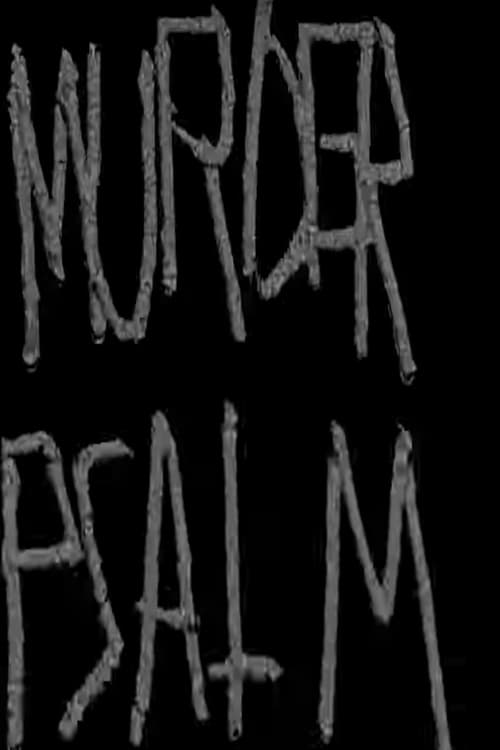
Murder Psalm
1980
No user ratings available yet
Representation score: 2.2 out of 10

Representation Score
Minimal
1960
Director
Stan Brakhage
Runtime
11 minutes
Average Rating
No ratings yetNew Showbiz Analysis
Stan Brakhage’s *The Dead* is a foundational work of avant-garde cinema that operates entirely outside the parameters of traditional narrative structure. As a non-narrative, experimental short, the film eschews character development, dialogue, and plot in favor of rhythmic montage and visual abstraction. Because the work focuses on the mechanics of perception and the physical properties of light and celluloid, it does not engage with social hierarchies, identity politics, or interpersonal dynamics. The film’s significance lies in its postmodern rejection of representational reality. Ultimately, the film is a study of pure form rather than a vehicle for social commentary. It intentionally avoids imagery that could be interpreted through the lenses of race, gender, or social class.
Category Breakdown
The film does not include any human characters, romantic relationships, or gendered identities. It does not engage with assumptions about straight relationships or explore queer identities.
The work does not feature any gendered performances. It lacks depictions of masculinity, femininity, or the subversion of gender hierarchies.
The film contains no cast or character-driven content. It does not use racial metaphors or address ethnic identity.
The film avoids traditional institutions such as religion or the nuclear family. It exists in a state of total abstraction, removed from sociological contexts.
There are no depictions of physical or neurodivergent identities. The focus is on the mechanics of vision rather than lived experience.
Present on Screen
Limited or Absent
Official Synopsis
"The Dead became my first work in which things that might very easily be taken as symbols were so photographed as to destroy all their symbolic potential. The action of making The Dead kept me alive." Preserved by the Academy Film Archive in partnership with The Film Foundation in 2013.
1980
1981
1965
1964
1996
1964
1999
1993
No reviews yet. Be the first to share your thoughts on this movie!
Use the rating form above to leave a star rating and optional review.