Color Film
1971
No user ratings available yet
Representation score: 0.6 out of 10
Representation Score
Minimal
1966
Director
Owen Land
Runtime
6 minutes
Average Rating
No ratings yetNew Showbiz Analysis
Owen Land’s work is a seminal piece of structural cinema that prioritizes the physical properties of film over traditional storytelling. By focusing on sprocket holes and edge lettering, the film disrupts conventional spectatorship and forces an encounter with the medium itself. Because the film eschews narrative, it remains functionally neutral regarding social demographics. It does not engage with identity politics or social justice frameworks, as there are no characters to represent specific lived experiences. However, the film's rejection of cohesive, Western-style storytelling serves as a postmodern critique of media authority.
Category Breakdown
Since the film lacks characters and dialogue, there is no depiction of sexual orientation or gender identity.
The film focuses on cinematic mechanics and does not engage with or subvert gender roles due to its lack of character development.
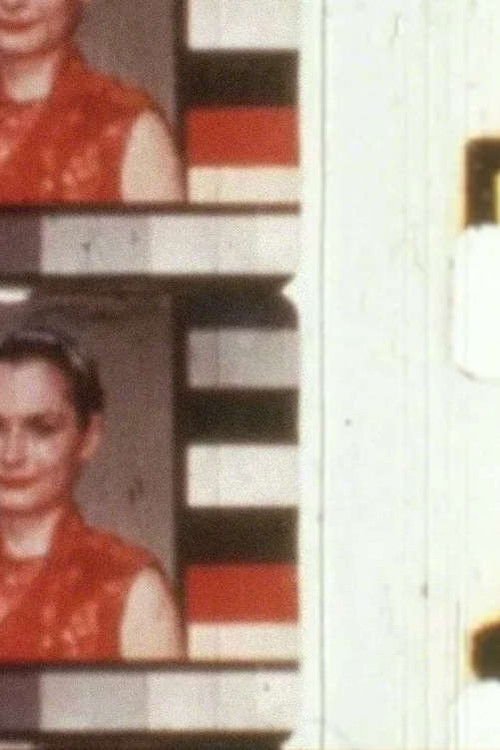
The visual content includes a 'China girl' photographic test image featuring an East Asian subject, which is a technical element rather than a narrative exploration of identity.
The work employs a postmodern architectural style that deconstructs cinematic illusions, challenging Western narrative authority by focusing on the raw, industrial components of the film medium.
The film contains no depictions of human ability to act or characters, so it does not provide any representation of physical or neurodivergent identities.
Present on Screen
Limited or Absent
Official Synopsis
Film in Which There Appear... is a six-minute loop of the double-printed image of a "China girl" or "Shirley card", her image off-center, making visible the sprocket holes and edge lettering on the film. According to Land, within the loop, "no development in the dramatic or musical sense" occurs. Fred Camper described Film in Which There Appear... as "a kind of Duchampian found object, a [...] film that focuses attention on the medium and the viewer." There also exists a 20-minute "widescreen version" involving two prints of the film projected side-by-side, with the left print flipped horizontally so that the "China girl" forms an almost complete face in the center.
1971
1958
1963
1965
1966
1966
1969
1968
No reviews yet. Be the first to share your thoughts on this movie!
Use the rating form above to leave a star rating and optional review.