
Process Red
1966
No user ratings available yet
Representation score: 0.6 out of 10
Representation Score
Minimal
1966
Director
Tony Conrad
Runtime
30 minutes
Average Rating
No ratings yetNew Showbiz Analysis
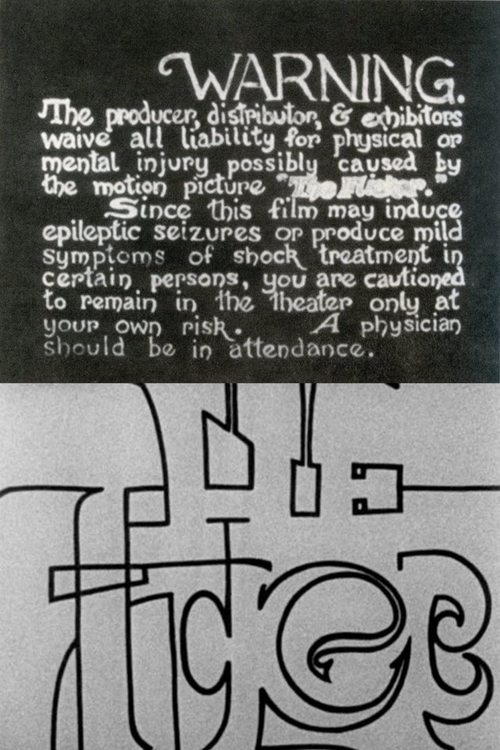
Tony Conrad’s *The Flicker* is a formalist experiment that abandons traditional narrative structures. By using only alternating black and white frames, the film strips away the illusion of representation entirely. Since the work lacks characters, dialogue, and plot, it cannot engage with identity-based representation or the overlapping aspects of identity. Instead, it functions as a radical deconstruction of the cinematic medium, challenging the passive viewership model. While it fails traditional demographic metrics, the film’s significance lies in its structural defiance, which questions the authority of the moving image.
Category Breakdown
The film contains no characters or interpersonal dynamics. No depictions of gender identity or sexual orientation are present.
The absence of human subjects precludes any analysis of gender hierarchies. There are no subversions of traditional masculine or feminine roles.
The work is purely abstract and non-representational. It contains no cast or ethnic identifiers.
The film rejects Western narrative traditions through pure abstraction. It prioritizes sensory experience over the structured, moralistic frameworks of mid-century commercial media.
There are no characters or depictions of neurodivergence or physical disability within the frame.
Present on Screen
Limited or Absent
Official Synopsis
A film consisting of alternating black and white frames.
1966
1993
1971
1960
1995
1958
1965

1969
No reviews yet. Be the first to share your thoughts on this movie!
Use the rating form above to leave a star rating and optional review.