
Adebar
1958
No user ratings available yet
Representation score: 0.6 out of 10
Representation Score
Minimal
1960
Director
Peter Kubelka
Runtime
7 minutes
Average Rating
No ratings yetNew Showbiz Analysis
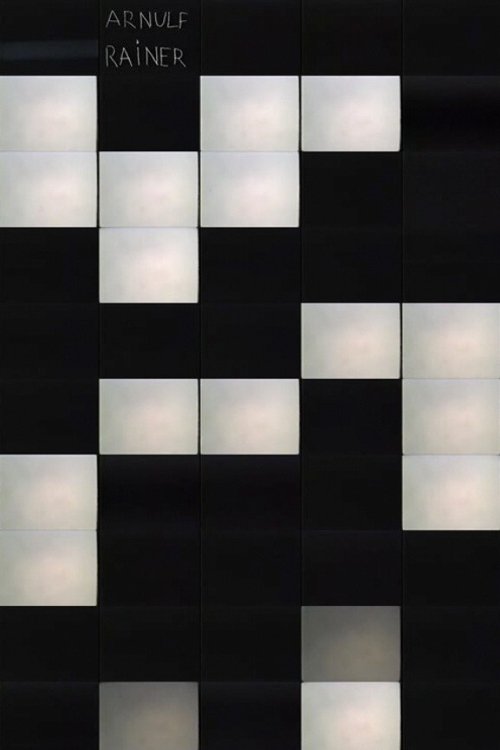
Arnulf Rainer is a foundational structuralist film that prioritizes the material properties of cinema over humanistic storytelling. By removing plot, setting, and character's ability to drive the story, the film exists in a vacuum regarding diverse representation. The film's mathematical approach to montage deconstructs the medium itself. While this challenges traditional Western narrative structures, it does so through formalist experimentation rather than social advocacy or intentional diversity. Ultimately, the film does not actively promote traditional hierarchies, but it lacks the character-driven intentionality needed to disrupt them. It remains a purely physical investigation of light, sound, and rhythm.
Category Breakdown
The film does not depict gender identity or sexual orientation. It focuses on the physical properties of cinema rather than exploring LGBTQ identities.
The film does not show gender roles or hierarchies because there is no character interaction. It emphasizes the impact of light and rhythm instead.
The film features a single white male subject and follows a homogeneous casting profile typical of its 1960 release period.
The film does not engage with specific religious or cultural ideologies. Instead, it deconstructs traditional cinematic storytelling.
The film does not depict any disabilities or neurodivergence. It focuses solely on the rhythmic study of facial expressions.
Present on Screen
Limited or Absent
Official Synopsis
An experimental film, the last in Peter Kubelka's trilogy of “metric films”. Each frame of Arnulf Rainer is composed of darkness or light and silence or sound.
1958
1958
1960
1966

1966
1981

1964
1993
No reviews yet. Be the first to share your thoughts on this movie!
Use the rating form above to leave a star rating and optional review.