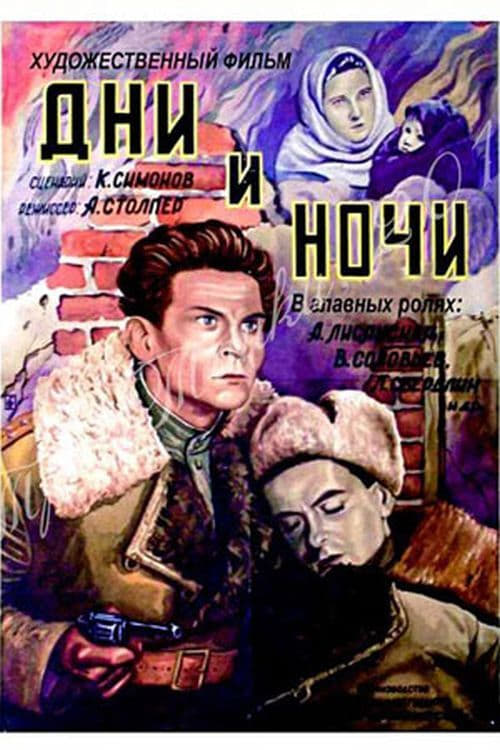
Days and Nights
1945
No user ratings available yet
Diversity score: 5.6 out of 10
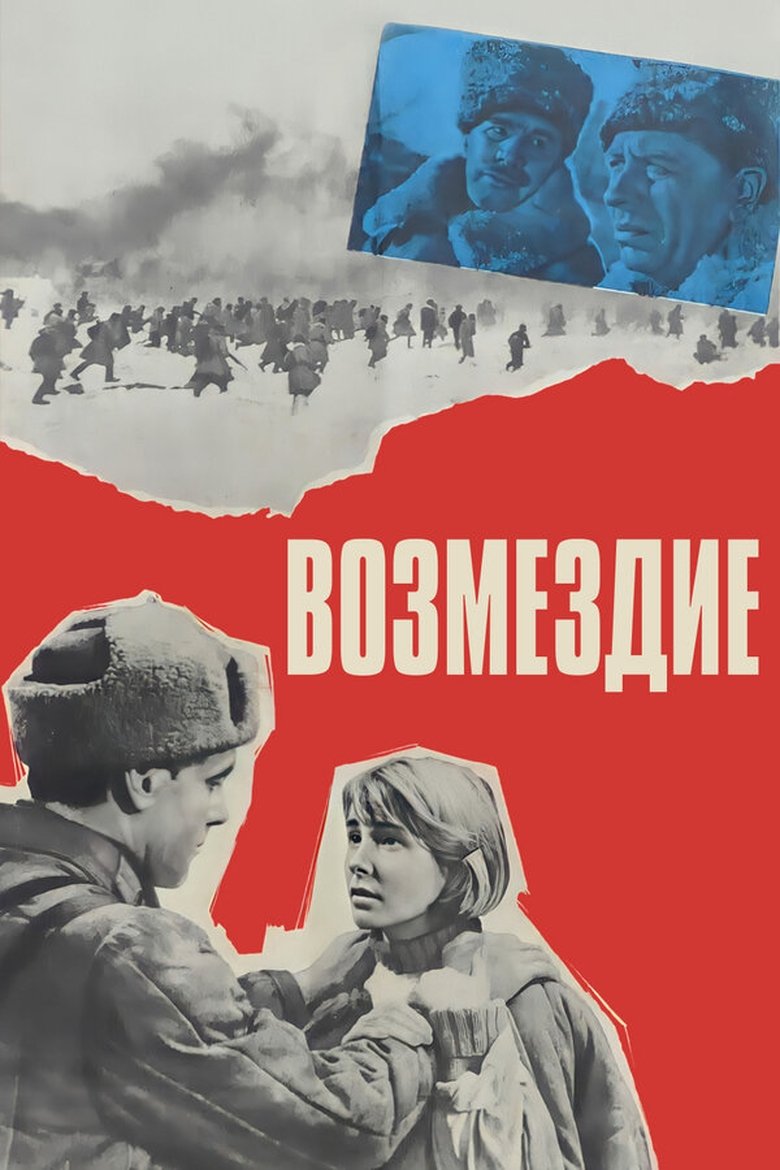
1969
Director
Aleksandr Stolper
Runtime
126 minutes
Average Rating
No ratings yetSynopsis
The continuation of a story started by Alexander Stolper epic movie "The Alive and the Dead".
Overall Score
Fair
Category Breakdown
LGBTQ+ Representation
The film operates within the rigid social frameworks of 1969 Soviet realism. There are no non-heteronormative gender identities or same-sex narratives present.
Gender Representation
Female partisans disrupt the idea of a purely male combat sphere. However, the hierarchy remains centered on traditional masculine leadership and military command.
Racial & Ethnic Diversity
The casting reflects the multi-ethnic composition of the Soviet Union. Diverse ethnic identities appear within the partisan units, transcending a monolithic ethnic lens.
Religious & Cultural Diversity
The narrative centers on an anti-fascist framework and the collective struggle of the resistance. It prioritizes systemic resistance over individualist or capitalist ideals.
Disability Representation
Physical injuries serve as markers of war's brutality rather than nuanced explorations of agency. Disability is not a central thematic element.
Strengths
Areas for Improvement
AI Analysis
Retribution is a work of historical realism that prioritizes the collective struggle of the Soviet wartime era. It succeeds in portraying a multi-ethnic resistance movement that reflects the diverse composition of the Soviet republics. The film lacks modern intersectional nuances, particularly regarding LGBTQ+ and disability representation. While women participate in the resistance, the narrative structure remains heavily anchored in traditional masculine military hierarchies. Ultimately, the film's strength lies in its disruption of individualistic heroic tropes. It replaces them with a systemic, collective portrayal of survival against Nazi occupation.
1945
1946
1984

2011
1959

1964
1945
1980

1971
1969
1974
1976
No reviews yet. Be the first to share your thoughts on this movie!
Use the rating form above to leave a star rating and optional review.