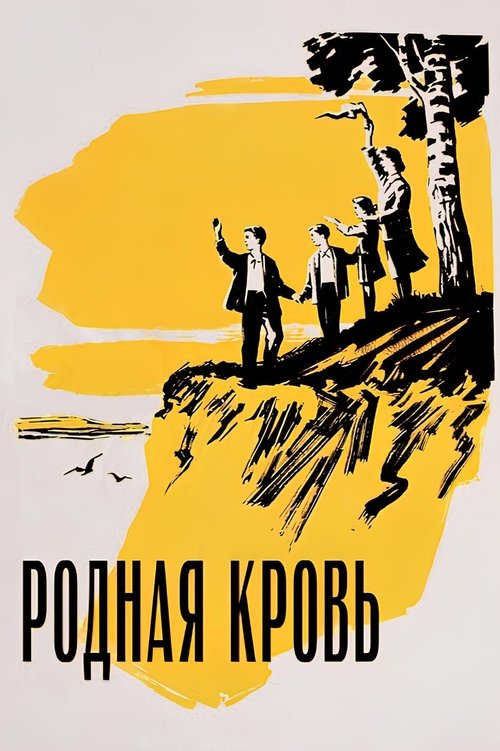
Blood Ties
1964
No user ratings available yet
Representation score: 5.4 out of 10
Representation Score
Limited
1976
Director
Leonid Bykov
Runtime
87 minutes
Average Rating
No ratings yetNew Showbiz Analysis
Leonid Bykov’s film centers on the psychological experiences of common soldiers, emphasizing the collective experience over individual heroics. It portrays the multi-ethnic composition of the Soviet Union, offering a nuanced view of a unified front during wartime. However, the film is limited by the social structures of its time, lacking modern representations of LGBTQ+ identities and gender diversity. Women are sidelined to passive roles, serving as symbols of domesticity or loss. Ultimately, the film celebrates collectivism, subverting traditional hero clichés by focusing on the shared struggles and communal bonds of a diverse group of soldiers.
Category Breakdown
The film adheres to a traditional mid-20th-century dramatic framework and does not depict non-binary gender identities or same-sex relationships.
The narrative focuses on male military leadership and camaraderie, with women appearing mainly as symbols of domestic life or grief, reinforcing passive roles.
The cast includes a variety of ethnicities reflecting the diverse makeup of the USSR, emphasizing the unity of the Red Army during wartime.
The film highlights the shared sacrifice of the working class, emphasizing collective resilience against fascism, and downplaying individual heroism.
Physical injuries and combat traumas are shown, highlighting the sacrifices made during war but not delving into individual ability to act.
Present on Screen
Limited or Absent
Official Synopsis
The families of 18 soldiers who heroically died in 1944 are meeting at the place of the squad last battle.
1964

1977
1984
1962
1956
1959

1949
1945
No reviews yet. Be the first to share your thoughts on this movie!
Use the rating form above to leave a star rating and optional review.