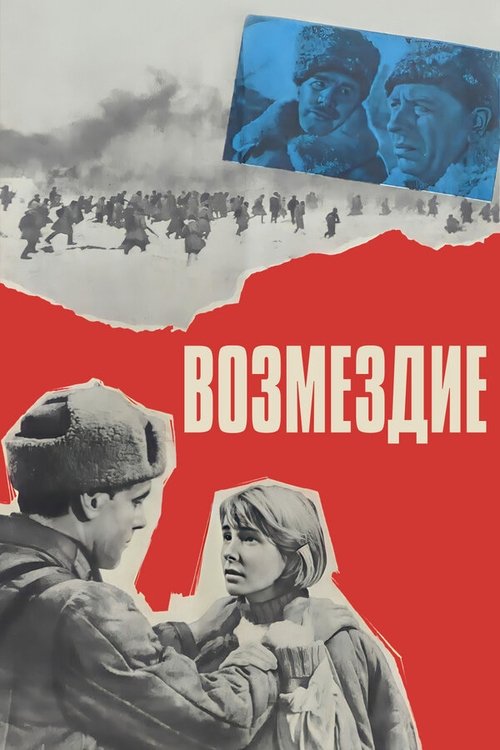
Retribution
1969
No user ratings available yet
Diversity score: 4.7 out of 10
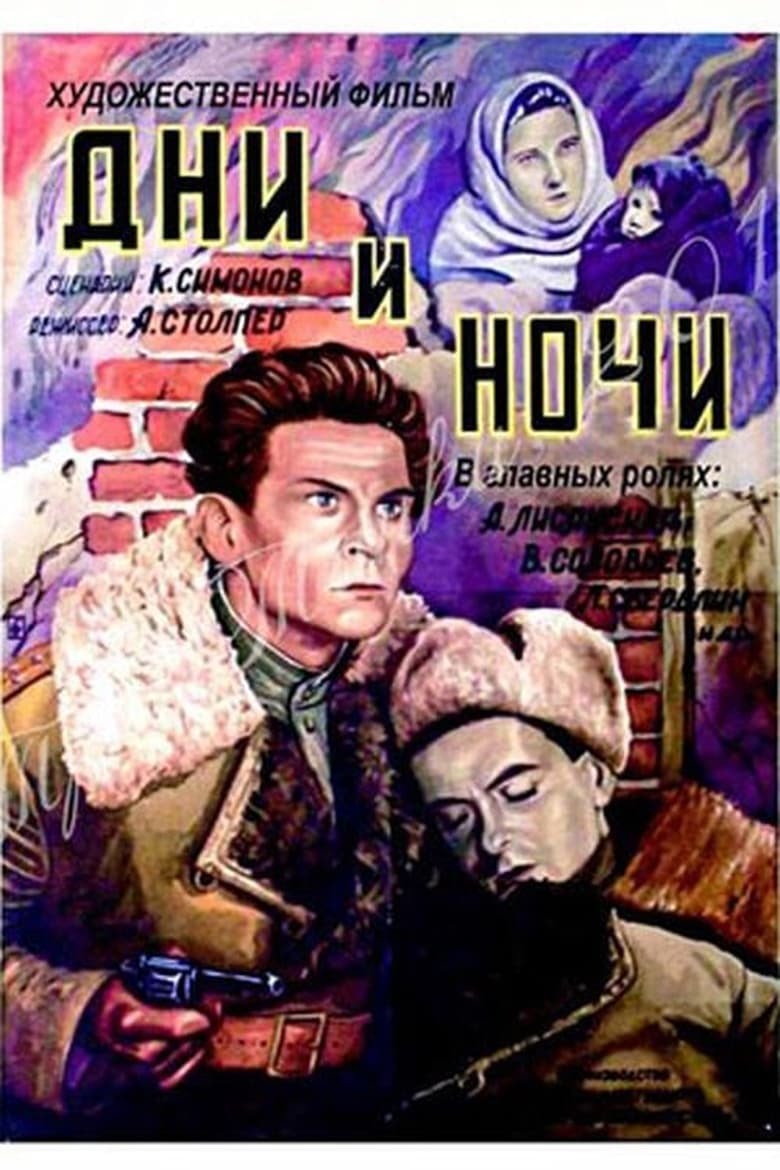
1945
ApprovedDirector
Aleksandr Stolper
Runtime
90 minutes
Average Rating
No ratings yetSynopsis
This literary adaptation was the first Soviet feature length dramatization, as opposed to documentary film, on the momentous Battle of Stalingrad.
Overall Score
Fair
Category Breakdown
LGBTQ+ Representation
The film focuses entirely on the high-stakes realities of the Eastern Front. It contains no queer narratives or non-cisnormative identities, adhering to the heteronormative social constraints of 1945.
Gender Representation
Female characters navigate survival and negotiation within a militarized landscape. While they avoid submissive tropes, their agency is largely defined by the geopolitical circumstances of the occupation.
Racial & Ethnic Diversity
The casting reflects the multi-ethnic reality of the Soviet military and the local German population. It avoids Hollywood's homogeneous casting norms by presenting a diverse array of ethnicities.
Religious & Cultural Diversity
The narrative critiques Western structures and prioritizes collective morality over individualistic or religious frameworks. It centers on the deconstruction of the defeated German social order.
Disability Representation
There is no discernible focus on physical disability or neurodivergence. Characters are defined primarily by their roles in the military and civilian struggle.
Strengths
Areas for Improvement
AI Analysis
Days and Nights stands out for its cultural perspective, offering a critique of Western institutions by centering the Soviet experience during the occupation of Germany. It effectively deconstructs traditional social hierarchies through a proletarian lens. However, the film lacks modern intersectional representation. There is a complete absence of LGBTQ+ identities and disability narratives, as the story remains strictly tethered to the immediate military and survivalist realities of the era.
1969

1959
1938
1946

2011
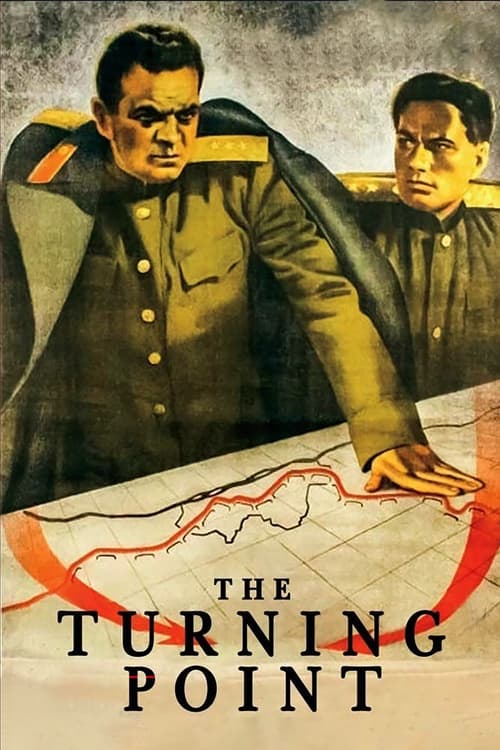
1945

1943

1929
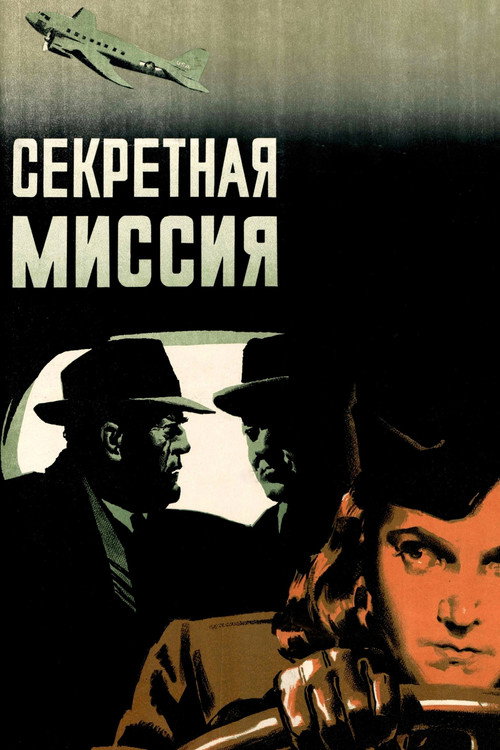
1950
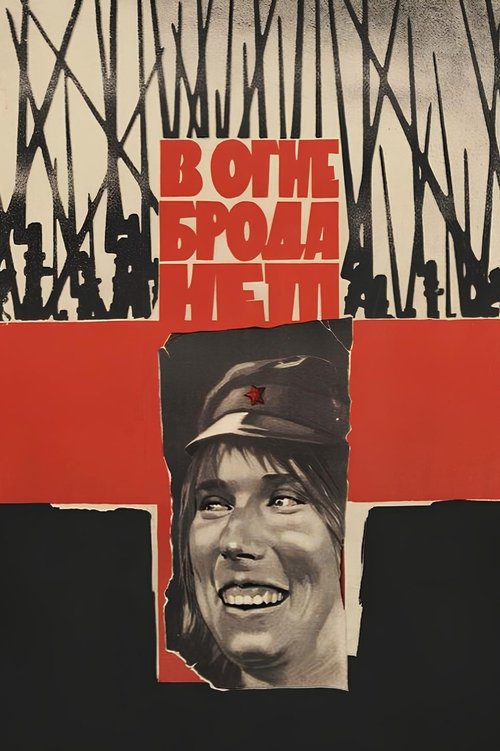
1967

1958

1979
No reviews yet. Be the first to share your thoughts on this movie!
Use the rating form above to leave a star rating and optional review.