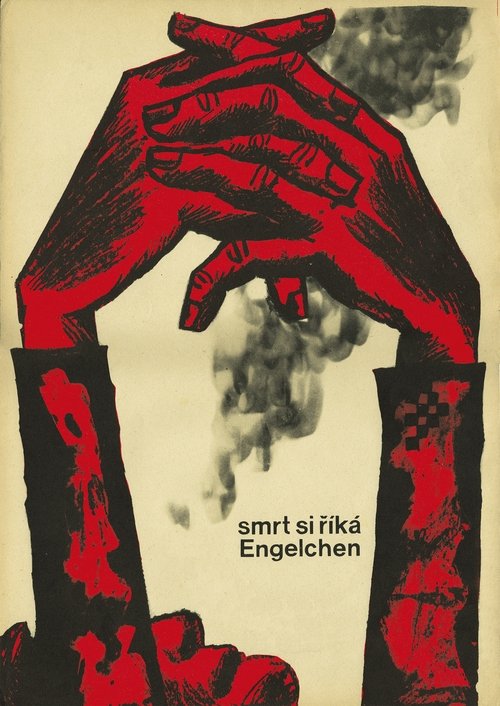
Death Is Called Engelchen
1963
No user ratings available yet
Representation score: 4.3 out of 10
Representation Score
Limited
1971
Director
Antun Vrdoljak
Runtime
81 minutes
Average Rating
No ratings yetNew Showbiz Analysis
The film is a period drama rooted in the socio-political realities of mid-20th-century Eastern Europe. It serves as a study of systemic power dynamics, especially the tension between institutional ideology and personal motivation. Although the film lacks contemporary markers of diverse identity representation, such as LGBTQ+ or visible disability, it offers a strong cultural critique of Western individualist and capitalist norms. It contrasts individualist morality with the situational ethics of a revolutionary movement. Ultimately, the film's strength lies in its exploration of how grassroots resistance navigates monolithic authority, providing a perspective distinct from conventional Western cinematic heroism.
Category Breakdown
The film does not include any representations of LGBTQ+ identities or queer narratives. It focuses on the masculine environment of wartime partisan warfare.
The story centers around male-dominated hierarchies, particularly among commissars and squad leaders. Male combatants play the primary roles in this wartime setting.
As a Yugoslav production, the film highlights ethnic and national identities relevant to the Balkan theater. It examines ethnic solidarity within the historical context of the partisan movement.
The film emphasizes the collective revolutionary struggle over Western individualist ideals. It provides a nuanced view of the tension between state ideology and individual motivation.
There are no specific details about physical or neurodivergent representation in the narrative context.
Present on Screen
Limited or Absent
Official Synopsis
Communist party commissar Ivica is sent to the lowland village to monitor the local partisan squad. Despite their disagreements he befriends their leader Dikan and they plan to evacuate the chief headquarters. Dikan also sees the opportunity to have his personal revenge on an enemy officer, responsible for death of one of his men.
1963
1977
1976
1962

1955
1964
1959

1971
No reviews yet. Be the first to share your thoughts on this movie!
Use the rating form above to leave a star rating and optional review.