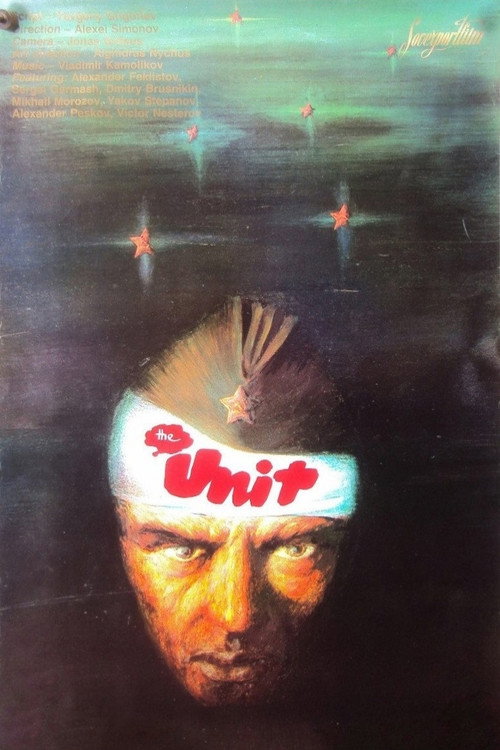
The Unit
1984
No user ratings available yet
Diversity score: 3.5 out of 10
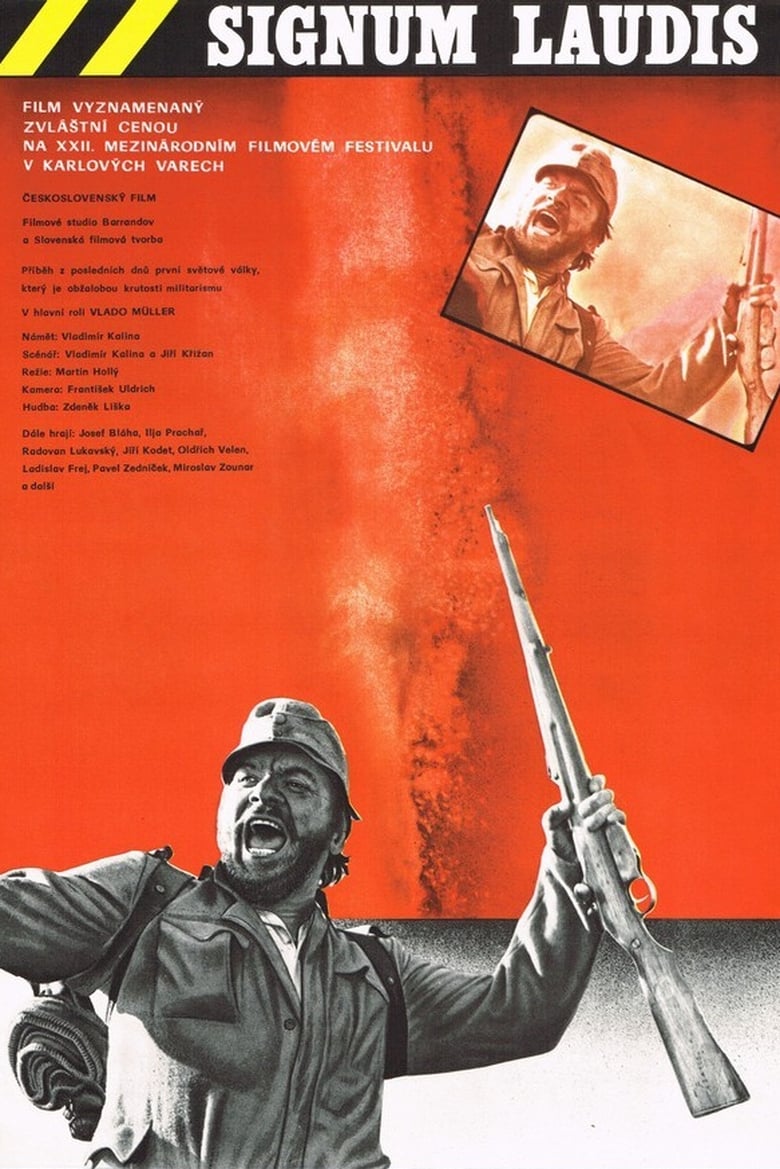
1980
Director
Martin Hollý
Runtime
84 minutes
Average Rating
No ratings yetSynopsis
The trenches of World War I provide for a captivating backdrop to the drama of Corporal Hoferik. In his devotion to the Habsburg Monarchy, he fanatically carries out his military orders, but he ultimately suffers the Empire's disfavor.
Overall Score
Limited
Category Breakdown
LGBTQ+ Representation
The film shows no evidence of non-cisnormative identities or same-sex narratives. It appears to adhere to the social constraints of a 20th-century military setting.
Gender Representation
The story centers on a male protagonist in a hyper-masculine environment. It explores male psychological vulnerability but lacks significant agency for female characters.
Racial & Ethnic Diversity
Set in the multi-ethnic Habsburg Empire, the film has structural potential for diversity. However, the narrative prioritizes imperial loyalty over explicit ethnic intersectionality.
Religious & Cultural Diversity
The film offers a sophisticated critique of Western institutions. It disrupts the 'glorious empire' trope by portraying the Monarchy as a source of systemic instability.
Disability Representation
There is no documented evidence of characters with visible or invisible disabilities integrated into the narrative arc.
Strengths
Areas for Improvement
AI Analysis
The Medal is a psychological period drama that prioritizes the friction between individual identity and rigid state institutions. It functions as a deconstruction of the heroic soldier trope, focusing on the volatility of imperial hierarchies during World War I. While the film lacks representation for LGBTQ+ identities and disabilities, it succeeds in its thematic subversion of traditional patriotism. It moves away from grand spectacle to examine how state institutions can be indifferent to those who serve them. Ultimately, the film's strength lies in its narrative architecture rather than modern identity-based metrics, offering a skeptical view of authority and the fragility of institutional loyalty.
1984
2008

1968
1943
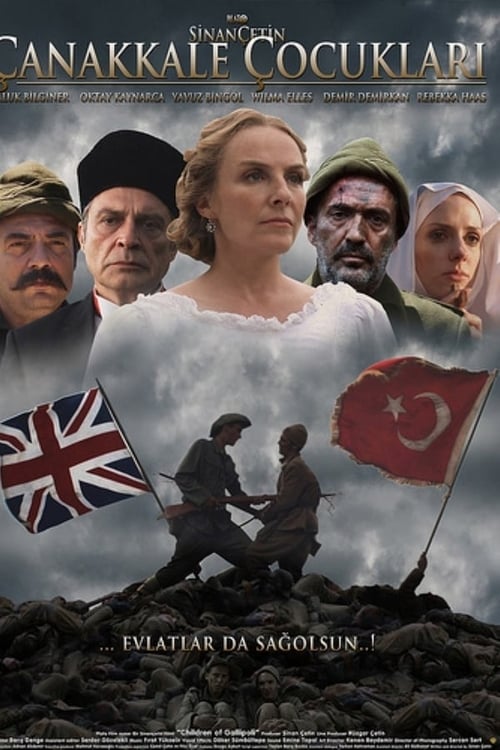
2011
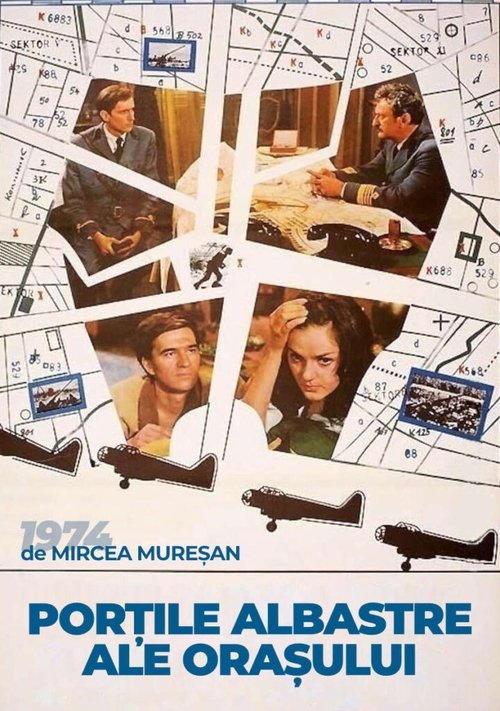
1974
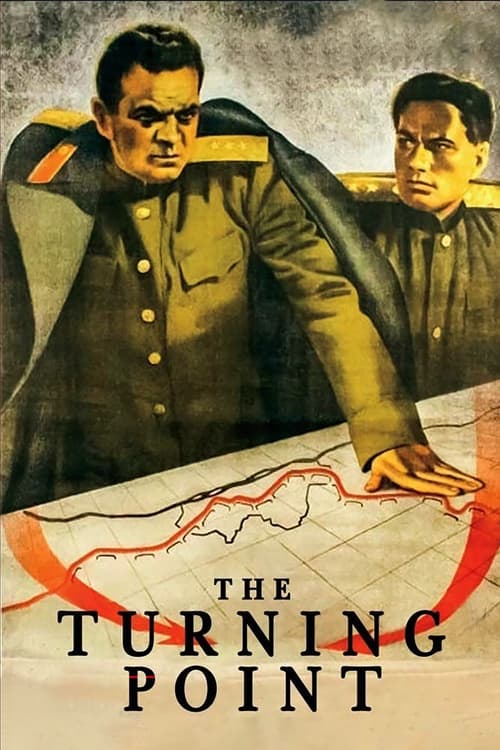
1945
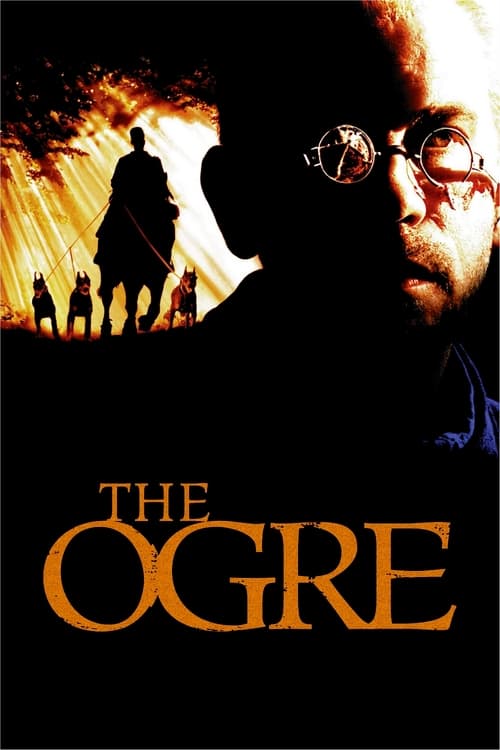
1996
1978
1993

1989

1959
No reviews yet. Be the first to share your thoughts on this movie!
Use the rating form above to leave a star rating and optional review.