
Twenty Days Without War
1976
No user ratings available yet
Representation score: 4.8 out of 10
Representation Score
Good
1964
Director
Aleksandr Stolper
Runtime
0 minutes
Average Rating
No ratings yetNew Showbiz Analysis
Aleksandr Stolper’s work stands out for its willingness to challenge the ideological status quo of the Soviet era. By addressing anti-Stalinism and the inhumanity of war, the film moves away from state-sanctioned monolithic narratives toward a more humanistic perspective. While the film lacks modern identity-based representation, such as explicit LGBTQ+ arcs or specific disability advocacy, it finds strength in its cultural critique. It deconstructs the idealized image of the state, focusing instead on the vulnerability of the individual within a massive political machine. Ultimately, the film's value lies in its sophisticated narrative structure. It prioritizes moral relativism and systemic critique over the nationalist fervor typically found in wartime cinema.
Category Breakdown
The film focuses on the existential and political struggles of the Soviet war effort. There are no LGBTQ+ character arcs or non-cisgender identities presented in the narrative.
The story centers on a male war correspondent, following traditional masculine war drama clichés. However, its critique of systemic cruelty suggests a more psychologically complex portrayal of masculinity.
The cast likely reflects the multi-ethnic composition of the Soviet military during WWII. However, it is unclear if the film actively uses diverse casting to represent the USSR's ethnic breadth.
The film excels by critiquing traditional power structures and addressing anti-Stalinism. It frames the state apparatus as potentially oppressive, highlighting the tension between individual morality and institutional rigidity.
The thematic focus on the 'alive and the dead' implies an engagement with combat trauma. Characters may experience the lasting physical or mental effects of the human cost of conflict.
Present on Screen
Limited or Absent
Official Synopsis
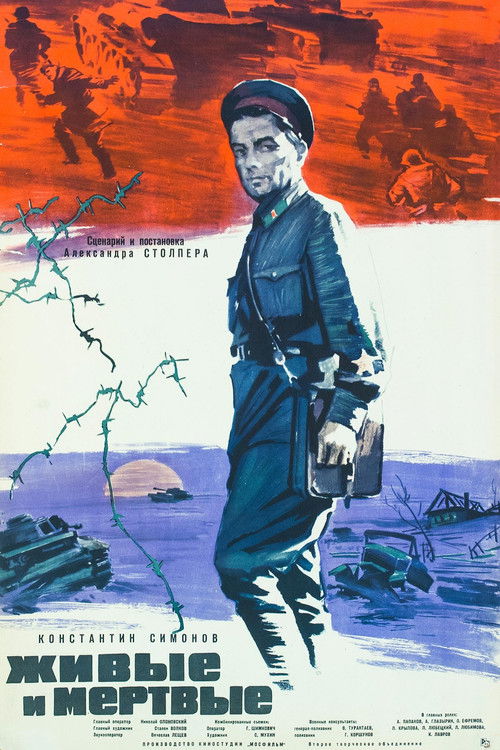
A Russian war correspondent is drafted into the war and finds himself in the middle of battle. When he loses his party card, however, he is treated as a deserter until he finds help from a kind man.
1976
1959
1978
1961

1957
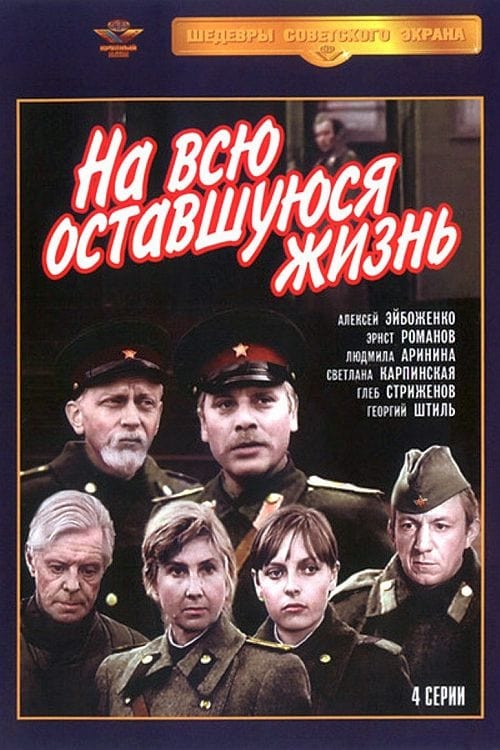
1975
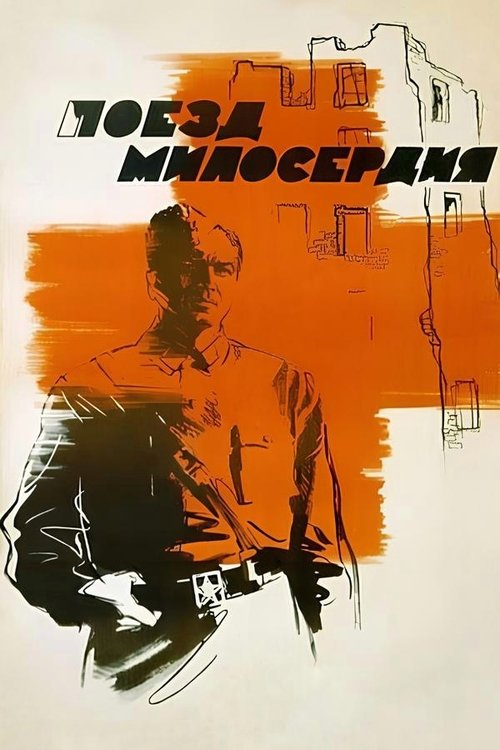
1965
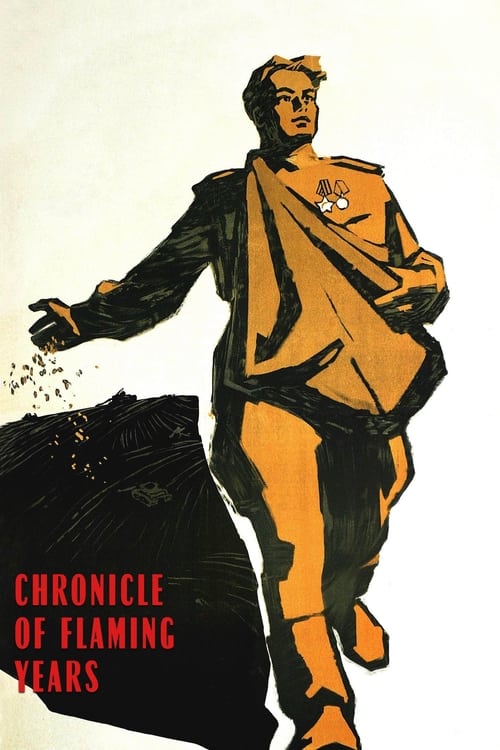
1961
No reviews yet. Be the first to share your thoughts on this movie!
Use the rating form above to leave a star rating and optional review.