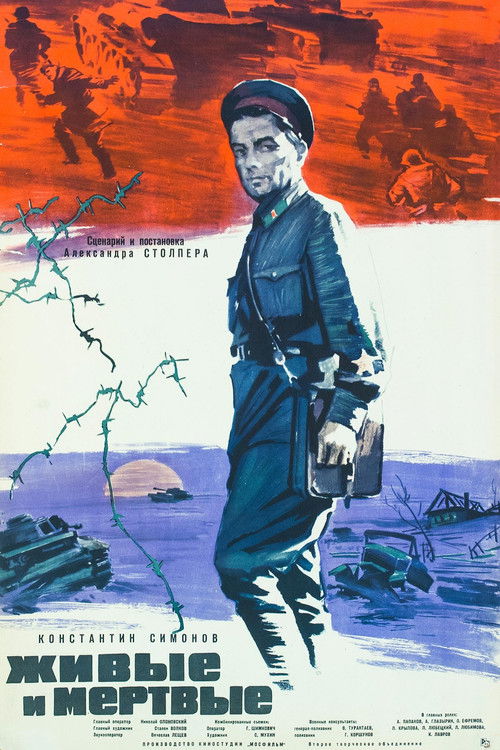
The Alive and the Dead
1964
No user ratings available yet
Representation score: 7.5 out of 10
Representation Score
Fair
1976
Director
Aleksei German
Runtime
101 minutes
Average Rating
No ratings yetNew Showbiz Analysis
Aleksei German’s work steers clear of the traditional heroic myths of the war genre. Instead, it zeroes in on the day-to-day, fragmented experiences of a war correspondent navigating a period of widespread instability. The film's strength lies in its cultural deconstruction and geographic diversity. By shifting the setting from Moscow to Central Asia, it presents a more nuanced, multi-ethnic view of the Soviet wartime experience. However, the film remains confined to a male-centric perspective, limiting the roles of female characters and failing to represent LGBTQ+ identities explicitly.
Category Breakdown
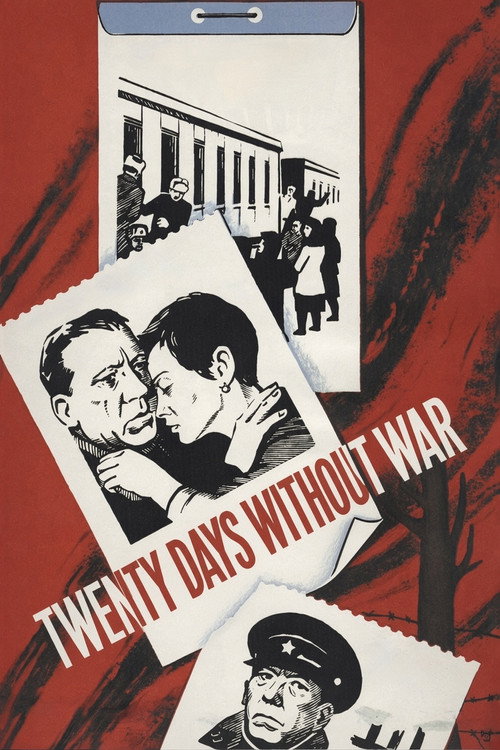
The film does not include any queer narratives or non-straight relationships. It sticks closely to the societal norms of its 1942 setting.
The story mainly revolves around the male experience of war and professional life. Women appear mostly in minor roles, such as in a brief romantic subplot.
By setting the story in Tashkent, the film introduces a multi-ethnic environment. This change from the usual Moscow setting adds a richer, more varied texture.
The film challenges traditional institutions by showing wartime as chaotic and decaying. It emphasizes personal experiences over grand patriotic stories.
The film explores psychological trauma and combat stress as part of the atmosphere. However, it does not provide specific character arcs focused on disability.
Present on Screen
Limited or Absent
Official Synopsis
War correspondent Lopatin takes a 20-day-leave from his hard work at the front in 1942. He travels to faraway Tashkent to meet the family of the killed soldier and visit the film set of the screen adaptation of his war-time stories. Lopatin also manages to walk the streets of Tashkent, take part in a factory workers' meeting and have a short-lived love affair. Although with no bombings and fighting, the city dwellers breathe the atmosphere of the ongoing war.
1964

1959
1992
1977
1975
1967
1978
1986
No reviews yet. Be the first to share your thoughts on this movie!
Use the rating form above to leave a star rating and optional review.