
On the Road of Immortality
1957
No user ratings available yet
Diversity score: 4.5 out of 10
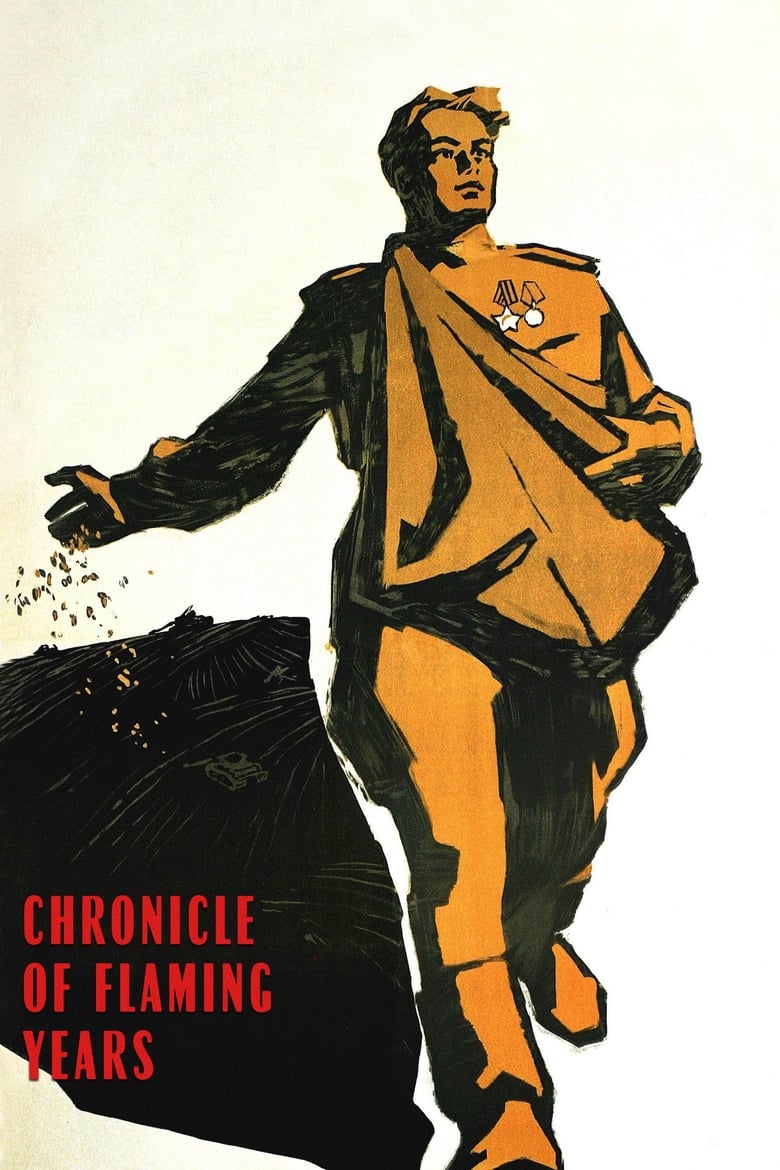
1961
Director
Yuliya Solntseva
Runtime
91 minutes
Average Rating
No ratings yetSynopsis
Once again, director Yulia Solnsteva directs a movie that her late husband Alexandre Dovchenko scripted but did not live long enough to shoot. In this wartime drama, the emphasis is on the heroics of both the civilians and the soldiers during times of severe stress in World War II. At the core of the action is one man in particular, whose sacrifices and heroics speak for a much larger group.
Overall Score
Fair
Category Breakdown
LGBTQ+ Representation
The film focuses on traditional social cohesion and state-sanctioned heroism. There is no evidence of queer narratives or non-cisnormative identities within this 1961 Soviet wartime drama.
Gender Representation
The narrative highlights the heroics of both civilians and soldiers. This often includes women acting as combatants, resilient workers, or strategic leaders rather than submissive domestic figures.
Racial & Ethnic Diversity
The cast likely reflects the multi-ethnic composition of the USSR. The story emphasizes the collective struggle of various ethnic groups within the Soviet geopolitical sphere.
Religious & Cultural Diversity
The film prioritizes collective survival and communal duty over Western-style individualism. It presents a systemic perspective where the individual is secondary to the state and the cause.
Disability Representation
Physical injury serves as a narrative device to illustrate the costs of war. However, characters may lack agency outside of their trauma, functioning primarily as symbols of sacrifice.
Strengths
Areas for Improvement
AI Analysis
Chronicle of Flaming Years is a sweeping Soviet epic that centers on collective heroism rather than individualistic tropes. It emphasizes the shared sacrifices of soldiers and civilians during World War II, driven by a state-aligned morality. The film succeeds in presenting a communal struggle that challenges Western notions of the lone hero. By focusing on the intersection of individual sacrifice and the greater good, it provides a unique cultural perspective on wartime resilience. However, the film lacks modern intersectional markers. Representation of LGBTQ+ identities and specific disability agency is minimal, with characters often serving as symbolic tools for the broader narrative of national struggle.
1957
1964
1954
1968
1970
2006

1976
1975
1955
1978
1971

1945
No reviews yet. Be the first to share your thoughts on this movie!
Use the rating form above to leave a star rating and optional review.