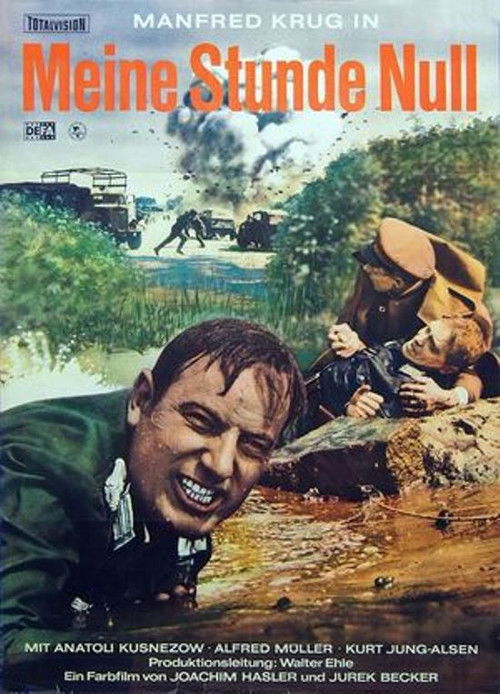
My Zero Hour
1970
No user ratings available yet
Representation score: 2.4 out of 10
Representation Score
Fair
2014
Director
Zoltán Füle
Runtime
104 minutes
Average Rating
No ratings yetNew Showbiz Analysis
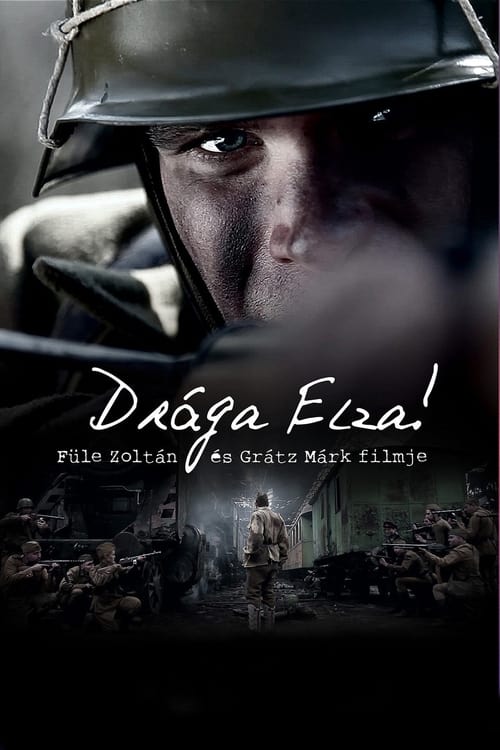
Dear Elza! is a period drama that emphasizes historical authenticity and psychological realism over contemporary frameworks. The film successfully deconstructs the myth of wartime heroism by highlighting the erosion of institutional loyalty and personal disillusionment. However, it adheres closely to traditional demographic structures, focusing on a masculine narrative of duty and suffering. Consequently, the film lacks broad representation of diverse identities and experiences.
Category Breakdown
The film follows a traditional framework where everyone is assumed to be straight or cisgender. There are no visible LGBTQ+ identities or same-sex relationships in the plot.
The story is told from a male perspective and focuses on a traditional masculine storyline of duty and suffering. It does not challenge the established gender hierarchy.
The cast reflects the demographics of the 1942 Eastern Front, involving multiple nationalities. However, the film sticks to historical realism and does not use diverse casting to challenge social norms.
The story questions institutional faith and patriotic morality. It explores a complex, subjective understanding of truth through the protagonist's disillusionment with systemic structures.
Physical injuries and wounds create tension around survival. The depiction of the elderly character serves mainly as a philosophical contrast rather than a detailed look at disability.
Present on Screen
Limited or Absent
Official Synopsis
End of 1942, Ukraine, eastern front. The Private Lombos (Gábor Makray), a soldier loyal to his homeland, whose only desire as a freshman is to see his young wife again, serves here. However, due to an administrative error, he misses the train heading home. He thinks it can’t get any worse, but the real hell only begins. Educated young teacher, who speaks 3 languages, desperately fulfills his duty, takes up arms again, and marches on the Eastern Front. He is wounded in an attack and survives the night behind enemy lines in a pit. This is when he meets a mysterious old man (Tamás Varga), and this meeting changes everything. The old man's words shake his unbroken faith in his military family and homeland. At dawn, Russian soldiers find them, and Lombos is captured and then caught among the “tramplers”. The old man then also appears among the enemy's ranks, walks in the shadows, and tries to keep the young soldier alive at all costs with his advice.
1970
2002
1978
2019
2006
2006
2022
2021
No reviews yet. Be the first to share your thoughts on this movie!
Use the rating form above to leave a star rating and optional review.