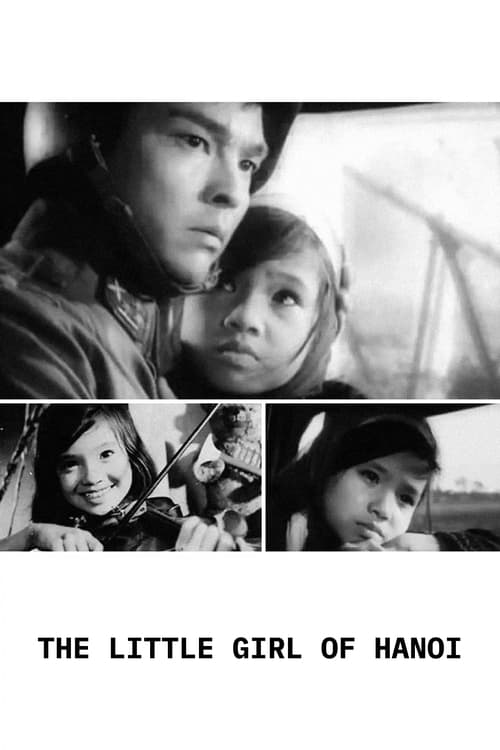
The Little Girl of Hanoi
1974
No user ratings available yet
Representation score: 6.4 out of 10
Representation Score
Good
1970
GPDirector
Raoul Coutard
Runtime
93 minutes
Average Rating
No ratings yetNew Showbiz Analysis
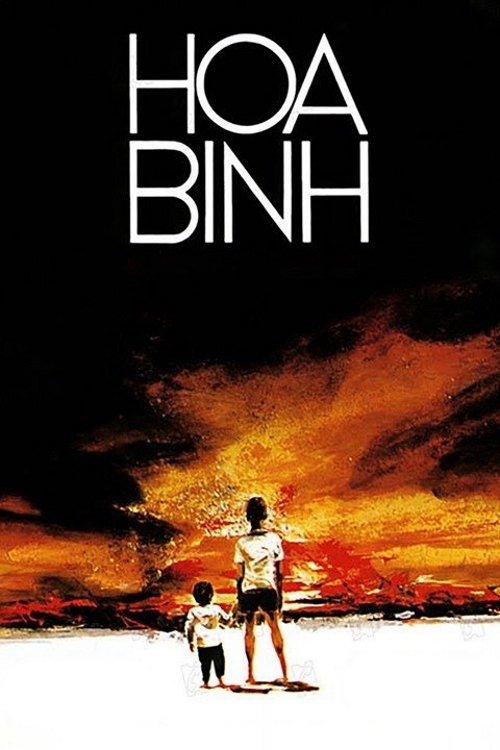
The film stands out from 1970s Western war cinema by emphasizing the lived experiences of Vietnamese people. It shifts focus from geopolitical spectacle to the systemic disruptions of family life and survival. While the film lacks specific representation for LGBTQ+ identities or nuanced disability portrayals, it excels in providing ethnic ability to act. The director’s background in combat photography adds a documentary-like authenticity to the portrayal of underrepresented voices. Ultimately, the work critiques external intervention, centering the struggle for autonomy within a local, non-Western context.
Category Breakdown
The film centers on a nuclear family during wartime, with no clear depiction of LGBTQ+ characters or narratives exploring non-straight relationships.
It highlights the struggles of women in domestic settings and the systemic failures of healthcare. The film challenges traditional gender roles by focusing on a young boy's role as a caregiver.
The narrative emphasizes the ability to act of non-Western subjects by centering a Vietnamese family. It avoids the 'white savior' cliché by focusing on local complexities and national ability to act.
The film explores anti-colonial themes and the devastation caused by Western intervention. It frames political struggles from the perspective of the oppressed rather than a Western moral viewpoint.
Illness is used as a plot catalyst following the mother's death. There is no evidence of characters with disabilities possessing active ability to act or depth.
Present on Screen
Limited or Absent
Official Synopsis
A young Vietnamese boy's life is thrown into turmoil by the war raging in his country. The ten year old remains with his mother and baby sister as his father goes off to fight for the Viet Cong. During his father's absence, his mother dies from overwork and the inability to find proper medical care for her illness. He cares for his baby sister and struggles to earn a living by shining shoes and doing other odd jobs before his father returns. Both an American soldier and a Viet Cong regular are shown defending their country's political agenda. Also shown are guerilla tactics and bombings in this feature directed by veteran combat photographer Raoul Coutard.
1974
1987
2012
1959
1967
1961
1988
1985
No reviews yet. Be the first to share your thoughts on this movie!
Use the rating form above to leave a star rating and optional review.