
Red Square
1970
No user ratings available yet
Representation score: 6.8 out of 10
Representation Score
Limited
1967
Not RatedDirector
Miklós Jancsó
Runtime
90 minutes
Average Rating
No ratings yetNew Showbiz Analysis
Miklós Jancsó’s work prioritizes systemic movement and the mechanics of power over individual character arcs. This formalist approach deconstructs traditional narrative hierarchies, favoring a study of collective movement over personal identity. The film excels in its cultural critique, challenging Western notions of individualist heroism by focusing on the cyclical nature of power. It effectively portrays the breakdown of social order as a response to institutional corruption. However, the film lacks representation in modern identity-based metrics. It offers little visibility for LGBTQ+ individuals, diverse racial identities, or characters with disabilities, remaining tethered to the specific socioeconomic homogeneity of its historical setting.
Category Breakdown
The film focuses solely on the 1919 Hungarian-Bolshevik conflict and does not include any LGBTQ narratives or non-straight identities, prioritizing political factions over individual romantic lives.
Gendered roles are secondary to class and political affiliation. While the film does not promote traditional femininity, it does not center women as primary drivers of the plot.
This is a localized study of Central European class struggle. It depicts the ethnic and socioeconomic homogeneity of the rural Hungarian population during a period of civil upheaval.
The film offers a profound critique of Western power structures and feudal authority. It uses historical materialism to frame state institutions as tools of systemic oppression.
There is no focus on disability or neurodivergence. Characters function primarily as components within a larger socio-political context.
Present on Screen
Limited or Absent
Official Synopsis
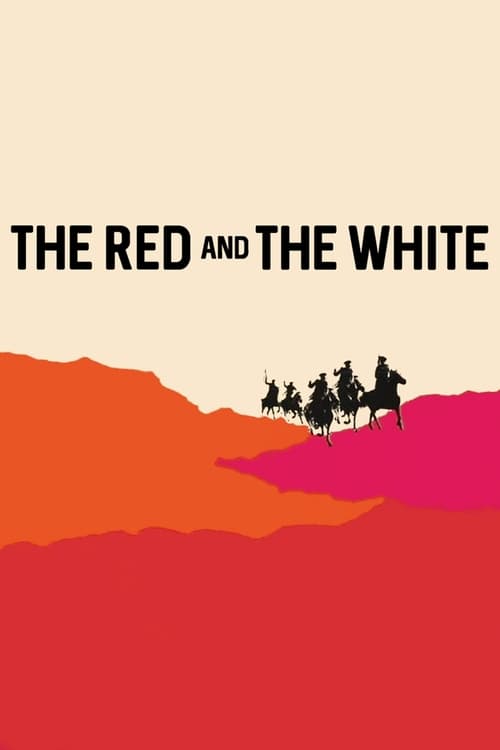
In 1919, Hungarian Communists aid the Bolsheviks' defeat of Czarists, the Whites. Near the Volga, a monastery and a field hospital are held by one side and then the other.
1970
1959

1957

1977
1971
1995
1972
1976
No reviews yet. Be the first to share your thoughts on this movie!
Use the rating form above to leave a star rating and optional review.