
Red Square
1970
No user ratings available yet
Representation score: 6.8 out of 10
Representation Score
Fair
1967
Director
Aleksei German, Grigoriy Aronov
Runtime
89 minutes
Average Rating
No ratings yetNew Showbiz Analysis
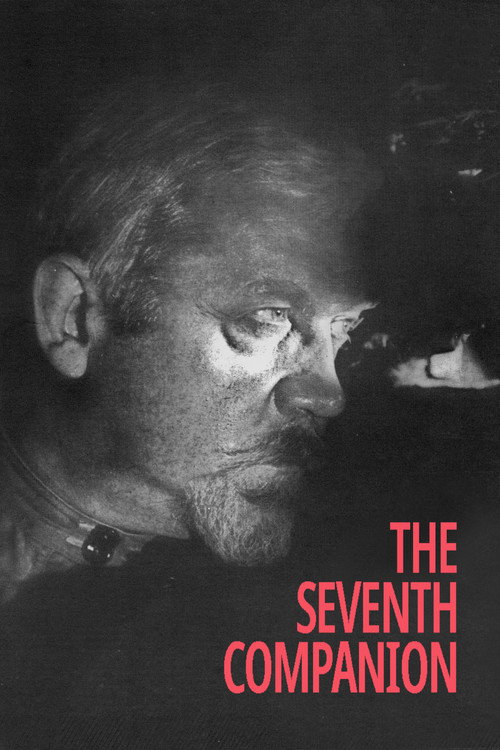
The film functions primarily as a historical character study centered on the psychological toll of systemic shifts. It prioritizes the deconstruction of social hierarchies and the displacement of the intelligentsia over demographic variety. While the work lacks modern markers of diversity such as LGBTQ+ or diverse ethnic casting, it achieves depth through its critique of the Tsarist and Bolshevik transitions. The focus remains on the personal fragmentation of the protagonist during the Red Terror. Ultimately, the film's value lies in its complex portrayal of institutional collapse rather than its breadth of representation.
Category Breakdown
The film does not include any explicit LGBTQ+ characters or representations of non-straight relationships. Instead, it focuses on the sociopolitical upheaval of the Red Terror.
The story centers on the masculine experience of war and political imprisonment. There is no evidence of women playing significant roles or challenging traditional hierarchies.
Set during the Russian Civil War, the film depicts a relatively homogeneous ethnic landscape. Conflict is driven by class and political affiliation rather than racial diversity.
The film provides a sophisticated critique of institutional stability. It portrays the transition to a new state as a period of profound loss and systemic upheaval.
There is no evidence of characters with visible or invisible disabilities within the narrative.
Present on Screen
Limited or Absent
Official Synopsis
A portrait of the era of "Red Terror" during the civil war that followed the Bolshevik revolution, The Seventh Companion offers a character study in General Adamov (Andrei Popov), a law professor in the tsarist army, who is incarcerated by the Bolshevik secret police along with many other members of the bourgeoisie. Finally released into the new world of the Soviet Union, the resigned officer finds that he has lost everything from his old life except a mantel clock that he carries through the night from place to place, until he ends up back where he started.
1970
1959

1967

1994
1964
1995
1954

1989
No reviews yet. Be the first to share your thoughts on this movie!
Use the rating form above to leave a star rating and optional review.