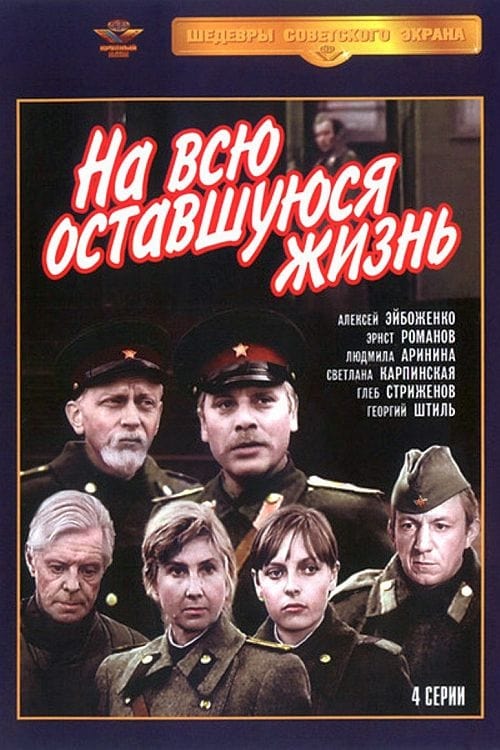
For the Rest of My Life
1975
No user ratings available yet
Representation score: 4.1 out of 10

Representation Score
Good
1957
TV-14Director
Georgi Tovstonogov
Average Rating
No ratings yetNew Showbiz Analysis
Georgi Tovstonogov's work showcases the psychological depth characteristic of Soviet cinema, yet it remains a product of its specific socio-political context. The film offers a non-Western perspective on historical struggles, emphasizing collective morality over individualistic values. However, the film is limited by the era's social realism. It lacks significant representation for underrepresented identities, adhering to traditional gender roles and ethnic archetypes prevalent in 1950s state-sanctioned productions. Ultimately, the film provides a culturally distinct viewpoint that challenges imperialist motivations, even while maintaining the era's standard approach to gender and disability.
Category Breakdown
The film adheres strictly to the societal norms of the 1957 Soviet Union, where everyone is assumed to be straight and cisgender. There is no indication of queer subtext or diverse gender identities.
During wartime, women often embody resilience and sacrifice within traditional gender roles. They rarely act as disruptors of patriarchal structures, instead serving as symbols of strength and endurance.
The film likely reflects the USSR's diverse ethnic composition. However, it emphasizes Slavic-centric heroism and nationalistic archetypes typical of mid-century Soviet war films.
This film challenges Western capitalist structures by highlighting collective identity. It disrupts Western-centric historical narratives by focusing on the moral significance of the collective struggle.
Physical injuries often serve as a narrative device to highlight the tragedy of war. These portrayals rarely give characters independent roles or nuanced depictions of long-term disability.
Present on Screen
Limited or Absent
1975
1961
1965
1959
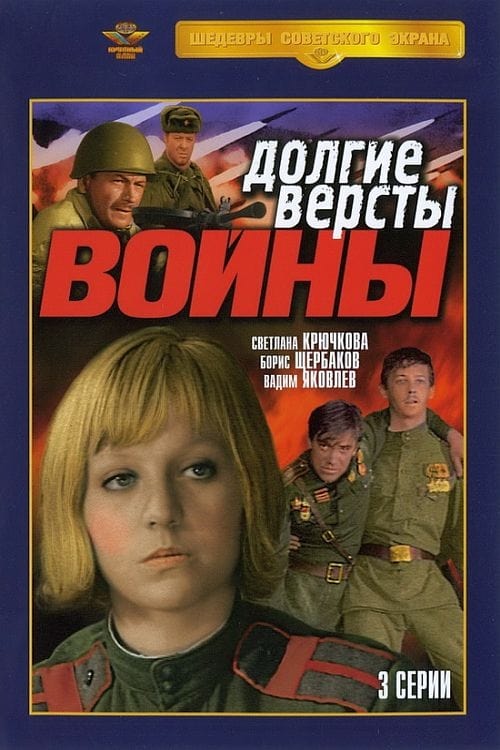
1976
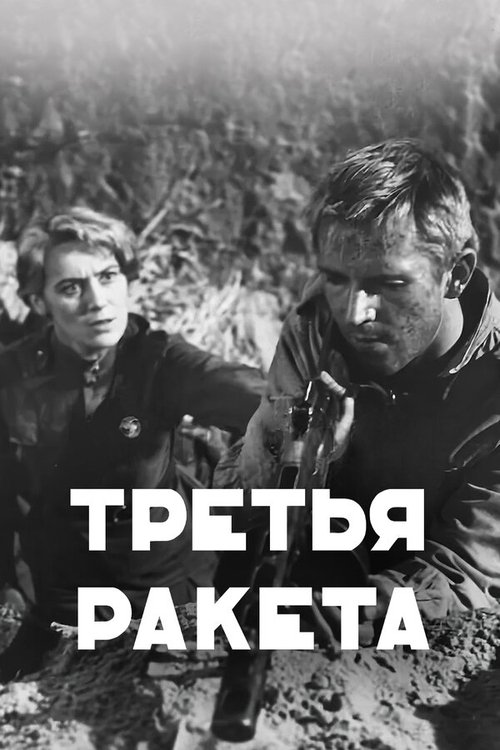
1963
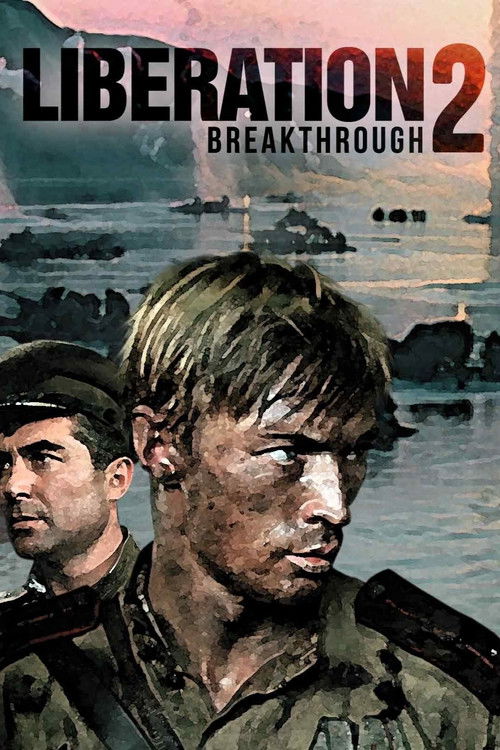
1970
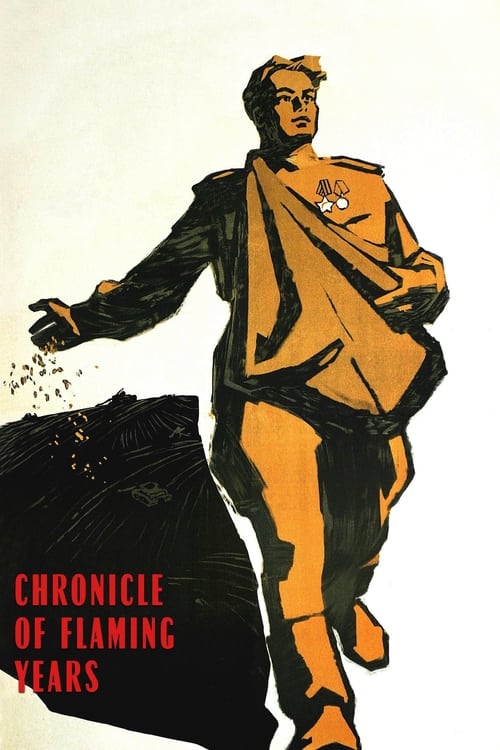
1961
No reviews yet. Be the first to share your thoughts on this movie!
Use the rating form above to leave a star rating and optional review.