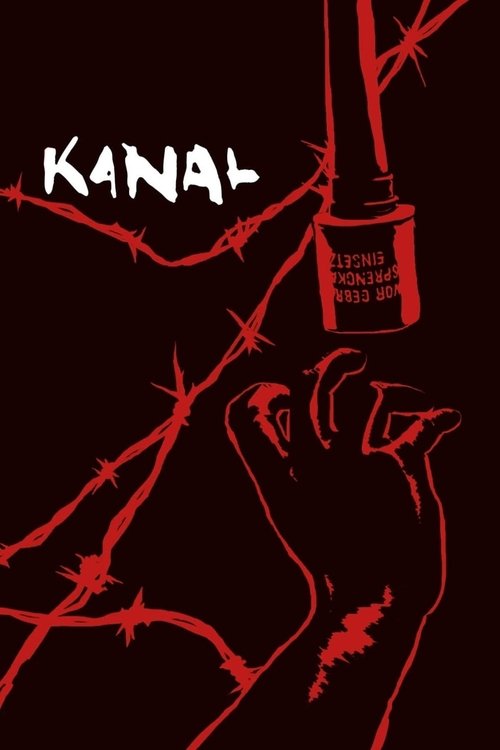
A Generation
1955
No user ratings available yet
Representation score: 3.2 out of 10
Representation Score
Fair
1957
Not RatedDirector
Andrzej Wajda
Runtime
96 minutes
Average Rating
No ratings yetNew Showbiz Analysis
Andrzej Wajda’s *Kanał* is a visceral deconstruction of the heroic war myth. It replaces traditional triumphalism with a study of systemic collapse and inevitable tragedy during the Warsaw Uprising. The film stands out in its cultural critique, highlighting the geopolitical neglect of the Polish resistance. It challenges traditional gender roles by placing women in active combat roles rather than submissive archetypes. However, the film is limited by its historical homogeneity. It lacks diversity in race and LGBTQ+ identities, focusing solely on the specific national struggle of the era.
Category Breakdown
The film focuses entirely on the survival of a Polish resistance unit. There is no presence of LGBTQ+ identities or queer subtext in the character arcs.
Women are portrayed as active combatants rather than domestic archetypes. They play significant roles in the story and face the same life-threatening situations as men.
The film features a largely homogeneous Polish cast reflecting the time period of the 1944 Warsaw Uprising. It does not explore diverse racial backgrounds or multi-layered identities.
The film critiques Western institutional support, showing the resistance as victims of systemic abandonment. It emphasizes situational morality over a singular religious or patriotic idealism.
The film examines psychological trauma and mental strain. However, these conditions are used to highlight fatalism rather than giving the characters real control over their situations.
Present on Screen
Limited or Absent
Official Synopsis
In the last few days of the Warsaw Uprising during World War II, a modest group of Resistance members remains. The band must take refuge in the sewers under the orders of leader Zadra, but it's only a matter of time before they will have to emerge. However, when they try, they are met only with intense hostility from the Nazis. Despite their attempts stay resolute through immense mental strain, it becomes increasingly apparent that they may be doomed.
1955
1966
1993

1945

1970
1965
1958
2016
No reviews yet. Be the first to share your thoughts on this movie!
Use the rating form above to leave a star rating and optional review.