The Wold-Shadow
1972
No user ratings available yet
Representation score: 7.8 out of 10
Representation Score
Minimal
1963
Director
Stan Brakhage
Runtime
30 minutes
Average Rating
No ratings yetNew Showbiz Analysis
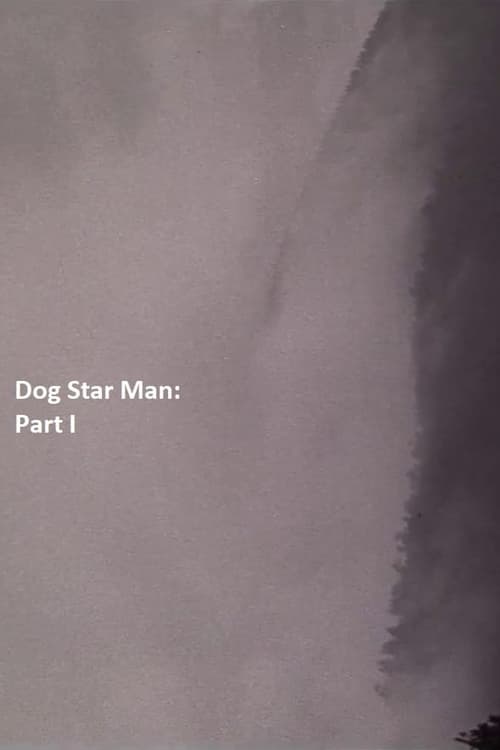
Dog Star Man: Part I is a landmark of experimental cinema that prioritizes visual rhythm over social representation. It functions as a study in formalist aesthetics and the phenomenology of perception rather than a narrative about people. The film's refusal to engage with traditional character arcs or social hierarchies places it outside the scope of standard diversity metrics. It does not utilize identity-based storytelling or multi-layered frameworks. While the work is profoundly subversive in its rejection of mainstream narrative structures, it remains a pure exploration of sight and movement.
Category Breakdown
The film is a non-narrative, experimental work using rhythmic montage and abstract imagery. Since there is no dialogue or interpersonal interaction, there is no basis for evaluating LGBTQ+ representation.
The visual language focuses on biological processes and elemental struggles. A bearded man appears, but he is a fragmented element of a visual poem rather than a character in a social hierarchy.
The formalist aesthetic prioritizes light and texture over social identity. Lacking a cast or social setting, the film does not engage with racial or ethnic diversity.
The film bypasses Western storytelling clichés through total abstraction and a pre-linguistic experience of sight. However, it lacks explicit anti-institutional sentiment or moral relativism.
The focus remains on the mechanics of vision and biological connections. No characters are portrayed with physical or neurodivergent identities.
Present on Screen
Limited or Absent
Official Synopsis
From a murky landscape, a wooded mountain emerges. We watch the sun. We see a bearded man climbing up the mountain through the snow. He carries an ax, and he's accompanied by a dog. His labors continue. There is no soundtrack. Images rush past - water, trees, and surfaces too close up to distinguish. He struggles. A fire burns. Nature, in long shots and magnified, is formidable and silent. It's tough going; he carries on. In a capillary, blood flows.
1972
2010
1960
1983
1964
1974
1995
1965
No reviews yet. Be the first to share your thoughts on this movie!
Use the rating form above to leave a star rating and optional review.