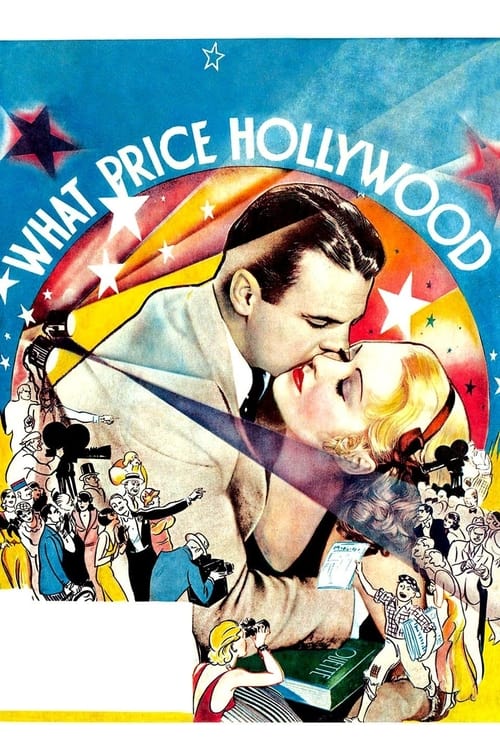
What Price Hollywood?
1932
No user ratings available yet
Diversity score: 3.0 out of 10

1931
PassedDirector
George Cukor
Runtime
83 minutes
Average Rating
No ratings yetSynopsis
Nancy Courtney, a once wealthy socialite, has had to struggle to maintain a facade of prosperity ever since her father's death. Although she loves writer DeWitt Taylor, who is indifferent to amassing a fortune, her mother urges her to marry stockbroker Norman Cravath instead. Nancy acquiesces to her mother's wishes but, despite the fact her new husband does everything he can to please her, she is miserable in her marriage.
Overall Score
Limited
Category Breakdown
LGBTQ+ Representation
The film follows a traditional romantic trajectory. There is no evidence of LGBTQ+ characters or non-heteronormative identities within the narrative.
Gender Representation
The story centers on Nancy Courtney’s emotional dissatisfaction within a stable marriage. It challenges the trope that marital security equates to female fulfillment.
Racial & Ethnic Diversity
The narrative appears focused on Western socialite structures. It reflects the homogeneous social hierarchies typical of 1931 social dramas.
Religious & Cultural Diversity
The film explores the friction between individual desire and institutional stability. It critiques the performative nature of class-based prosperity and familial pressure.
Disability Representation
There is no evidence of characters with visible or invisible disabilities in this work.
Strengths
Areas for Improvement
AI Analysis
Tarnished Lady functions primarily as a character study of gendered discontent. While it offers a sophisticated deconstruction of traditional marital satisfaction, the narrative remains largely confined to the social hierarchies of its era. The film's strength lies in its focus on female interiority and the struggle for autonomy against societal expectations. However, this complexity is not matched by broader intersectional representation. Ultimately, the work lacks diversity in race, identity, and disability, resulting in a narrow, though psychologically nuanced, social portrait.
1932
1950
1932

1932
1925
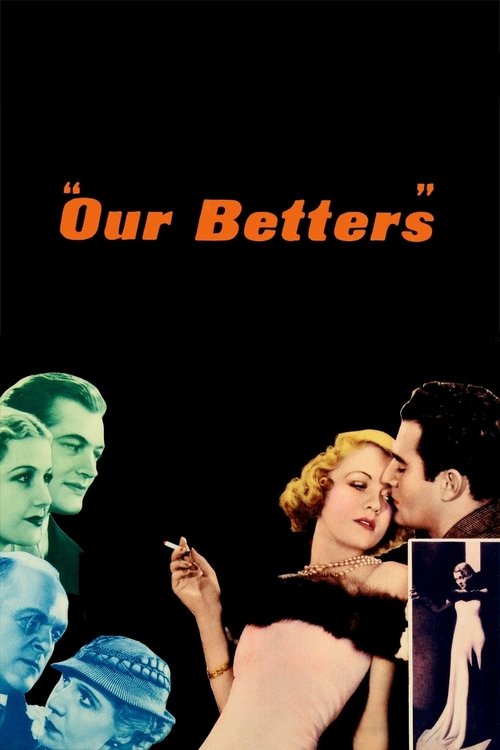
1933
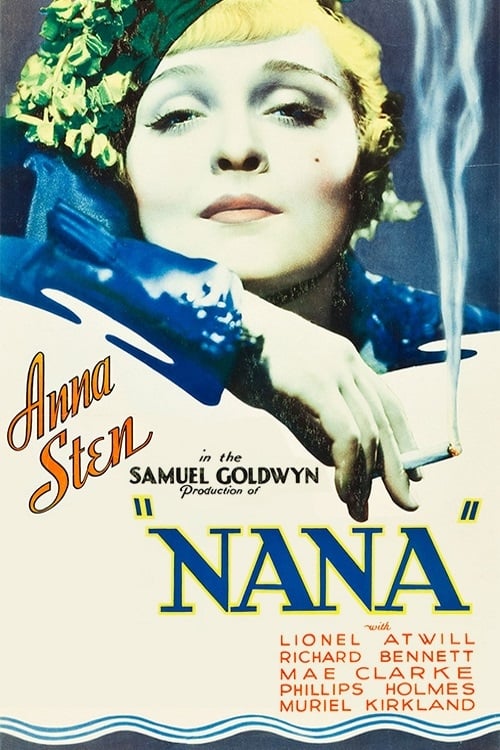
1934
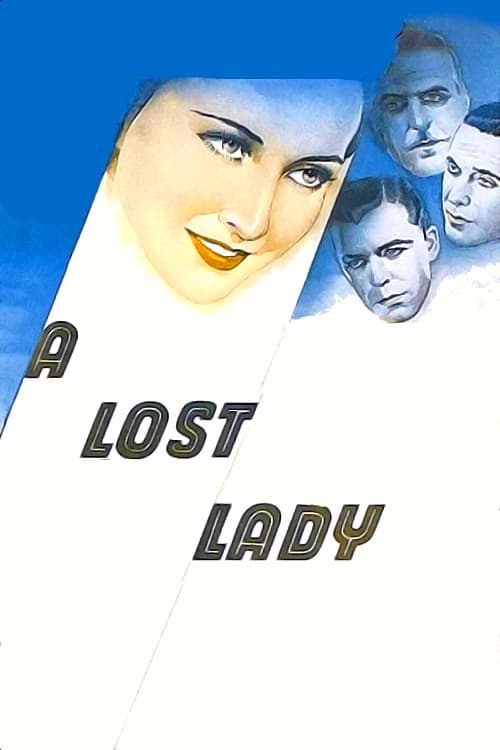
1934
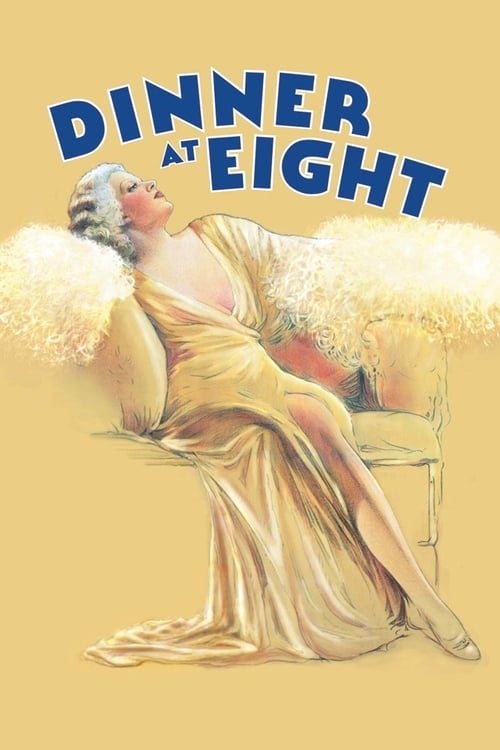
1933
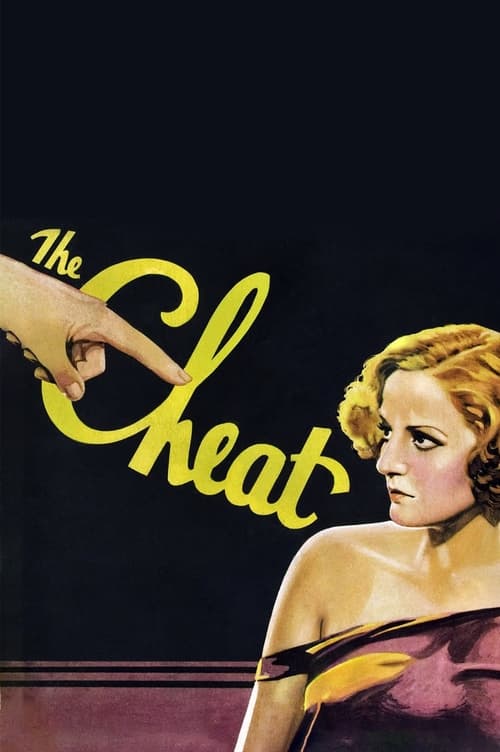
1931
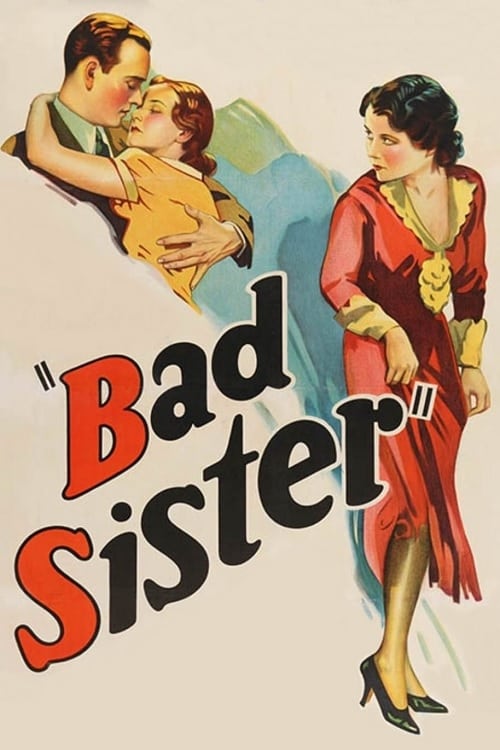
1931
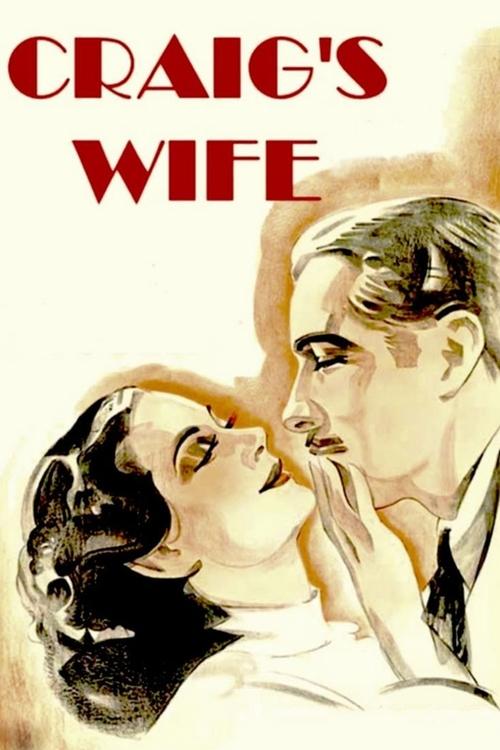
1936
No reviews yet. Be the first to share your thoughts on this movie!
Use the rating form above to leave a star rating and optional review.