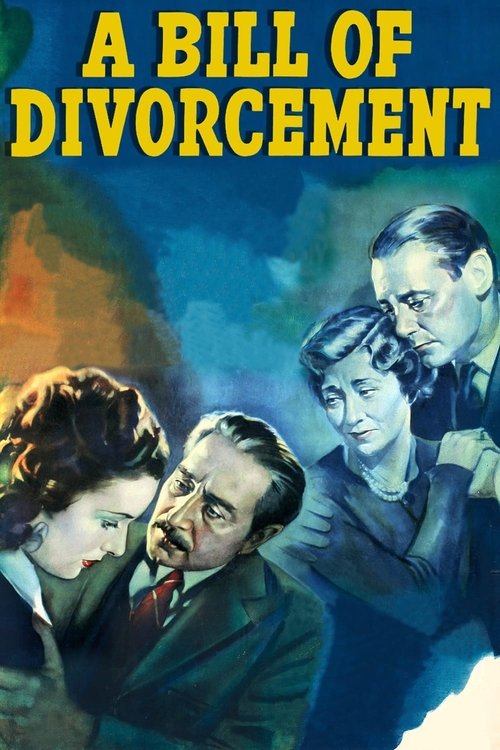
A Bill of Divorcement
1940
No user ratings available yet
Representation score: 2.8 out of 10

Representation Score
Good
1932
NRDirector
George Cukor
Runtime
70 minutes
Average Rating
No ratings yetNew Showbiz Analysis
George Cukor’s direction offers a sophisticated examination of female autonomy, challenging early 20th-century domestic expectations. The film excels in its narrative structure, prioritizing individual psychological needs over institutional stability. However, the work is limited by the social constraints of its time. The absence of racial and LGBTQ+ diversity leads to a homogeneous portrayal of upper-class London society. Ultimately, the film is a progressive Pre-Code drama that challenges social norms, even though it remains narrow in its demographic representation.
Category Breakdown
The film focuses solely on heterosexual marriages and does not include any LGBTQ+ characters or same-sex relationships.
The story revolves around a woman's pursuit of emotional independence and her refusal to accept a superficial marriage. She plays a significant role in driving the narrative and passes the Bechdel test through meaningful conversations with other women.
The cast is primarily white, reflecting the upper-class London setting of the early 1930s. There are no non-Anglo-Saxon characters or instances of color-blind casting.
The narrative criticizes traditional Western institutions by emphasizing emotional truth over the rigid sanctity of marriage. Divorce is portrayed as a means of reclaiming oneself rather than a moral failing.
A character's return from an asylum serves as a catalyst for reintegration. However, the film does not delve deeply into neurodivergence or disability as a driver of ability to act.
Present on Screen
Limited or Absent
Official Synopsis
A World War I veteran returns home after fifteen years in an asylum and finds that everything has changed — his daughter is grown and about to marry.
1940
1939
1931
1939
1931

1948
1951

1952
No reviews yet. Be the first to share your thoughts on this movie!
Use the rating form above to leave a star rating and optional review.