
The Blue Angel
1930
No user ratings available yet
Representation score: 4.0 out of 10
Representation Score
Limited
1934
Director
Dorothy Arzner
Runtime
90 minutes
Average Rating
No ratings yetNew Showbiz Analysis
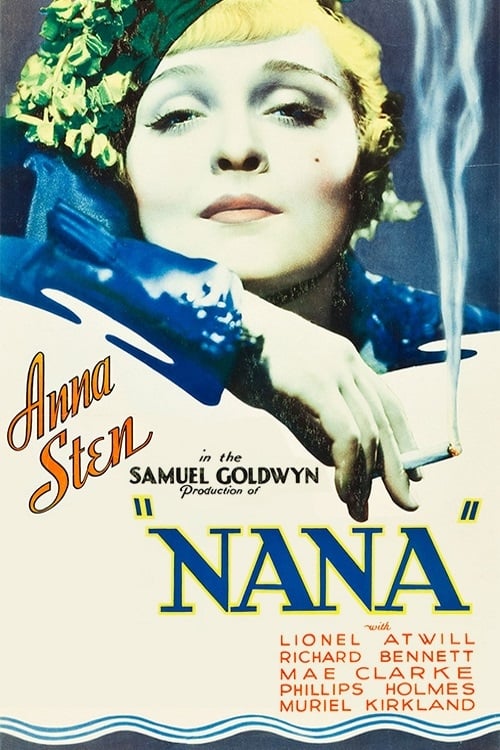
Dorothy Arzner’s direction offers a progressive framework for 1934 by centering a female perspective. The film challenges traditional melodrama by giving the protagonist ability to act and intellectual presence in a male-dominated world. However, it is constrained by the historical limitations of the Hollywood studio system. It lacks racial diversity and LGBTQ+ representation, focusing instead on conventional romantic and social hierarchies. Ultimately, the film's strength lies in its gender dynamics, which disrupt the era's typical narrative structure despite a lack of broader demographic diversity.
Category Breakdown
The film does not include characters with non-binary genders or same-sex relationships. It centers on heterosexual relationships and the consequences of infidelity.
Nana is shown to play a significant role in driving the story and determination, navigating male-dominated hierarchies through her own merit. Arzner’s direction highlights the female experience, allowing the protagonist to drive the plot.
The cast is primarily white, reflecting the era's lack of diverse casting. Despite the Parisian setting, the film does not feature a diverse range of ethnicities.
The drama focuses on individual morality and social status without critiquing broader societal issues. It leans towards moral relativism but remains grounded in contemporary class structures.
There is no evidence of characters with visible or invisible disabilities in the narrative.
Present on Screen
Limited or Absent
Official Synopsis
Young Parisian Nana wards off of a boozed-up military officer at a local restaurant, and fellow diner Gaston Greiner is so impressed with her pluck that he decides to make her a performer at his musical theater. Soon, Nana is a star, and the girlfriend of Greiner and two other men. But when he learns that she's been getting around, Greiner fires her. As she tries to reclaim her singing job while dodging yet another suitor, her treachery might get the better of her.
1930
1929
1932
1933
1934
1937
1920

1920
No reviews yet. Be the first to share your thoughts on this movie!
Use the rating form above to leave a star rating and optional review.