The Girl from 10th Avenue
1935
No user ratings available yet
Representation score: 1.7 out of 10
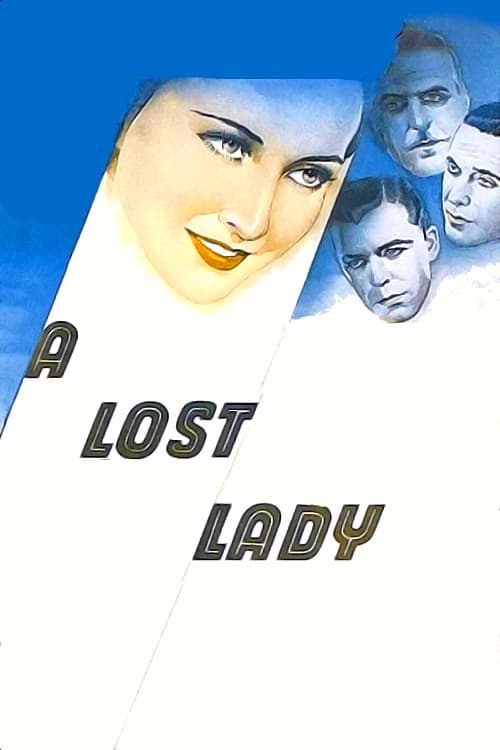
Representation Score
Minimal
1934
NRDirector
Alfred E. Green
Runtime
61 minutes
Average Rating
No ratings yetNew Showbiz Analysis
A Lost Lady operates as a conventional period drama that mirrors the social structures of its time. It centers on a woman's journey to find ability to act within a rigid moral framework, yet it remains anchored in traditional values. The film lacks diversity, particularly in racial and LGBTQ+ representation. While the female protagonist drives her own emotional journey, the story upholds the era's focus on social standing and conformity. Overall, the production reflects the social norms of the 1930s without challenging them, limiting its scope of representation.
Category Breakdown
The film does not include any LGBTQ+ characters. Romantic storylines follow traditional patterns without questioning established social norms.
The story focuses on a female protagonist dealing with social judgment and romantic interests. She takes a leading role in her own life, but the narrative stays within the bounds of the era's expectations.
The cast appears uniform, typical of 1930s Hollywood standards. There is no indication of non-white or diverse ethnic representation.
The narrative follows early 20th-century social and moral norms. It emphasizes social conformity and the impact of community judgment without critiquing broader societal issues.
There is no evidence of characters with visible or invisible disabilities. Such characters are not used as plot devices.
Present on Screen
Limited or Absent
Official Synopsis
A bitter woman who thinks she'll never love again marries, only to fall for a brash young man.
1935
1952
1932
1934
1932

1927
1934
1938
No reviews yet. Be the first to share your thoughts on this movie!
Use the rating form above to leave a star rating and optional review.