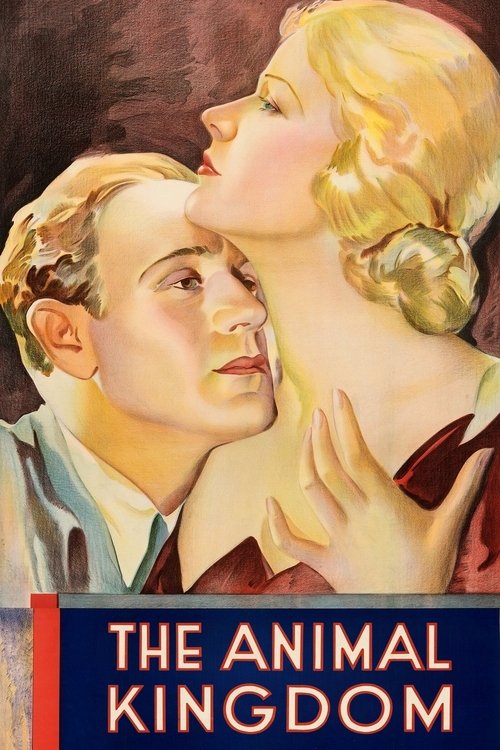
The Animal Kingdom
1932
No user ratings available yet
Representation score: 1.8 out of 10
Representation Score
Limited
1933
NRDirector
George Cukor
Runtime
83 minutes
Average Rating
No ratings yetNew Showbiz Analysis
George Cukor’s film offers a sophisticated look at female empowerment within a restrictive patriarchal society. By presenting marriage as a practical social tool, the protagonist challenges traditional views of virtuous womanhood. However, the film is constrained by its historical context. It lacks racial and LGBTQ+ diversity, staying within the demographic norms of the 1930s British aristocracy. The narrative explores gendered power dynamics and social maneuvering within class structures, yet it falls short in providing broader characters who reflect more than one aspect of diversity.
Category Breakdown
The film centers on traditional romantic relationships and marriages. It doesn't include diverse gender identities or stories that question the assumption that everyone is straight or cisgender.
Pearl Grayston shows strength by navigating a marriage focused on social status. The film passes the Bechdel test by highlighting conversations among women about social obligations.
The cast is mostly white and uniform, reflecting the historical context of a 1933 British period piece. There are no non-Anglo-Saxon characters in the main social circles.
The story criticizes the rigid class structures and social norms of the British aristocracy. It portrays the upper class as a place where relationships are based on social transactions rather than genuine emotions.
There are no visible or invisible disabilities shown in the film, nor are they used as part of the plot.
Present on Screen
Limited or Absent
Official Synopsis
Soon after being wed, American heiress Lady Pearl Grayston realizes her husband has married her for her money and is keeping a mistress. The two maintain a loveless marriage, a trade-off Pearl accepts in order to gain admittance to her husband's aristocratic social circle. While Pearl pursues her own affair with gigolo Pepi D'Costa, her visiting sister, Bessie, arrives and is appalled when Pearl's arrangement is revealed.
1932
1933
1930
1938
1932
1936

1931

1938
No reviews yet. Be the first to share your thoughts on this movie!
Use the rating form above to leave a star rating and optional review.