Dynamite
1929
No user ratings available yet
Representation score: 3.6 out of 10
Representation Score
Minimal
1931
NRDirector
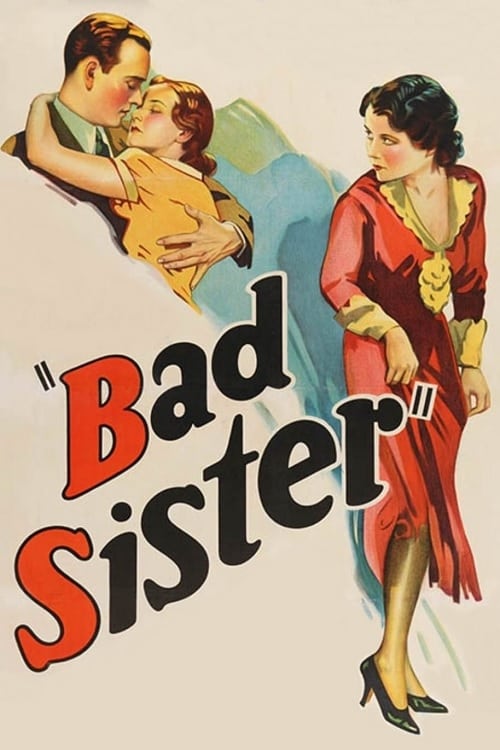
Hobart Henley
Runtime
68 minutes
Average Rating
No ratings yetNew Showbiz Analysis
The Bad Sister is a conventional Pre-Code drama that reinforces the social hierarchies and straight-centered patterns typical of early 1930s cinema. The narrative relies on established archetypes, such as the moral contrast between two sisters, to drive its emotional stakes. While the film explores social transgressions, it ultimately upholds traditional institutions like marriage and class stability. The lack of diverse casting or non-traditional identities keeps the story firmly within the era's standard social framework. Ultimately, the film functions as a period piece that prioritizes individual moral choices and romantic entanglements over any meaningful disruption of racial or gendered norms.
Category Breakdown
The film does not include any characters with LGBTQ+ identities or same-sex relationships. The plot revolves around a traditional heterosexual love triangle.
The story uses the 'fallen woman' versus 'virtuous sister' cliché. Although Marianne plays a significant role, female desirability remains central to male interest.
The production follows the era's standard of a homogeneous, white-centric cast. There is no indication of diverse casting or challenging norms.
The narrative operates within a framework of social morality and class aspiration. It reinforces conventional social standing through marriage and wealth.
There is no information available regarding the depiction of physical or neurodivergent disabilities in this film.
Present on Screen
Limited or Absent
Official Synopsis
Marianne falls in love with con man Valentine who uses their relation to get her father's endorsement on a money-raising scheme. He runs off with the money and Marianne, later dumping her. Her sister Laura loves Dr. Lindley although she knows he loves Marianne. Marianne returns and marries a wealthy young man, and Lindley turns his love toward Laura.
1929
1934
1931

1930
1931
1935

1932
1927
No reviews yet. Be the first to share your thoughts on this movie!
Use the rating form above to leave a star rating and optional review.