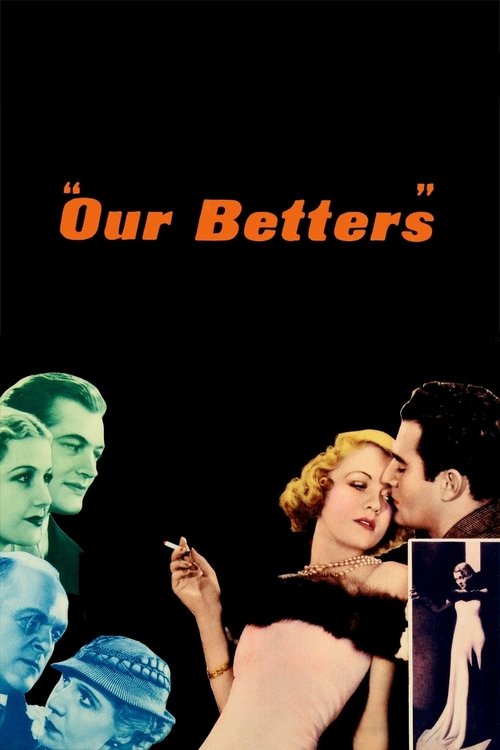
Our Betters
1933
No user ratings available yet
Representation score: 2.6 out of 10
Representation Score
Limited
1933
ApprovedDirector
George Cukor
Runtime
111 minutes
Average Rating
No ratings yetNew Showbiz Analysis
Dinner at Eight is a sophisticated character study focusing on the social decay of the affluent. Its strength lies in its nuanced portrayal of women, who navigate complex psychological landscapes and patriarchal structures with significant influence. The film avoids moralizing the infidelity and vanity of its protagonists, opting instead for a cynical, realistic view of high-society values. However, the film is limited by its lack of racial and LGBTQ+ representation. The narrative remains confined to a homogeneous, wealthy demographic, offering no perspectives on multiple aspects of identity. This narrow focus keeps the social critique localized to a very specific, privileged class.
Category Breakdown
The film focuses solely on heterosexual relationships and social hierarchies. There are no queer subtexts or diverse gender identities represented in the characters' stories.
Female characters have significant emotional and intellectual influence, going beyond being just accessories to their husbands. The film passes the Bechdel test through conversations about personal struggles.
The cast is almost entirely uniform, reflecting the social constraints of 1933 high society. The narrative lacks diversity in race or ethnicity.
The story critiques the superficiality of capitalism and the spiritual emptiness of wealth. It portrays the breakdown of traditional family units through a realistic lens.
There are no visible or invisible disabilities shown in the main narrative or among the supporting cast.
Present on Screen
Limited or Absent
Official Synopsis
An ambitious New York socialite plans an extravagant dinner party as her businessman husband, Oliver, contends with financial woes, causing a lot of tension between the couple. Meanwhile, their high-society friends and associates, including the gruff Dan Packard and his sultry spouse, Kitty, contend with their own entanglements, leading to revelations at the much-anticipated dinner.
1933
1939
1947

1938
1925
1936
1949
1949
No reviews yet. Be the first to share your thoughts on this movie!
Use the rating form above to leave a star rating and optional review.