The Common Law
1931
No user ratings available yet
Representation score: 1.7 out of 10
Representation Score
Limited
1932
PassedDirector
George Cukor
Runtime
68 minutes
Average Rating
No ratings yetNew Showbiz Analysis
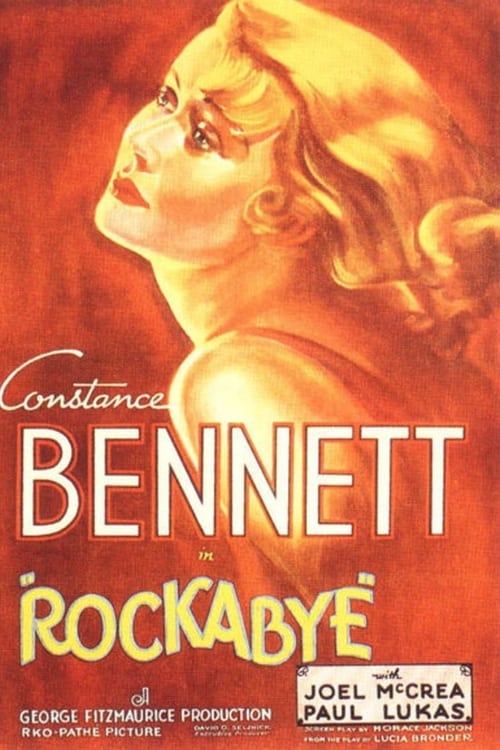
Rockabye is a character-driven drama that shines in its portrayal of gender dynamics. By focusing on a woman's struggle for independence as both an artist and a mother, the film challenges the passive female stereotypes typical of the era. Though the film lacks broad representation of racial or LGBTQ+ identities, its creative foundation is noteworthy. The involvement of director George Cukor and female writers Jane Murfin and Lucia Breton highlights a narrative emphasis on psychological depth. Ultimately, the film operates as a nuanced exploration of autonomy, while adhering to the social and demographic norms of early 1930s studio productions.
Category Breakdown
The story centers on heterosexual relationships and traditional dating. There are no hints of LGBTQ themes or non-binary gender identities in the plot.
Judy Carroll is portrayed as a strong female lead with professional independence. The film avoids clichéd damsel-in-distress scenarios by delving into her complex experiences as a working mother.
The cast and setting mirror the homogeneous demographics of 1930s Hollywood. Although Tony de Sola hints at a non-Anglo heritage, the story primarily focuses on white societal hierarchies.
The film explores moral complexities through Judy's troubled past and legal decisions. However, it stays within the confines of Western Broadway industry norms.
There is no indication of physical or neurodivergent disabilities being portrayed in this film.
Present on Screen
Limited or Absent
Official Synopsis
A Broadway actress with a problematic past falls hard for the author of her new play.
1931

1930
1932
1937

1934
1931
1935
1930
No reviews yet. Be the first to share your thoughts on this movie!
Use the rating form above to leave a star rating and optional review.