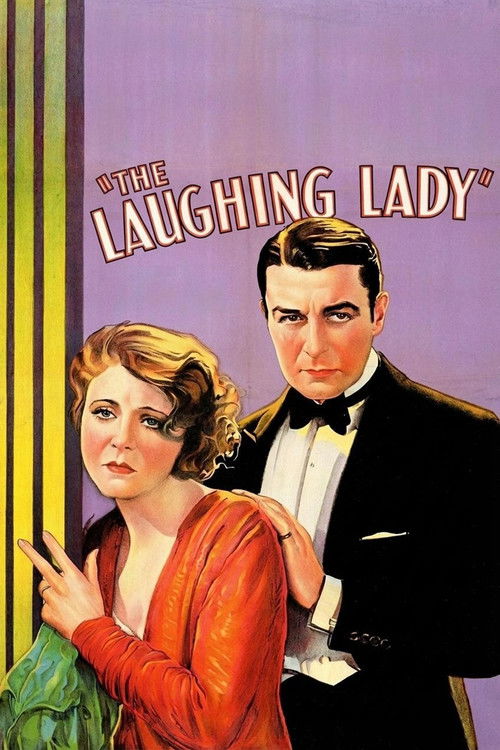
The Laughing Lady
1929
No user ratings available yet
Representation score: 1.9 out of 10
Representation Score
Limited
1925
Director
Frank Borzage
Runtime
96 minutes
Average Rating
No ratings yetNew Showbiz Analysis
Frank Borzage’s drama centers on class stratification and the personal costs of challenging aristocratic norms. Despite lacking broad diversity, it offers a nuanced view of women's ability to drive the story compared to many period films. The film is deeply rooted in the demographic homogeneity of early 20th-century Western cinema. It emphasizes emotional resonance and romantic melodrama over a diverse or systemic social critique. Ultimately, the film excels in its character-driven exploration of social hierarchies, though it falls short in representing a wide range of identities and experiences.
Category Breakdown
The film does not include any LGBTQ+ characters or non-cisgender identities. The romantic storyline focuses solely on a traditional heterosexual relationship.
Lady Diana is portrayed as having significant autonomy, making independent decisions that challenge her family's influence. She navigates the socioeconomic impacts of her romantic choices.
The cast is uniform, reflecting the demographic portrayals typical of 1920s Western dramas. There is no indication of non-white actors or subversion of racial norms.
The story critiques the strict British class system by depicting aristocratic institutions as barriers to genuine human connections. However, it remains a romantic melodrama rather than a deep social critique.
The film does not feature any characters with visible or invisible disabilities. Characters with disabilities are not used as plot devices.
Present on Screen
Limited or Absent
Official Synopsis
A young woman marries the wastrel son of a British aristocrat. Her husband, who has been disinherited by his father, loses what little money he has left gambling in casinos and then dies, leaving her penniless and with an infant son. When her former father-in-law tries to get custody of the child, she leaves him with a couple she trusts, but when she later goes to reclaim her son, she can't find the people she left him with.
1929
1920
1925

1923
1925
1928

1930

1927
No reviews yet. Be the first to share your thoughts on this movie!
Use the rating form above to leave a star rating and optional review.