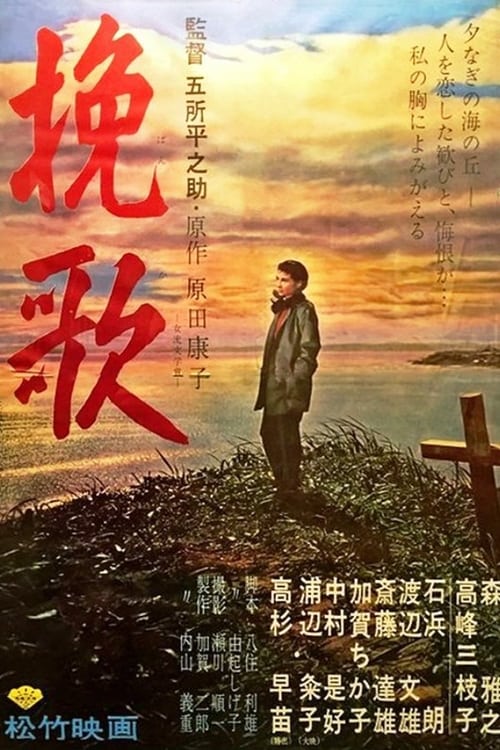
Elegy of the North
1957
No user ratings available yet
Representation score: 8.1 out of 10

Representation Score
Fair
1953
Director
Shirō Toyoda
Runtime
104 minutes
Average Rating
No ratings yetNew Showbiz Analysis
Shirō Toyoda’s drama stands out for its sophisticated subversion of mid-century cinematic clichés. By centering the lived experiences of women navigating post-war social restructuring, the film moves beyond simple geopolitical narratives to explore internal lives and autonomy. The work excels in its post-colonial critique, framing the American occupation as a disruptive force rather than a stabilizing one. This perspective challenges the 'Western-as-norm' cliché common in films of this era. While the film lacks LGBTQ+ representation and disability-focused narratives, its strong emphasis on women's ability to drive the story and anti-imperialist themes provides a nuanced, realistic portrayal of a society in flux.
Category Breakdown
The film does not include explicit LGBTQ+ characters or non-straight relationships. Instead, it focuses on the socioeconomic pressures faced by female characters.
Women play a significant role in driving the story as they navigate survival amid economic turmoil. The film explores female autonomy and portrays patriarchal demands as systemic burdens.
The cast is ethnically uniform, yet the film engages in a profound post-colonial dialogue. It depicts the tension between the local population and American occupying forces.
The film critiques Western dominance and the disruptive nature of foreign occupation. It portrays the American presence as a catalyst for social and moral instability.
There are no prominent depictions of visible or invisible disabilities that serve as central narrative drivers.
Present on Screen
Limited or Absent
Official Synopsis
A young woman, who must support her father as a middle-aged man's mistress, finds herself falling in love with a student closer to her age.
1957

1951

1973
1955
1962
1954
1956
1955
No reviews yet. Be the first to share your thoughts on this movie!
Use the rating form above to leave a star rating and optional review.