
Street of Shame
1956
No user ratings available yet
Representation score: 8.0 out of 10
Representation Score
Fair
1948
Director
Kenji Mizoguchi
Runtime
74 minutes
Average Rating
No ratings yetNew Showbiz Analysis
Kenji Mizoguchi’s work provides a sophisticated critique of post-war social structures by centering underrepresented voices. The film excels at portraying women as complex agents navigating a predatory landscape rather than mere domestic ornaments. The narrative achieves depth by weaving ethnic identity into the struggle for survival. By including a Korean expatriate character, the film moves beyond simple gender dynamics to address post-colonial complexities. While the film lacks explicit LGBTQ or non-cisgender representation, its strength lies in its refusal to use traditional moral binaries. Instead, it explores how systemic forces like class and gender limit individual autonomy.
Category Breakdown
The film focuses on female intimacy and shared struggles within a specific socioeconomic group but does not include explicit LGBTQ or non-cisgender identities.
Women are the main drivers of the plot, taking active roles in shaping the story. The film challenges traditional gender roles by showing the masculine social order as predatory and ineffective.
The inclusion of Natsuko, a Korean expatriate, adds a post-colonial dimension to the story. Her presence highlights overlapping layers of ethnic and class-based exclusion, disrupting the homogeneity of the cast.
The narrative critiques social institutions by depicting the pleasure quarters as a result of systemic poverty. It portrays the protagonists' choices as survivalist responses to an oppressive environment.
There is no significant evidence regarding the portrayal of physical or neurodivergent disabilities in this work.
Present on Screen
Limited or Absent
Official Synopsis
In early post-war Osaka, three women—war widow Fusako, her Korean expat sister Natsuko, and Kumiko, Fusako's sister-in-law—descend into prostitution, all for their individual reasons.
1956
1952
1948
1952
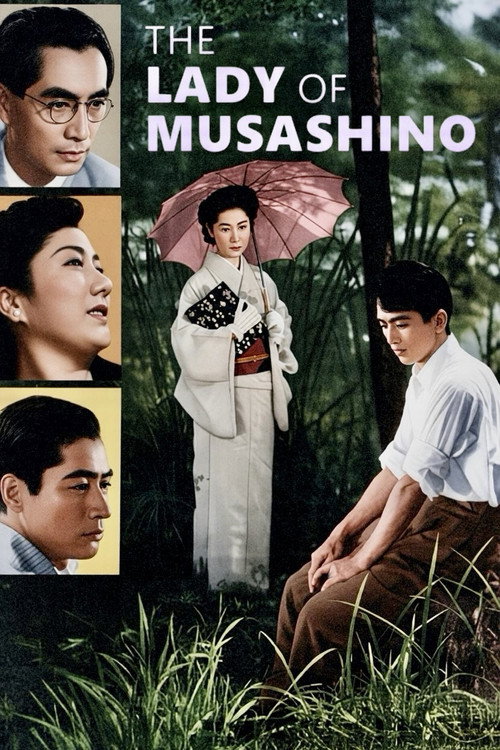
1951
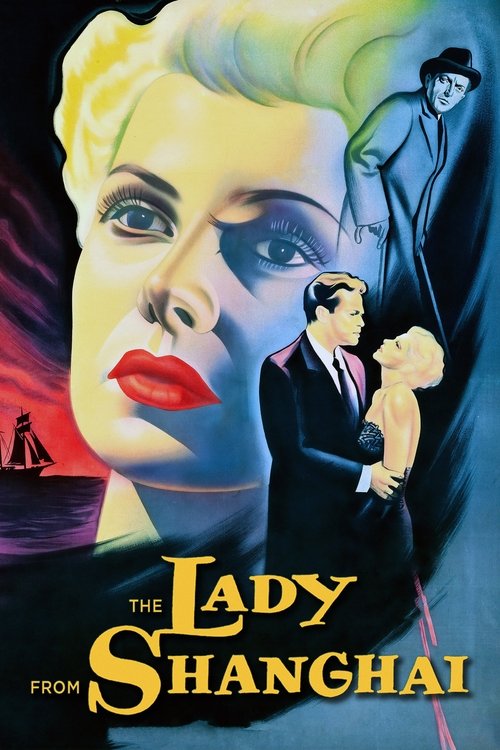
1947
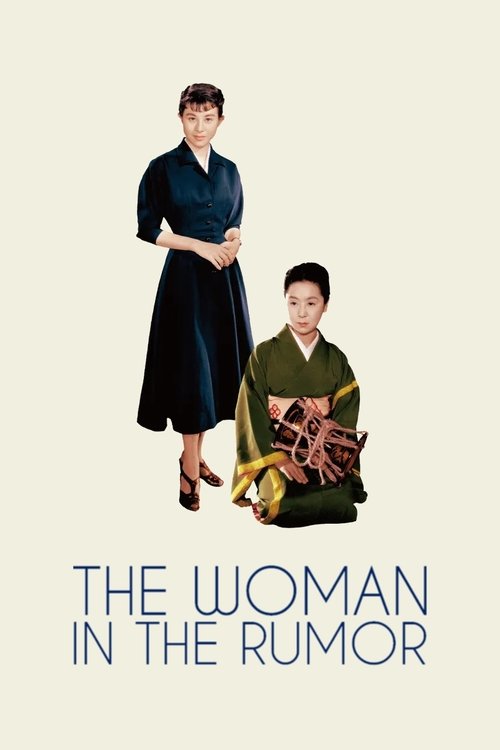
1954

1936
No reviews yet. Be the first to share your thoughts on this movie!
Use the rating form above to leave a star rating and optional review.