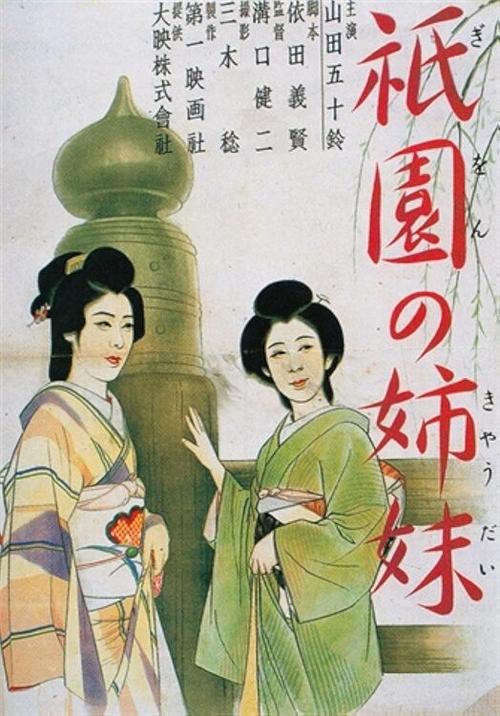
Sisters of the Gion
1936
No user ratings available yet
Representation score: 4.4 out of 10
Representation Score
Limited
1947
Director
Kenji Mizoguchi
Runtime
96 minutes
Average Rating
No ratings yetNew Showbiz Analysis
Kenji Mizoguchi’s direction transforms this drama into a complex exploration of personal desires versus societal constraints. The film’s standout feature is its challenge to the submissive female stereotype, giving Sumako Matsui significant psychological depth and professional autonomy. While the film excels in depicting gender dynamics, it lacks representation for LGBTQ+ identities and individuals with disabilities. The ethnic homogeneity is reflective of its historical context, focusing on the cultural impact of Westernization in Japan. Ultimately, the work serves as a crucial text for understanding the evolution of female empowerment within a patriarchal framework.
Category Breakdown
The story centers on the romantic and professional tensions between the protagonist and the director. There are no indications of queer subtext or non-straight identities.
Sumako Matsui is a professionally driven woman who challenges traditional gender roles. The film highlights her active role within a male-dominated industry rather than portraying her as a passive figure.
The cast is ethnically uniform, reflecting its setting in early 20th-century Japan. It provides a culturally specific perspective on Japanese identity during a time of rapid Western influence.
The story critiques the commodification of art and the pressures of commercialism. It examines the tension between traditional values and the influx of Western theatrical styles.
There is no evidence of characters with visible or invisible disabilities being portrayed within the narrative.
Present on Screen
Limited or Absent
Official Synopsis
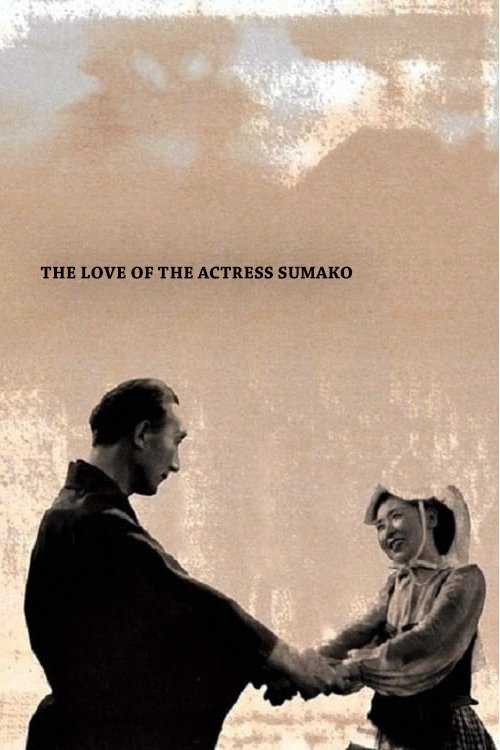
Stage director Shimamura, who is bringing western theatre to Japan, falls in love with outspoken actress Sumako Matsui, and leaves his family to be with her, while trying to keep his Art Theatre solvent.
1936

1939
1946
1952

1936
1932
1950
1951
No reviews yet. Be the first to share your thoughts on this movie!
Use the rating form above to leave a star rating and optional review.