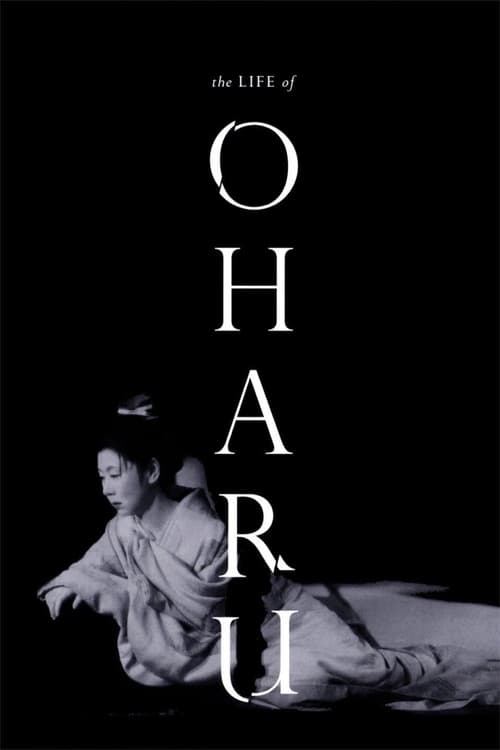
The Life of Oharu
1952
No user ratings available yet
Representation score: 4.4 out of 10
Representation Score
Fair
1951
Director
Kenji Mizoguchi
Runtime
88 minutes
Average Rating
No ratings yetNew Showbiz Analysis
Mizoguchi’s work serves as a profound critique of systemic structures, using the Edo period to explore gender, class, and individual ability to act. The film transcends period drama to become a study of institutionalized oppression. While the historical homogeneity and lack of LGBTQ+ or disability representation moderate the score, the film provides significant progressive value. It successfully deconstructs patriarchal and class-based oppression and refuses to romanticize the past, highlighting systemic vulnerabilities.
Category Breakdown
The film adheres to the social constraints of its historical setting and does not include explicit non-straight relationships or same-sex narratives.
The film challenges traditional gender roles by depicting patriarchal structures as inherently exploitative. It centers on women's struggles, disrupting expectations of female passivity.
The cast is culturally homogeneous, reflecting its Japanese period setting. It offers an authentic, localized exploration of social stratification without a Western-centric perspective.
The film critiques traditional institutions, portraying feudal structures as corrupt mechanisms. It frames moral compromises as inevitable responses to systemic poverty.
There are no prominent depictions of physical or neurodivergent disabilities. Characters with disabilities are not used as central plot devices.
Present on Screen
Limited or Absent
Official Synopsis
In post-war Japan, Michiko, a disillusioned young woman trapped in a loveless marriage, confides in her younger cousin, Tsutomo, and the two become close, but decide not to consummate their affair. He instead becomes involved with the flirtatious Tomiko, who is also conducting an affair with Michiko's husband. When Michiko finds that her husband has abandoned her, she decides to take her fate into her own hands.
1952
1955
1948
1952
1951

1950
1954
1951
No reviews yet. Be the first to share your thoughts on this movie!
Use the rating form above to leave a star rating and optional review.