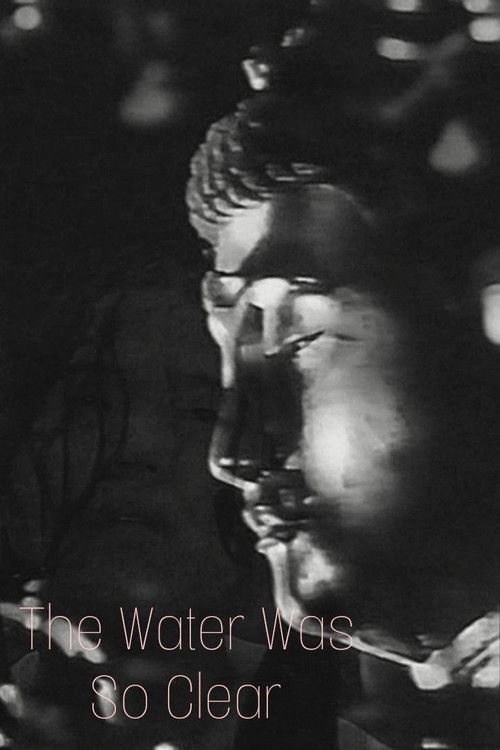
The Water Was So Clear
1973
No user ratings available yet
Representation score: 5.7 out of 10

Representation Score
Fair
1962
Director
Yūzō Kawashima
Runtime
98 minutes
Average Rating
No ratings yetNew Showbiz Analysis
The film serves as a somber exploration of human frailty and institutional corruption. It successfully exposes the dark underside of traditional religious and patriarchal structures, highlighting how individuals are often trapped by their circumstances. However, the narrative remains rooted in a specific, homogeneous cultural context. It lacks the proactive ability to act or diverse identity markers necessary to engage with broader multi-layered themes, focusing instead on localized moral ambiguity.
Category Breakdown
The film emphasizes carnal and transactional sexual politics rather than exploring queer identities. It does not feature explicit depictions of non-straight relationships or narratives involving LGBTQ+ characters.
Satoko’s role as a mistress highlights a lack of female empowerment. She is portrayed as a commodity passed between men within a patriarchal system.
The production features a culturally homogeneous cast centered on Japanese social life. It does not engage with interracial dynamics or diverse ethnic representation.
The narrative challenges the sanctity of religion by depicting the temple as a site of moral decay. It prioritizes human frailty over spiritual enlightenment.
There is no discernible evidence regarding the representation of physical or neurodivergent disabilities in this work.
Present on Screen
Limited or Absent
Official Synopsis
Satoko is a mistress by trade or fate: when her master, the silkscreen artist of the Kohoan Temple in Kyoto, dies, she is given to the temple's lascivious head priest Kikuchi. She is drawn to a melancholy young acolyte, Jinen, who has observed the profligacy of his cruel master and Satoko's utter dependence on the man. Jinen is both fascinated and disturbed by Satoko's interest in him; he is similarly caught between loathing of Kikuchi and of the dark circumstances of his birth and his own moral weakness. The story unfolds in a dreamlike manner—a flashback inspired by a now-infamous image on a silkscreen in the souvenir shop at the so-called Temple of the Wild Geese.
1973
1952
1946
1957
1964
1974
1970

1981
No reviews yet. Be the first to share your thoughts on this movie!
Use the rating form above to leave a star rating and optional review.