
The Munekata Sisters
1950
No user ratings available yet
Representation score: 5.3 out of 10
Representation Score
Fair
1962
Director
Masahiro Shinoda
Runtime
66 minutes
Average Rating
No ratings yetNew Showbiz Analysis
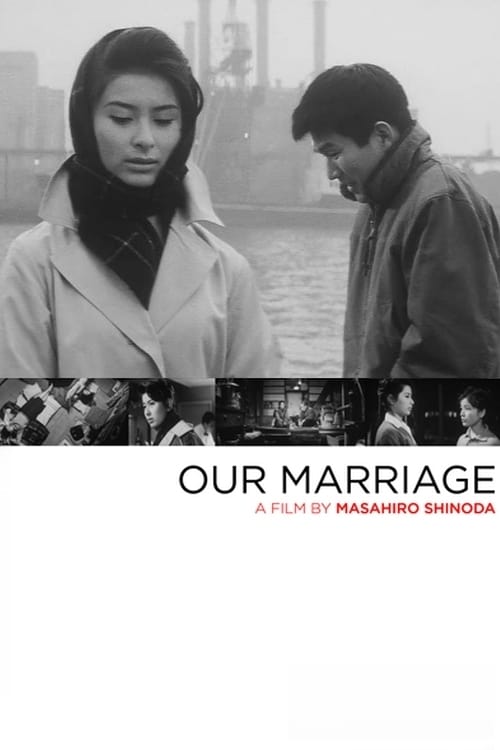
Masahiro Shinoda’s *Our Marriage* is a formalist study of psychological fragmentation rather than a traditional domestic melodrama. It succeeds in deconstructing the sanctity of the marital bond by replacing social stability with interpersonal conflict. The film's strength lies in its sophisticated subversion of gender roles and its refusal to provide moral certainty. By treating the domestic sphere as a site of friction, it challenges post-war social structures. However, the work lacks demographic breadth. The absence of LGBTQ+ and disability representation results in a lower overall score, despite the film's intellectual depth regarding gender and cultural critique.
Category Breakdown
The film does not include any LGBTQ+ characters or narratives. It focuses solely on the psychological dynamics within a heterosexual marriage.
Shinoda subverts traditional gender roles by presenting a volatile power struggle between husband and wife. Neither character holds a position of moral or social superiority, challenging mid-century gendered expectations.
The cast is culturally homogeneous, reflecting the film's Japanese New Wave origins. It maintains high cultural authenticity within its specific historical and geographic context.
The narrative critiques established social institutions by focusing on the breakdown of the traditional family unit. It validates moral relativism and the subjectivity of truth within relationships.
There are no depictions of physical or neurodivergent disabilities within the primary narrative arc.
Present on Screen
Limited or Absent
Official Synopsis
Poverty-stricken sisters reach the age when they start attracting marriage proposals. They must decide between marrying for love or money, but their ambitions clash when they both fall for the same man.
1950
1960
1937
1951
1961
1950
1951

1953
No reviews yet. Be the first to share your thoughts on this movie!
Use the rating form above to leave a star rating and optional review.