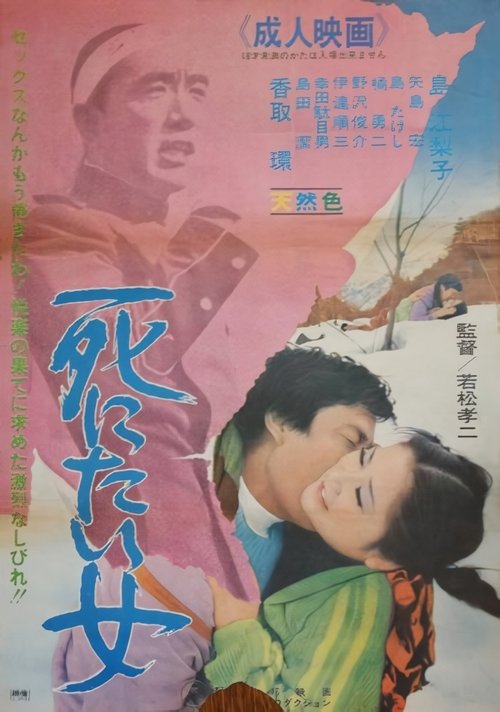
The Woman Who Wanted to Die
1971
No user ratings available yet
Representation score: 5.9 out of 10
Representation Score
Fair
2001
Director
Shinji Sōmai
Runtime
116 minutes
Average Rating
No ratings yetNew Showbiz Analysis
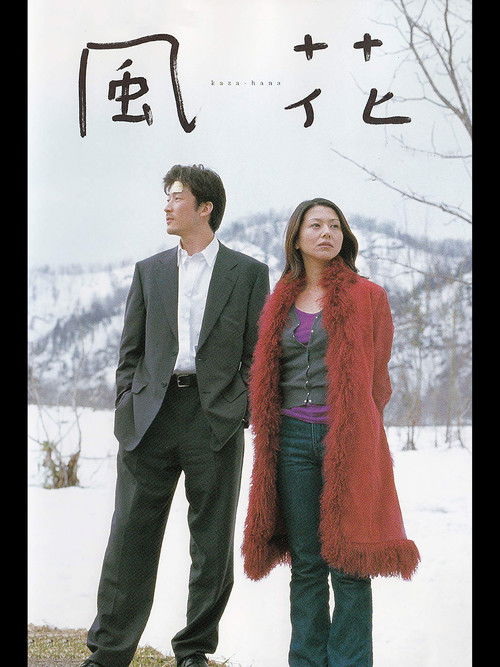
Kaza-hana delves into the interplay between social marginality and state authority. By placing a government worker alongside a hostess, the film breaks down rigid societal boundaries. The narrative centers on existential exploration rather than traditional moralizing. It shifts from straightforward storytelling to examining characters on the fringes of conventional society. While the film provides a critical look at social hierarchies, it remains firmly set in a specific cultural context with limited racial and disability representation.
Category Breakdown
The film sets a scene in a 'pink club,' which touches on themes of non-traditional sexuality. Though specific LGBTQ identities aren't confirmed, the movie challenges typical social expectations.
The film levels the playing field by focusing on a woman from a underrepresented profession. Her actions drive the plot, challenging traditional gender hierarchies.
The story unfolds in a Japanese cultural context, highlighting social layers. It emphasizes identity complexities within a specific cultural framework without broad racial diversity.
The narrative questions traditional morality and institutional structures through its character interactions. It dismantles the boundaries of 'respectable' society, presenting a more nuanced reality.
There is no evidence regarding the portrayal of physical or neurodivergent disabilities in this work.
Present on Screen
Limited or Absent
Official Synopsis
A government employee meets a hostess of a "pink club," and together they set out on a journey.
1971
1997
2001

2005
2020

1990

1997

2009
No reviews yet. Be the first to share your thoughts on this movie!
Use the rating form above to leave a star rating and optional review.