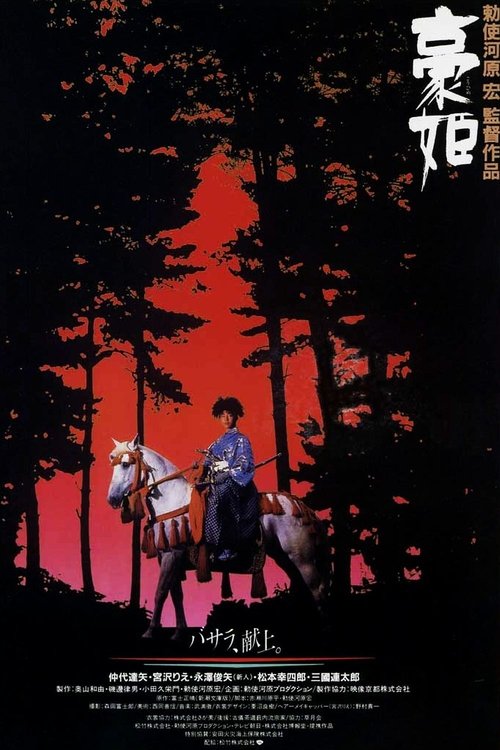
Basara: The Princess Goh
1992
No user ratings available yet
Representation score: 3.6 out of 10

Representation Score
Limited
1989
Director
Hiroshi Teshigahara
Runtime
135 minutes
Average Rating
No ratings yetNew Showbiz Analysis
Rikyu is a work of profound aesthetic and philosophical depth that prioritizes historical authenticity over modern characters who reflect more than one aspect of diversity. Its narrative structure is deeply rooted in the traditional social hierarchies of 16th-century Japan. While the film lacks visibility for women and LGBTQ+ identities, it successfully critiques material excess and the corrupting influence of absolute power. By presenting the aesthetician as a moral victor over the warlord, it disrupts conventional expectations of power. Ultimately, the film explores the tension between nature, ritual, and human instinct, favoring spiritual morality over the rigid dictates of a centralized state.
Category Breakdown
The film strictly adheres to the rigid masculine norms of the Sengoku period, with no depiction of non-traditional gender identities or same-sex relationships.
The narrative focuses heavily on male figures and their philosophical struggles, relegating women to peripheral roles without giving them a significant role in driving the story.
An all-Japanese cast accurately reflects the 16th-century setting, emphasizing historical realism over contemporary demographic diversity.
The film critiques material excess by contrasting minimalist aesthetics against lavish opulence, challenging the notion that wealth equals spiritual superiority.
There are no prominent depictions of physical or cognitive disabilities used as central plot devices or character traits.
Present on Screen
Limited or Absent
Official Synopsis
Late in the 1500s, an aging tea master teaches the way of tea to a headstrong Shogun. Through force of will and courageous fighting, Hideyoshi becomes Japan’s most powerful warlord, unifying the country.
1992
1954
1978
1999
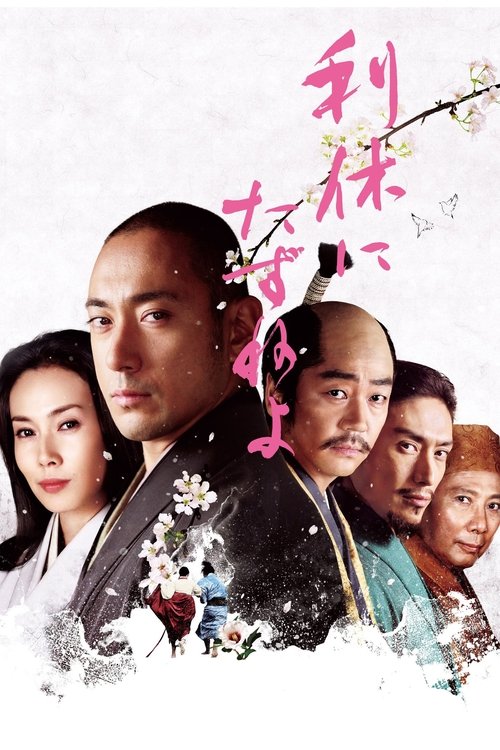
2013
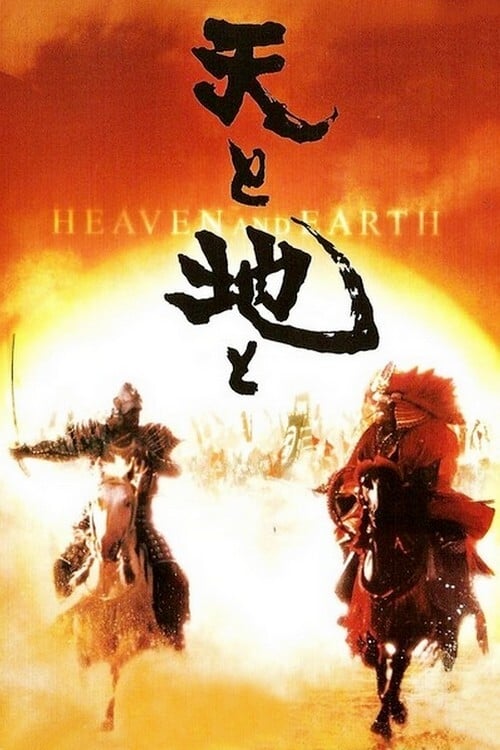
1990
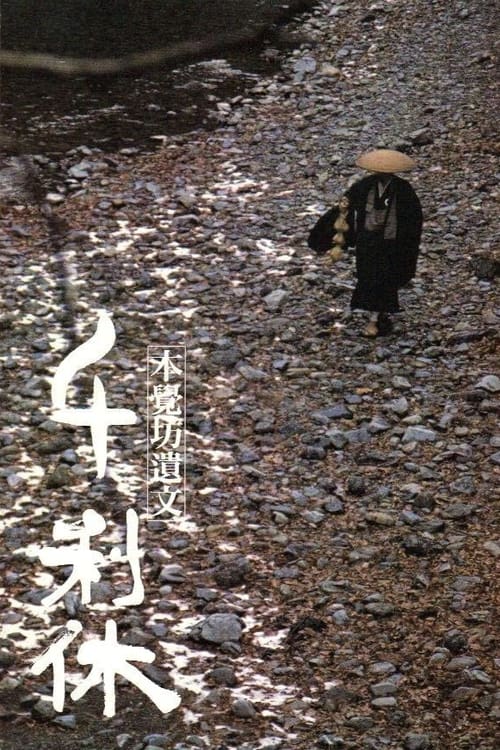
1989
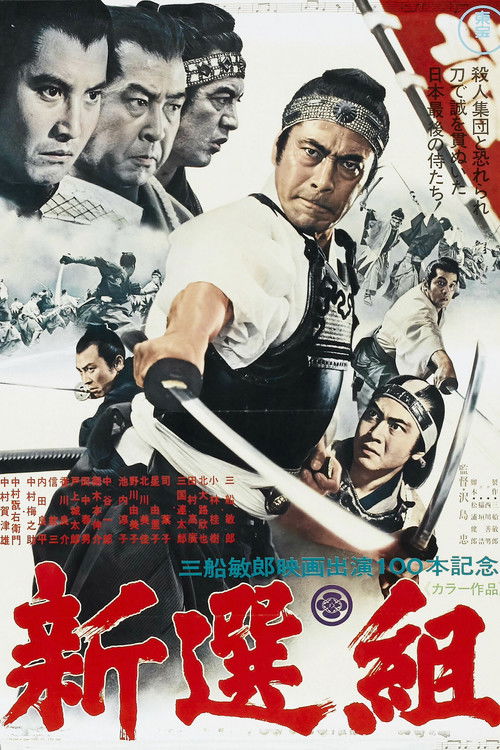
1969
No reviews yet. Be the first to share your thoughts on this movie!
Use the rating form above to leave a star rating and optional review.