
Change of Life
1967
No user ratings available yet
Diversity score: 6.1 out of 10
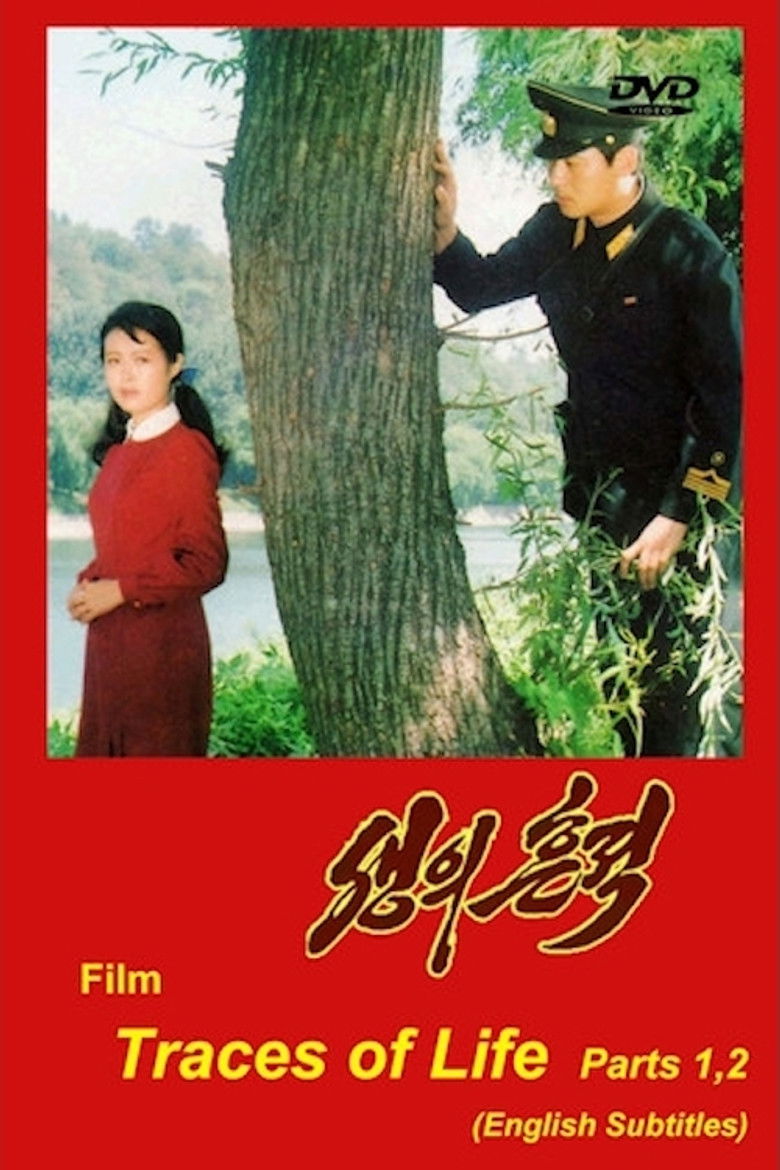
1989
Director
Jo Kyong-sun
Runtime
122 minutes
Average Rating
No ratings yetSynopsis
This is the story of Ji Jun, the widow of a sailor who swims out to an American warship with a mine in his hands and destroys it Kamikaze fashion during the Korean War. The sailor is a true believer in the revolution, while his wife cares more about what goes on in the household. In a change of heart, she decides to return to his farming village and work with the other beneficiaries of land reform to produce food for the revolution.
Overall Score
Fair
Category Breakdown
LGBTQ+ Representation
The film lacks any evidence of LGBTQ+ characters or non-heteronormative identities. The story focuses exclusively on a traditional marital unit and collective social missions.
Gender Representation
The protagonist undergoes a significant arc of agency, transitioning from a passive domestic figure to an active participant in village labor. This subverts the submissive wife trope by centering her evolution.
Racial & Ethnic Diversity
The narrative depicts a homogeneous ethnic population consistent with the Korean War setting. It frames the conflict through a lens of national preservation against foreign intervention.
Religious & Cultural Diversity
The film is deeply rooted in anti-Western and anti-capitalist frameworks. It portrays land reform and the destruction of an American warship as moral and heroic necessities.
Disability Representation
There are no visible or mentioned depictions of physical or neurodivergent disabilities within the narrative.
Strengths
Areas for Improvement
AI Analysis
Traces of Life serves as a narrative of ideological mobilization. It succeeds in depicting female agency through a systemic shift, moving the protagonist from domesticity to revolutionary labor. However, this agency is ultimately channeled into state-sanctioned collective goals rather than individualistic exploration. The film's cultural identity is strong, presenting a clear, principled stance against Western-aligned structures. This provides a cohesive, albeit ideologically driven, worldview that prioritizes community survival over capitalist pursuits. Ultimately, the film's representation of identity is subsumed by a collective revolutionary identity. While it challenges certain social hierarchies, it lacks intersectional nuance or diverse character archetypes.
1967

2005
1980
1953
1959

1964

1970

1947
1951
1951
2003
1986
No reviews yet. Be the first to share your thoughts on this movie!
Use the rating form above to leave a star rating and optional review.