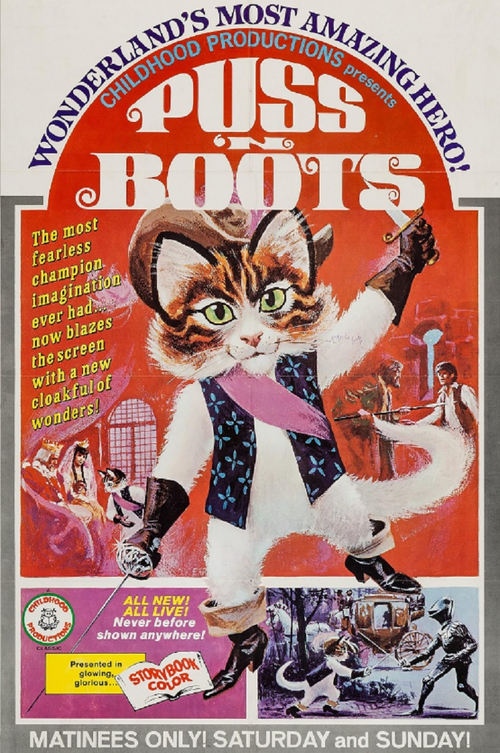
Puss 'n Boots
1955
No user ratings available yet
Representation score: 0.4 out of 10
Representation Score
Limited
1955
GDirector
Herbert B. Fredersdorf
Runtime
82 minutes
Average Rating
No ratings yetNew Showbiz Analysis
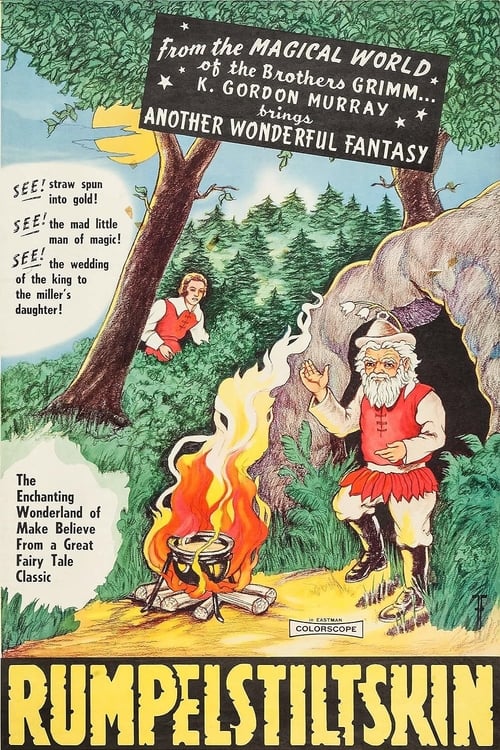
This 1955 adaptation of the Brothers Grimm tale preserves traditional European folklore. It prioritizes moralistic storytelling over social complexity, reinforcing the mid-century status quo through its narrative structure. The film lacks perspectives reflecting multiple aspects of identity, instead focusing on the homogeneous demographics and rigid gender hierarchies common to the genre and era. Characters exist to deliver a didactic lesson about greed and envy rather than challenging systemic norms.
Category Breakdown
The film follows the traditional assumptions of the 1950s, where everyone is assumed to be straight and cisgender. There are no depictions of non-traditional gender identities or same-sex relationships.
The female protagonist plays a minor role in driving the story, reacting primarily to the patriarchal forces around her. She is defined by her struggle to survive within a strict feudal system.
The casting and design reflect a homogeneous European population typical of the era. The film upholds a traditional view of historical folklore without incorporating diverse casting.
This educational play reinforces traditional virtues and social hierarchies. It presents morality through a singular, didactic perspective without exploring diverse ethical viewpoints.
There is no meaningful focus on physical or neurodivergent disabilities. The goblin's magical nature serves as a fantasy cliché rather than a nuanced character study.
Present on Screen
Limited or Absent
Official Synopsis
A goblin helps a miller's daughter spin straw into gold, asking in return for her first child, in this amusing 'teaching play' about greed, envy and helpfulness.
1955
1950
1984

1973
1906
1970
1956

1959
No reviews yet. Be the first to share your thoughts on this movie!
Use the rating form above to leave a star rating and optional review.