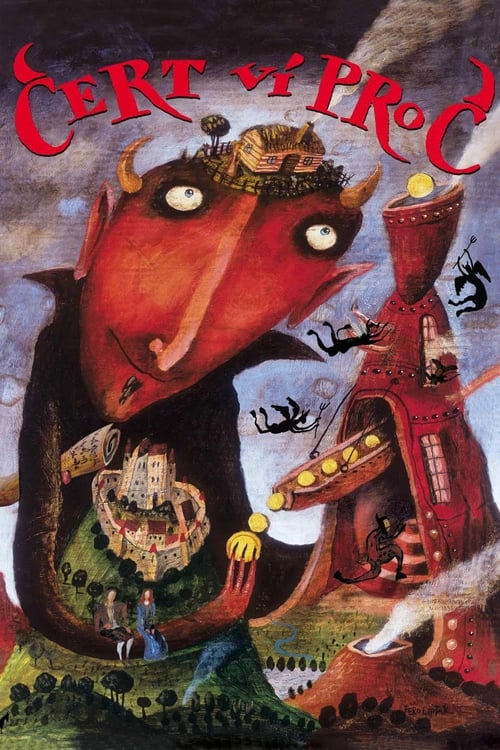
The Devil Knows Why
2003
No user ratings available yet
Representation score: 2.9 out of 10
Representation Score
Fair
1985
Director
Hynek Bočan
Runtime
95 minutes
Average Rating
No ratings yetNew Showbiz Analysis
Hynek Bočan’s fantasy uses folklore to explore the tension between individual ability to act and institutional authority. The film employs traditional archetypes, limiting its modern inclusivity but allowing for profound moral inquiry. While it lacks representation of LGBTQ+ identities or diverse racial backgrounds, the film excels in its cultural critique. It moves away from a rigid moral code to emphasize a more nuanced, character-driven ethics. Set in an 18th-century European context, the film focuses on the demographic realities of the time, using supernatural elements to question the Church's and military's absolute moral compass.
Category Breakdown
The film adheres to traditional folklore and straight-centered family structures. It does not depict any non-cisgender identities or same-sex relationships.
Dorota is a strong, though evil, antagonist who drives the plot through her defiance of domestic tranquility. She avoids fitting the passive character stereotype.
The cast is uniform, reflecting the 18th-century European context. The production does not attempt to diversify casting or include characters from different racial backgrounds.
The narrative critiques religious dogma by contrasting superstition with personal choice. It portrays morality as subjective rather than dictated by institutions.
The film examines themes of possession and the tension between medical science and religious practices. This suggests a historical perspective on neurodivergence or mental instability.
Present on Screen
Limited or Absent
Official Synopsis
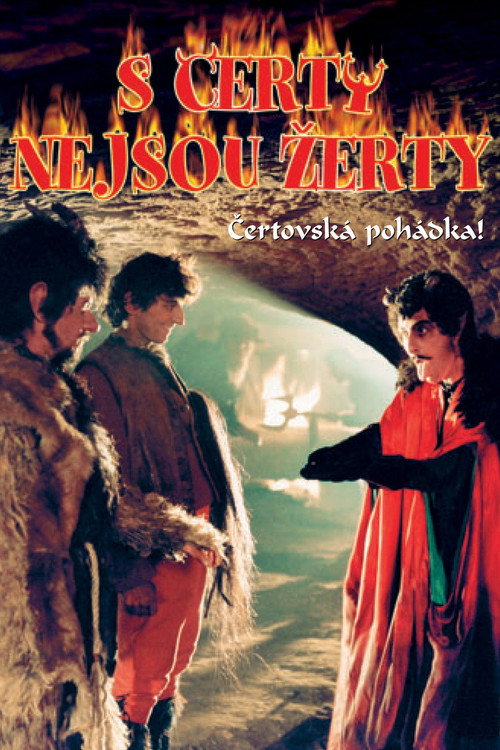
Dorota, a bad woman married the miller, out of sheer greed drives him to death. She then took the mill away from his son Peter and threw him out of the hime. Lucifer, who is known to rule in hell, sends out the devil Janek. He is supposed to fetch Dorota because the measure of her earthly sins is overflowing. But the devil himself can not handle this evil woman and flees to the military. There he meets Peter. By joining forces, they finally succeed in transporting the wicked Dorota to hell. Since then hell is hell. But for Peter, who is suddenly in possession of a magic mantle, begins a nice time, because strangely, the prince shows great interest in him.
2003
2012
1996
1987
2001
1987
1989
1991
No reviews yet. Be the first to share your thoughts on this movie!
Use the rating form above to leave a star rating and optional review.