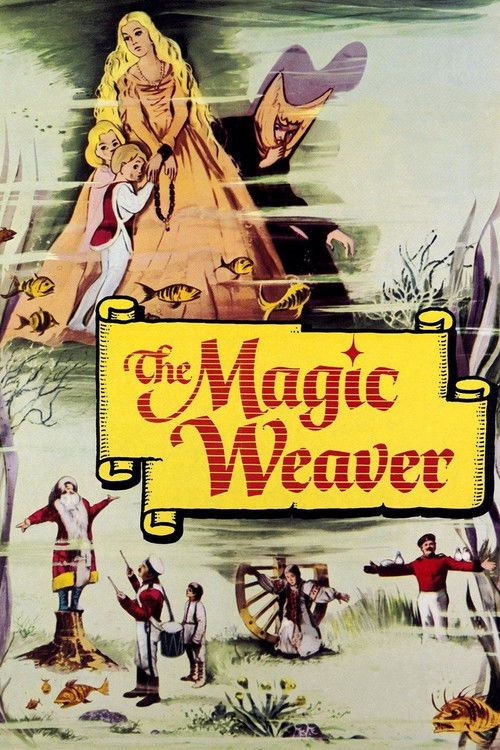
Maria, the Wonderful Weaver
1959
No user ratings available yet
Representation score: 3.1 out of 10
Representation Score
Minimal
1970
Director
Aleksandr Rou
Runtime
81 minutes
Average Rating
No ratings yetNew Showbiz Analysis
Barbara the Fair with the Silken Hair is a traditionalist work that prioritizes cultural preservation and classical storytelling. Its narrative structure is built on established folkloric clichés that reinforce traditional gender roles, monarchical stability, and ethnic homogeneity. The film does not engage with progressive values or characters who reflect more than one aspect of diversity, choosing instead to maintain the moral clarity and structural stability found in classical Slavic tales. Ultimately, the film focuses on preserving a specific cultural aesthetic and the heritage of Slavic folklore.
Category Breakdown
The film adheres to a traditional folkloric framework and does not include any LGBTQ+ characters or stories about non-cisgender identities.
Barbara, a central character, often relies on her beauty and royal status. The story follows traditional heroic clichés and does not challenge gender roles.
The cast is predominantly of Slavic ethnicity, reflecting the film's roots in Soviet-era folklore. It focuses on a single ethnic identity without incorporating multicultural elements.
The story upholds traditional social orders and the importance of the monarchy. It emphasizes a clear moral distinction between order and chaos, celebrating the restoration of the rightful ruler.
There are no visible representations of physical, sensory, or neurodivergent disabilities. Characters are portrayed according to the idealized standards of the fairy tale genre.
Present on Screen
Limited or Absent
Official Synopsis
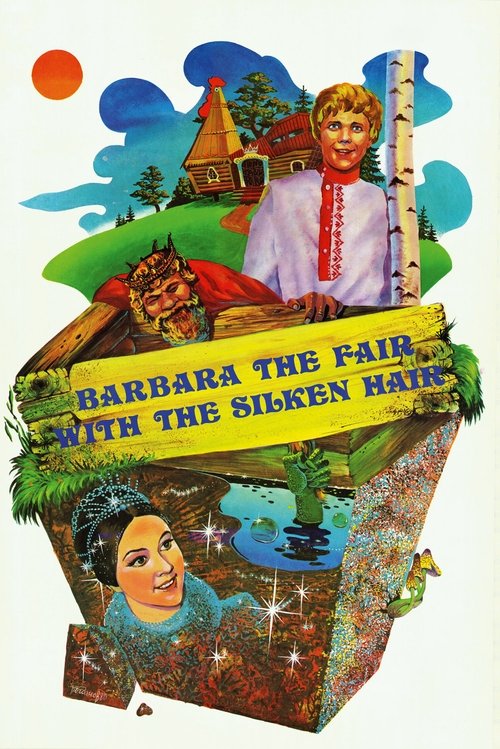
One day, King Yeremei decides to go on a long hike in order to consider all his areas and compile their register. A well appears on his way home, but as soon as the sovereign bent over him, he was seized by the underwater king Chudo-Yudo and demanded an unusual ransom for his release — that which is in the state of Yeremei, but which he does not know about. The tsar is forced to agree to these conditions, because he thinks that each blade of grass was taken into account in the inventory — he still does not suspect that in his absence the Queen gave birth to him an heir.
1959
1965
1944

1957
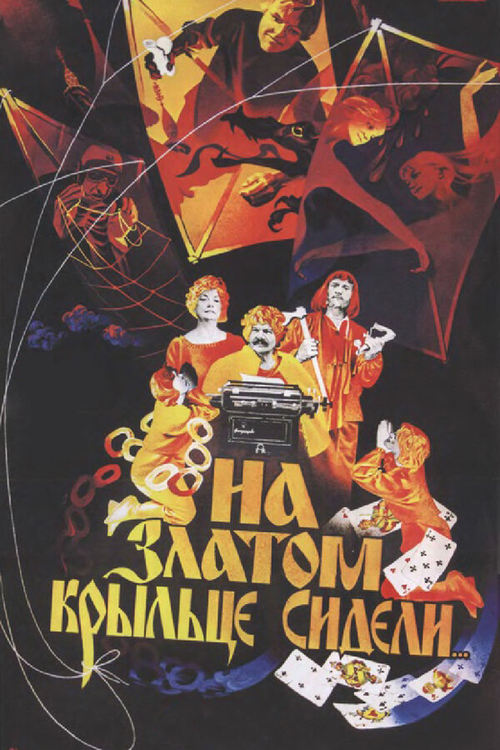
1986
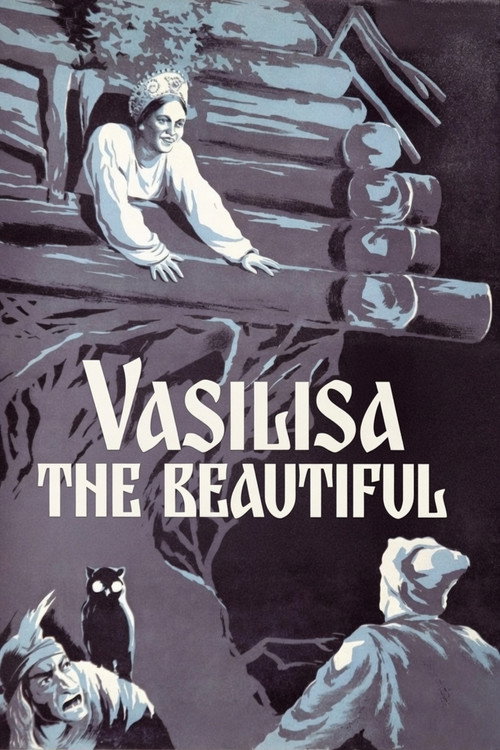
1940
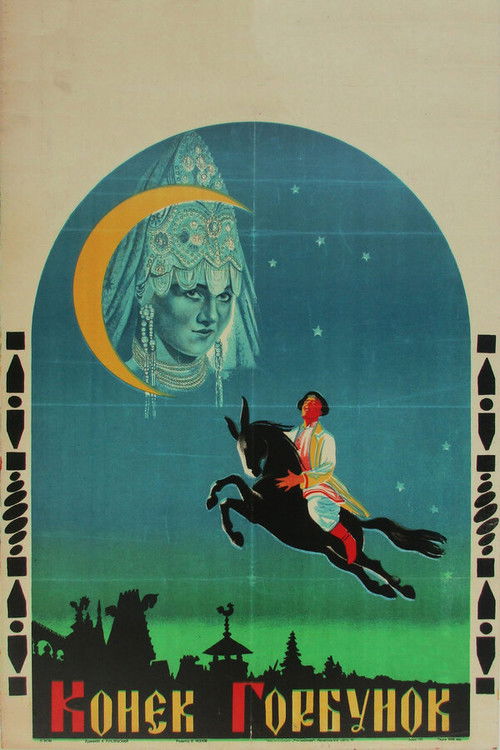
1941
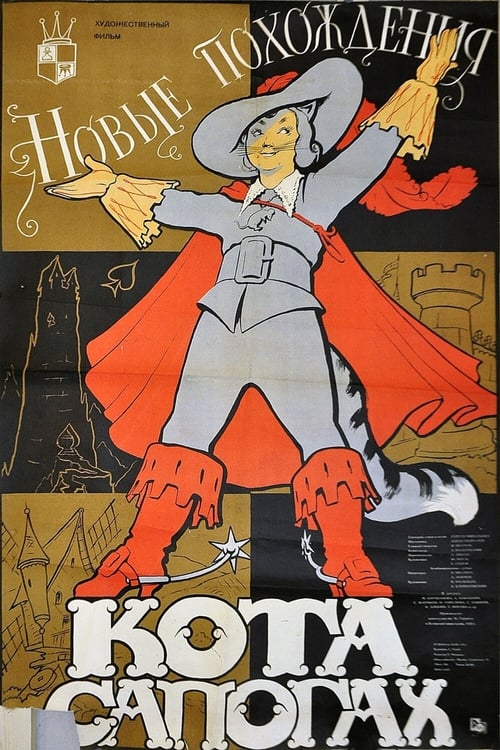
1958
No reviews yet. Be the first to share your thoughts on this movie!
Use the rating form above to leave a star rating and optional review.