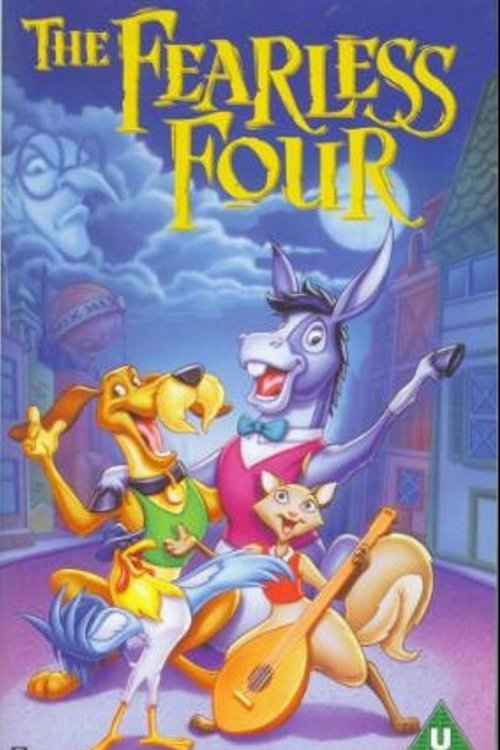
The Fearless Four
1997
No user ratings available yet
Representation score: 4.3 out of 10
Representation Score
Limited
1959
Director
Rainer Geis
Runtime
61 minutes
Average Rating
No ratings yetNew Showbiz Analysis
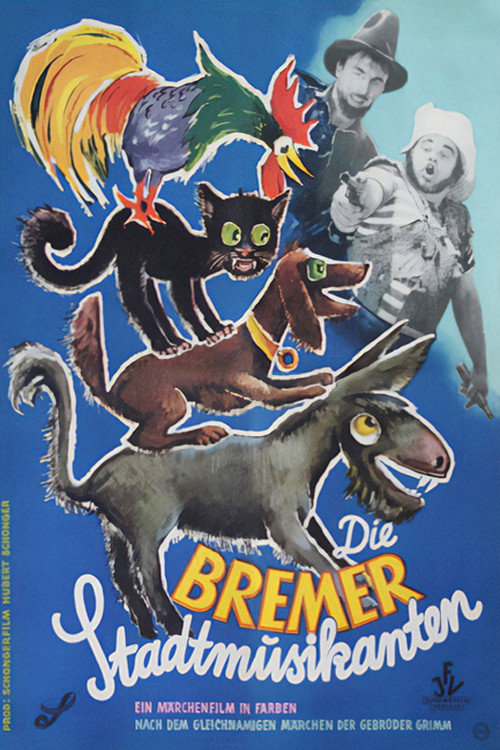
The film is a traditional folk-tale adaptation that adheres strictly to the storytelling conventions of 1959. It prioritizes a linear quest over social complexity, functioning as a standard fable. While the donkey's departure from an exploitative miller offers a minor critique of labor practices, the work does not challenge broader social hierarchies. Characters are defined by species archetypes rather than diverse human identities. Ultimately, the production reflects mid-century conventional norms and lacks the multi-layered depth or disruption of social structures found in more progressive works.
Category Breakdown
The film does not depict any non-binary or LGBTQ+ identities. It stays within traditional genre boundaries focusing on animal characters.
The story focuses on male animal characters who play a central role in driving the narrative. It does not explore diverse masculine identities or challenge traditional gender roles.
The story uses species-based archetypes rather than human demographics, reinforcing a homogeneous storytelling standard typical of 1959 fantasy productions.
The narrative follows a classic quest structure rooted in traditional morality. It lacks significant institutional critique or a focus on secularism, adhering instead to restorative folk logic.
The film uses aging as a narrative catalyst for the donkey's journey but does not explore disability or characters with ability to act beyond physical limitations.
Present on Screen
Limited or Absent
Official Synopsis
An old donkey resolves to break away from the unbearable hardships of working for a fat miller. By and by, he recruits three more unsatisfied animals and convinces them to accompany him on his way to Bremen where they want to become musicians.
1997

1957
1955
1950
1989

1995
1956
1972
No reviews yet. Be the first to share your thoughts on this movie!
Use the rating form above to leave a star rating and optional review.