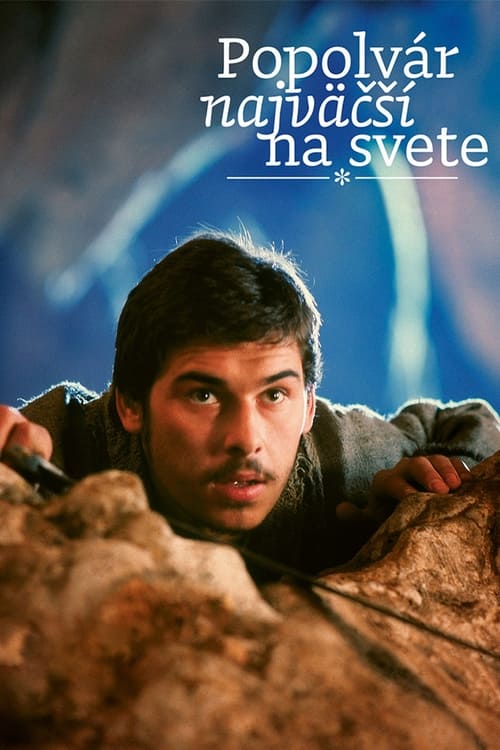
Popolvar, Biggest in the World
1982
No user ratings available yet
Diversity score: 3.2 out of 10
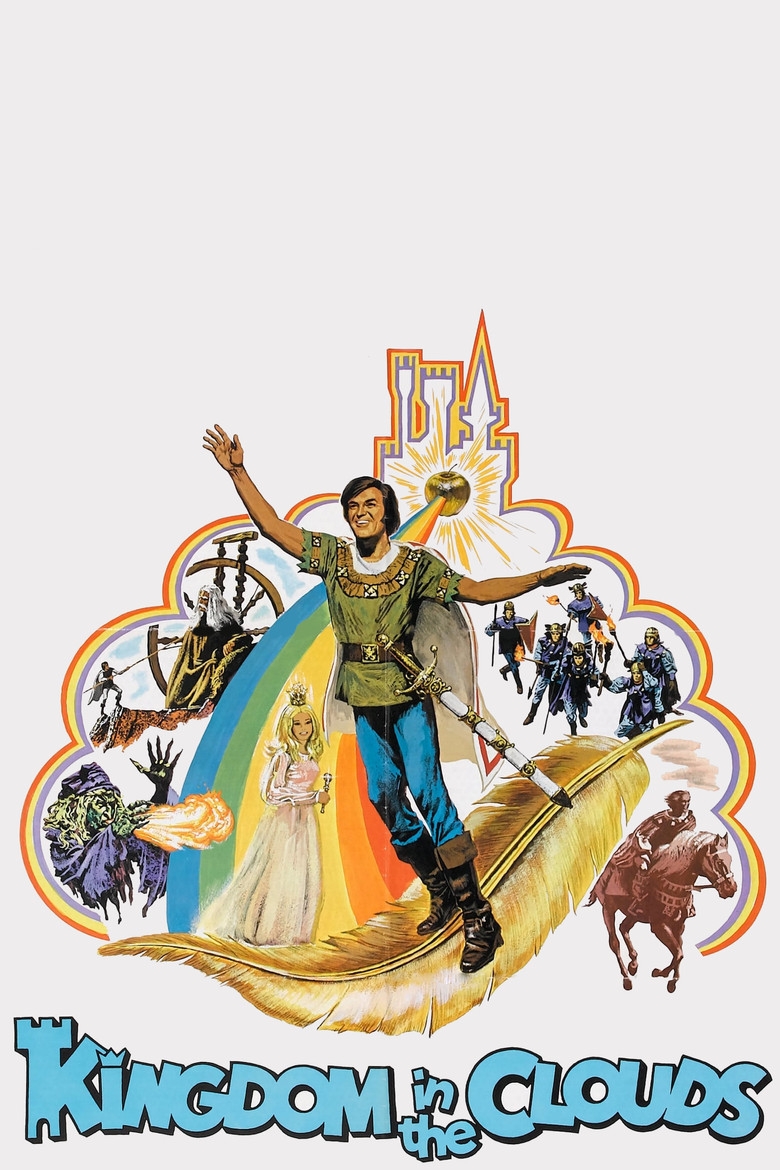
1968
GDirector
Elisabeta Bostan, Nicolae Codrescu
Runtime
87 minutes
Average Rating
No ratings yetSynopsis
A young man's quest for a kingdom promising eternal youth and immortality. To reach his goal he must fulfill the three wishes of the Emperor's daughter, retrieve three golden objects, answer three riddles set by the Lord of Time, and overcome an evil witch and escape the Kingdom of Lies ruled by an evil Emperor and the young man's nemesis, the Prince of Lies. In return for good deeds along the way, he is given a magical horn and feather to aid him in his quest and is served by a flying horse, All this before he can finally enter the Kingdom of Youth without Old Age and Life without Death and marry the Emperor's daughter.
Overall Score
Limited
Category Breakdown
LGBTQ+ Representation
The film follows a traditional heteronormative trajectory. The central plot focuses on a quest that culminates in a marriage between the male protagonist and the Emperor's daughter.
Gender Representation
Female characters occupy archetypal roles defined by their relationship to the hero. They serve either as a prize to be won or as sources of conflict, such as the evil witch.
Racial & Ethnic Diversity
The setting reflects a homogeneous Eastern European cultural context typical of 1960s Romanian cinema. The mythical kingdom defaults to a singular ethnic aesthetic without visible intersectional breadth.
Religious & Cultural Diversity
The narrative relies on established moral binaries between good and evil. While it critiques corrupt authority through villains like the Prince of Lies, it adheres to conventional fairy-tale morality.
Disability Representation
There is no information available regarding characters with visible or invisible disabilities. No assessment can be made regarding neurodivergence or physical impairments.
Strengths
Areas for Improvement
AI Analysis
Kingdom in the Clouds operates as a classic folkloric fantasy rooted in traditional Romanian mythology. The narrative structure prioritizes the hero's journey, utilizing established archetypes that reinforce conventional social hierarchies. While the film offers a critique of corrupt authority through its villains, it remains tethered to heteronormative and gendered tropes. The protagonist drives the action, while female characters function primarily as catalysts or obstacles. Ultimately, the film serves as a preservation of national folklore rather than a vehicle for social subversion, offering limited representation outside of its specific cultural and era-appropriate framework.
1982
1975
1996
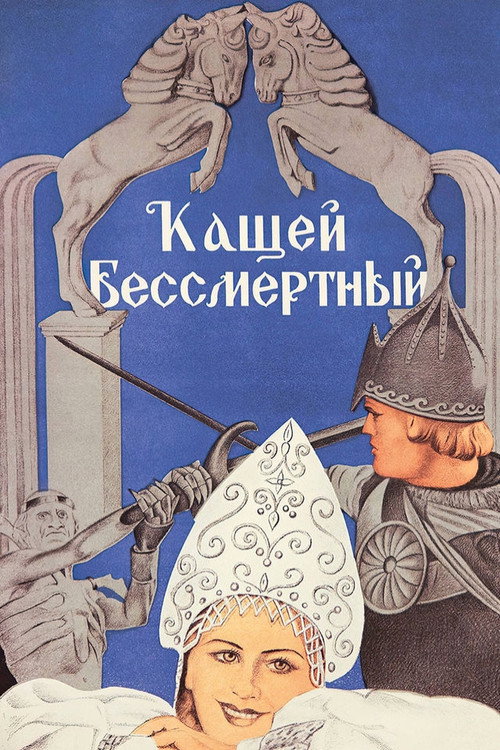
1944
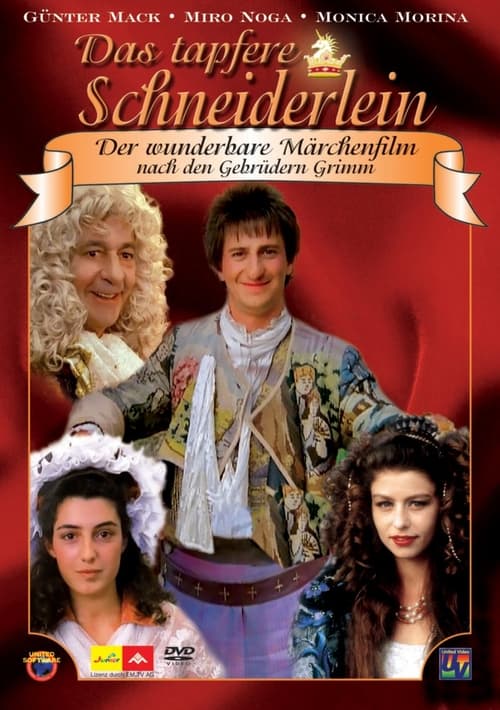
1991
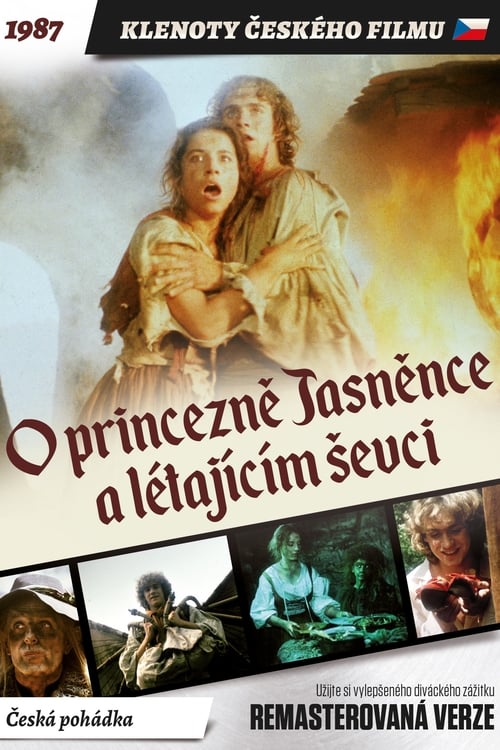
1987
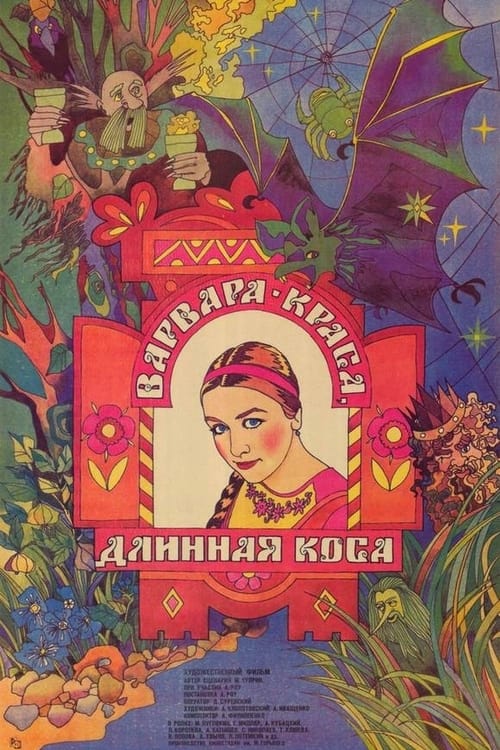
1970
1940
1960
1959
1982
1960
No reviews yet. Be the first to share your thoughts on this movie!
Use the rating form above to leave a star rating and optional review.