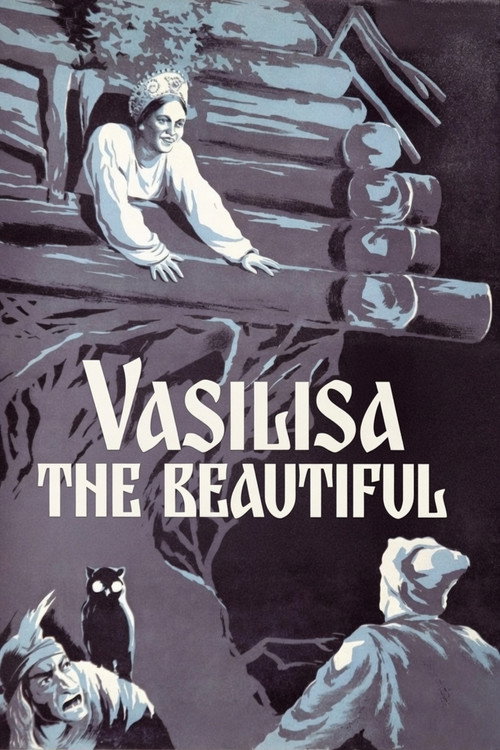
Vasilisa the Beautiful
1940
No user ratings available yet
Representation score: 2.0 out of 10
Representation Score
Limited
1944
Director
Aleksandr Rou
Runtime
64 minutes
Average Rating
No ratings yetNew Showbiz Analysis
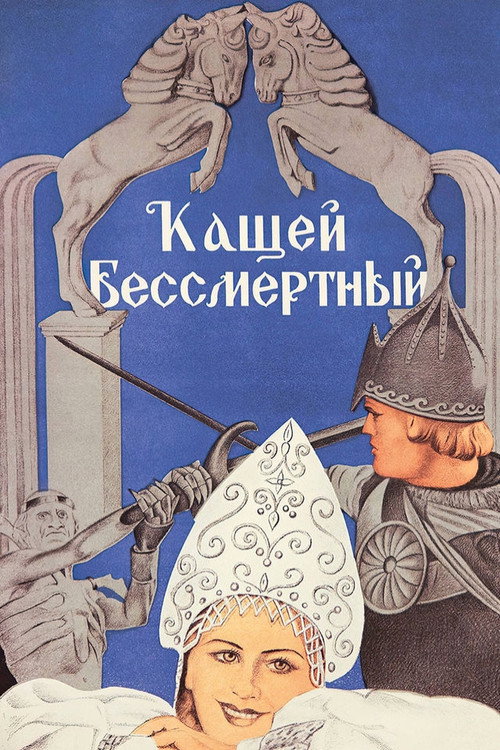
Kashchey the Immortal is a traditionalist fantasy that prioritizes the preservation of Slavic myth over the subversion of social norms. The film functions as a cultural artifact designed to reinforce established hierarchies and communal identity. The narrative relies heavily on classical archetypes, particularly regarding gendered roles and moral absolutes. While it offers a rich exploration of national folklore, it lacks multi-layered complexity or diverse representation. Ultimately, the film emphasizes stability and heroism through a lens of traditional social structures, making it a cohesive but non-subversive piece of historical cinema.
Category Breakdown
The film adheres to traditional courtship structures, focusing solely on the heterosexual relationship between Nikita and Marya, without representing non-binary or transgender identities.
Marya Morevna showcases her intellect through riddles, yet the story revolves around male physical strength. The narrative upholds a traditional hierarchy where the male serves as the protector.
The cast is ethnically uniform, celebrating Slavic folklore. It highlights a specific cultural identity without showcasing diverse backgrounds.
The story employs a simple moral framework of good versus evil. It reinforces cultural traditions and national myths without challenging them.
Characters are depicted as idealized, able-bodied figures. There is no representation of physical or neurodivergent disabilities in the narrative.
Present on Screen
Limited or Absent
Official Synopsis
A beautiful maiden, Marya Morevna, gives her prospective husband, the mighty warrior Nikita Kozhemyaka, three riddles to solve before she'll marry him. Before he can tell her the answers, the Russian land is invaded by the armies of Kashchey the Immortal, in whose footsteps death and destruction follow. Marya is abducted by Kashchey, and Nikita finds his home in ashes. Nikita meets a kindly wizard who gives him a cap of darkness. With it, the hero will find a way to save his bride and rout Kashchey.
1940
1965
1959

1957
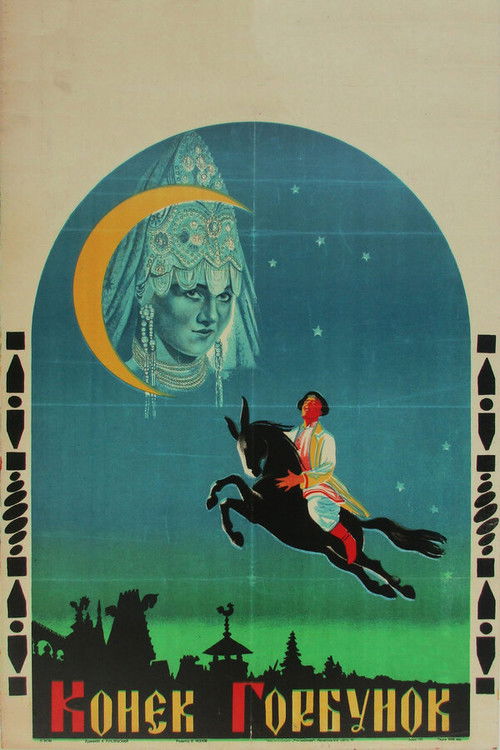
1941
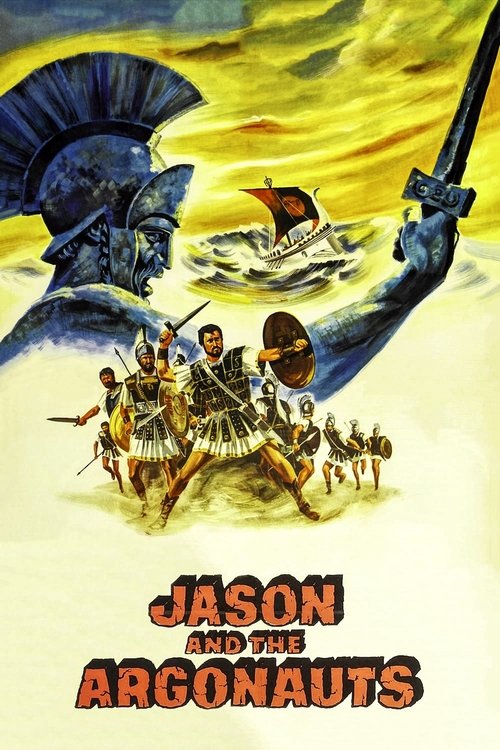
1963
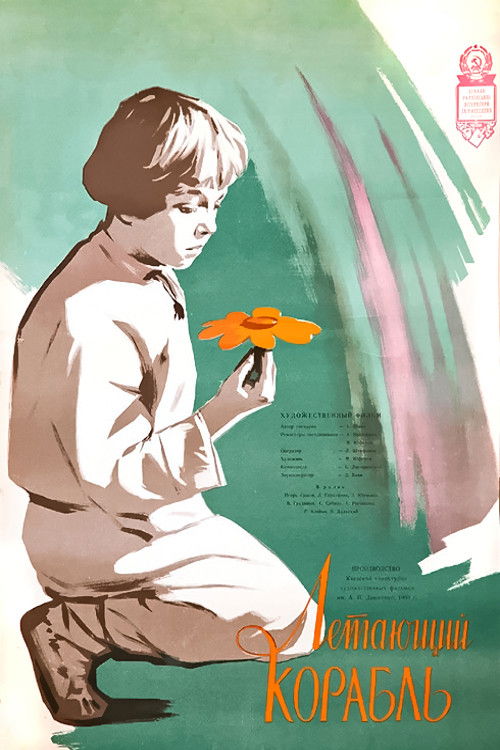
1960
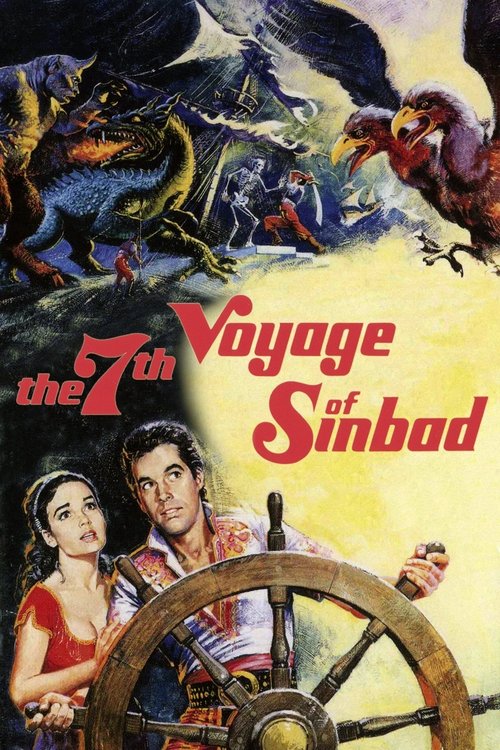
1958
No reviews yet. Be the first to share your thoughts on this movie!
Use the rating form above to leave a star rating and optional review.