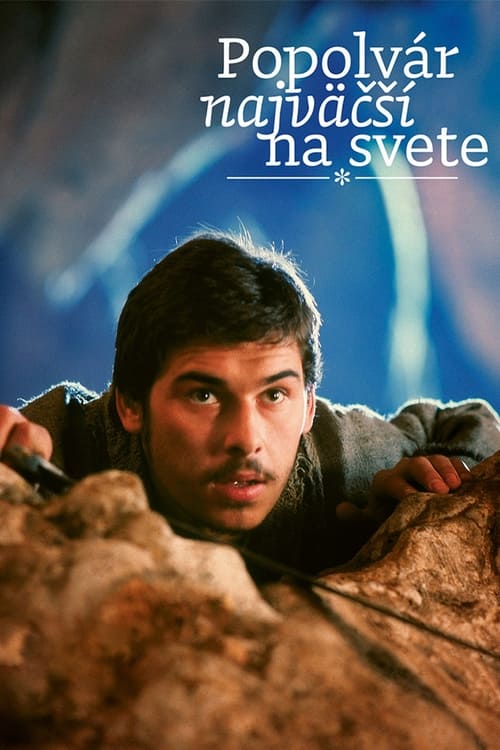
Popolvar, Biggest in the World
1982
No user ratings available yet
Diversity score: 3.2 out of 10
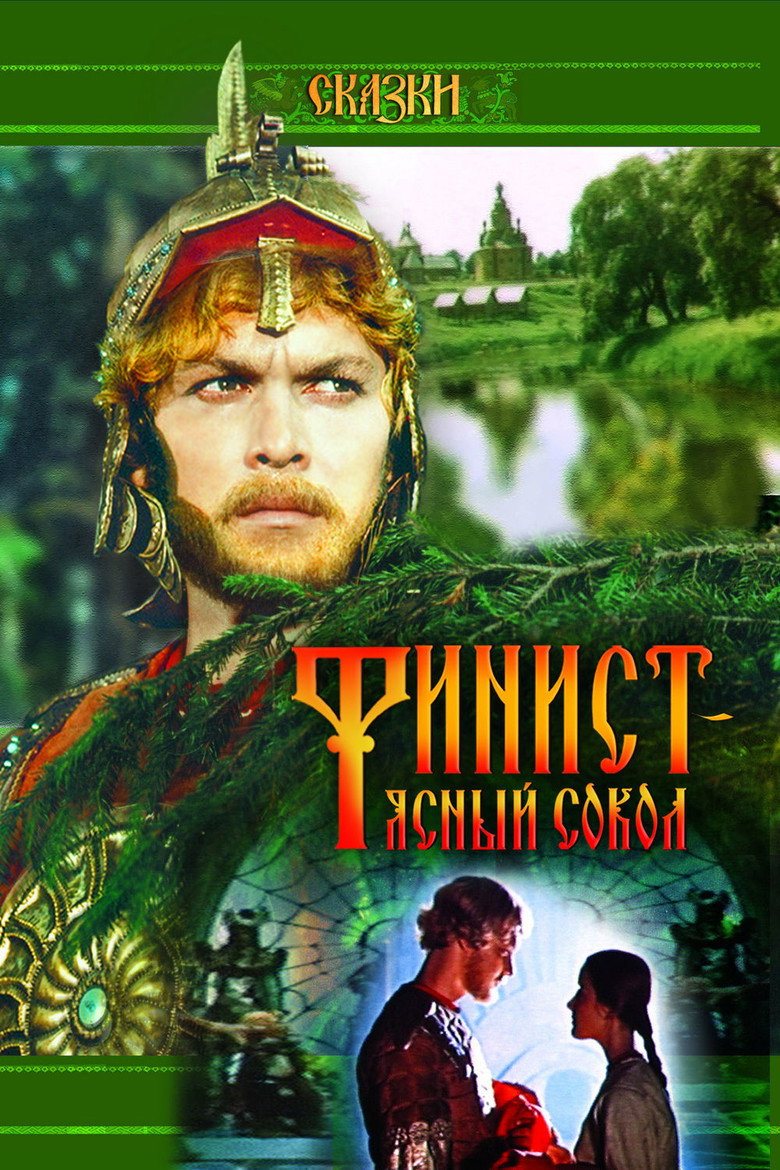
1975
Director
Gennadi Vasilyev
Runtime
79 minutes
Average Rating
No ratings yetSynopsis
This fairy tale film is dedicated to the memory of the great film director Alexander Row, the founder of the genre. Once upon a time there lived a brave and kind hero named Finist the Bright Falcon. He was famous for his strength, courage and a heart of gold. But one day the Russian land was attacked by an evil enemy, Kartaus, who turned our hero into a forest monster. This spell was cast on a condition that Finist might become a man again, should a beautiful girl, Alyonushka, fall in love with him while he was a beast.
Overall Score
Limited
Category Breakdown
LGBTQ+ Representation
The film follows a traditional heteronormative romantic structure. The plot centers on the bond between Finist and Alyonushka, reinforcing conventional romantic tropes without exploring non-cisnormative identities.
Gender Representation
Characters adhere to classical folk archetypes. Finist embodies traditional heroism and strength, while Alyonushka fulfills the 'beautiful maiden' role, focusing her agency on emotional connection to break a curse.
Racial & Ethnic Diversity
The setting and cast are ethnically homogeneous, reflecting the film's focus on Russian folklore. It celebrates a specific national heritage rather than engaging in intersectional or diverse casting.
Religious & Cultural Diversity
The narrative relies on moral absolutism and traditional folklore. It prioritizes clear distinctions between good and evil to uphold cultural mythos and traditional values of virtue.
Disability Representation
The protagonist's transformation into a forest monster serves as a magical plot device. There is no meaningful representation of neurodivergence or lived experiences of physical disability.
Strengths
Areas for Improvement
AI Analysis
Finest, the Brave Falcon is a traditionalist folk fantasy that prioritizes the preservation of classical archetypes. The narrative is deeply rooted in Russian folklore, focusing on a binary struggle between heroism and evil. While the film successfully celebrates a specific cultural heritage, it lacks intersectional depth. The character dynamics rely on established gender hierarchies and heteronormative romantic structures typical of mid-20th-century genre cinema. Ultimately, the work functions as a vessel for national mythos rather than a tool for social subversion or diverse representation.
1982

1968
1959
1970
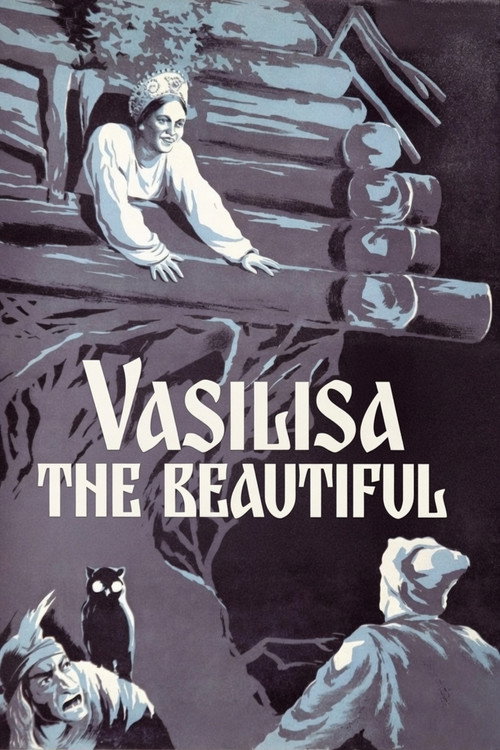
1940
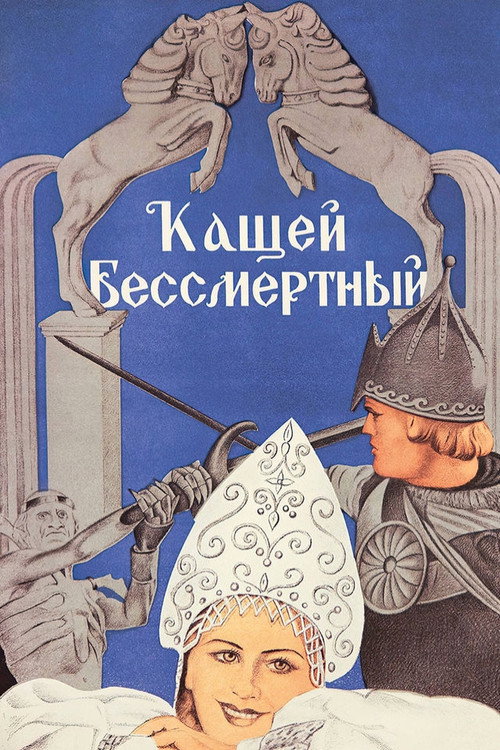
1944
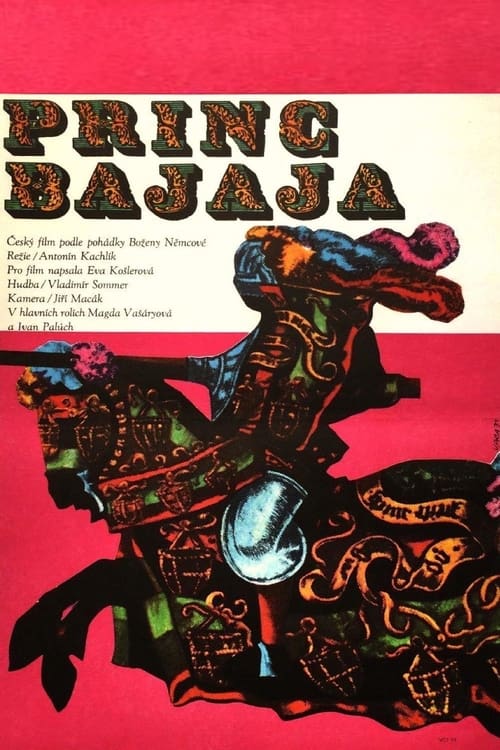
1971

1968

1967
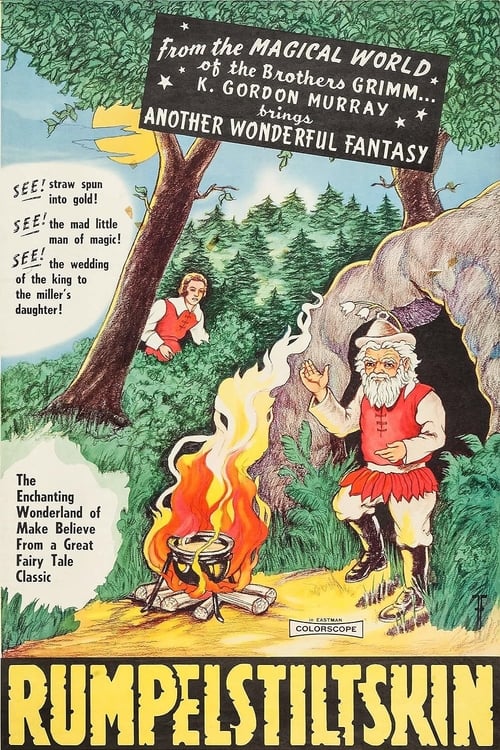
1955
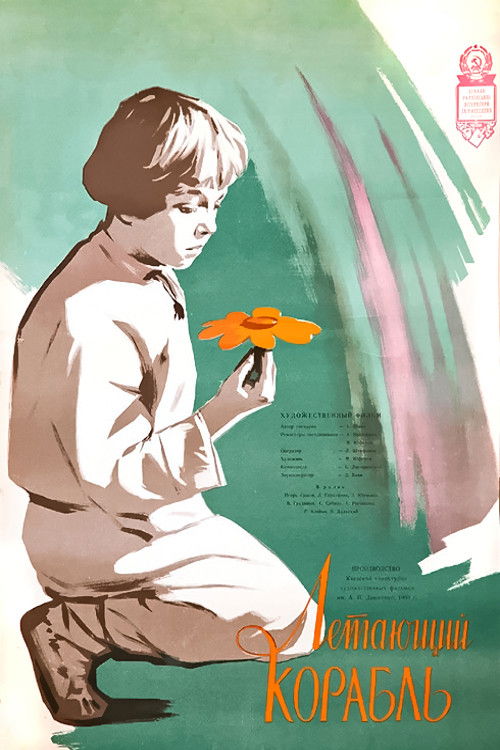
1960
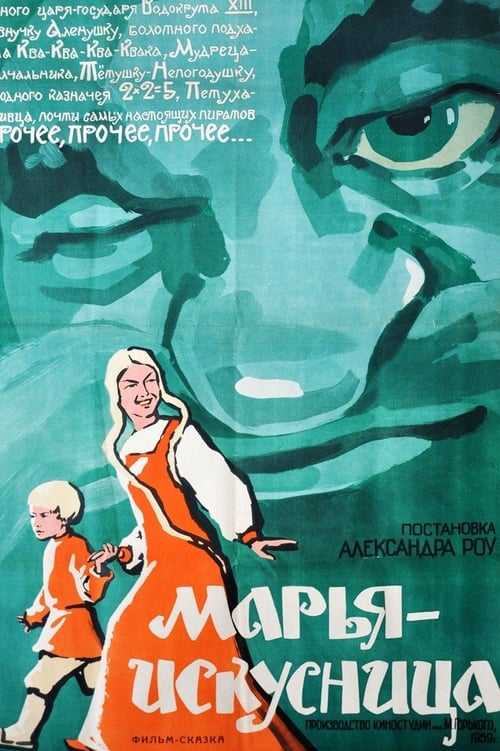
1959
No reviews yet. Be the first to share your thoughts on this movie!
Use the rating form above to leave a star rating and optional review.