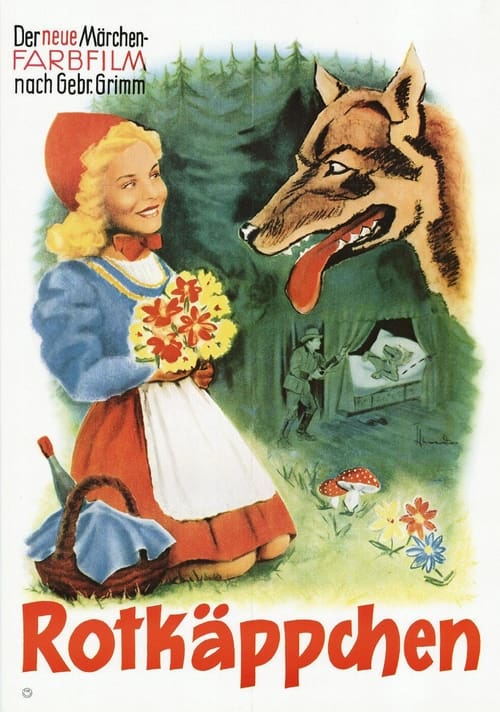
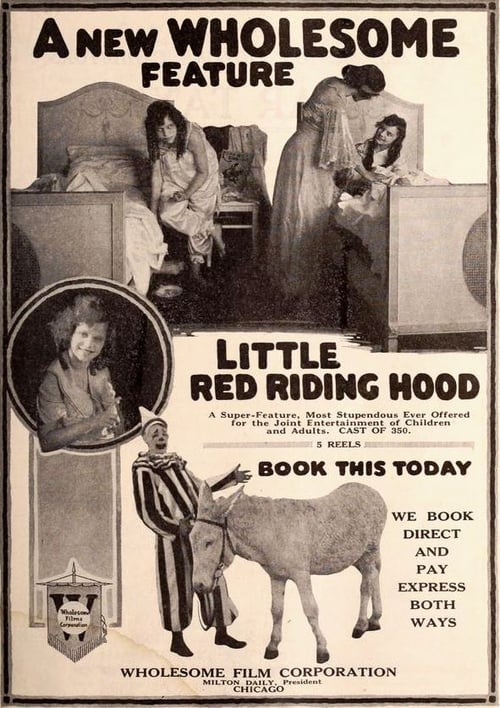
Little Red Riding Hood
1953
No user ratings available yet
Representation score: 1.6 out of 10
Representation Score
Minimal
1918
TV-Y7Director
Otis Thayer
Average Rating
No ratings yetNew Showbiz Analysis
This 1918 silent film reflects the social standards of its time, lacking the complexity of modern diversity. It adheres to homogeneous narrative structures that align with the social norms of the early 20th century. The film presents a traditional adaptation of Western folklore, avoiding disruption of established social hierarchies and failing to introduce diverse perspectives. Overall, the production does not address contemporary diversity standards, presenting a narrow view of the world through a traditional lens.
Category Breakdown
The film does not include any characters with non-straight or non-cisgender identities, nor does it show any same-sex relationships. It follows the strict heterosexual norms typical of early silent films.
Little Red Riding Hood is the main character, but she has limited influence over the plot. The story emphasizes traditional ideas of female vulnerability and the need for protection.
The production features a cast that reflects the homogeneity of the time, sticking to the era's standard of depicting Western folklore through a traditional lens.
The story operates within a traditional European framework, emphasizing conventional moral themes. It does not explore deconstructive or secular themes, reinforcing conventional morality.
There is no evidence of characters with visible or invisible disabilities in this production.
Present on Screen
Limited or Absent
1953
2017

2006
1977
1954
1915
1906
1988
No reviews yet. Be the first to share your thoughts on this movie!
Use the rating form above to leave a star rating and optional review.