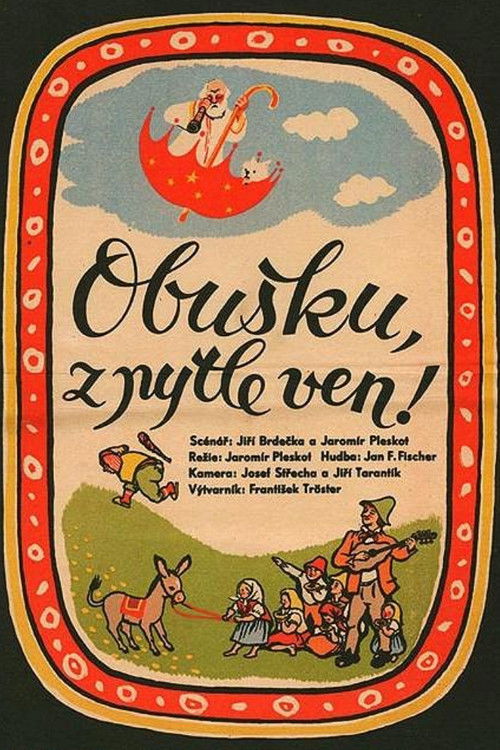
Baton Out of the Bag
1956
No user ratings available yet
Representation score: 3.5 out of 10
Representation Score
Limited
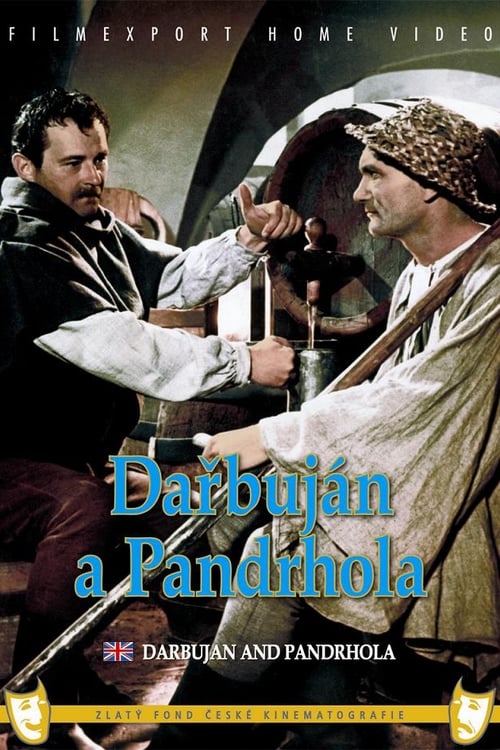
1960
Director
Martin Frič
Runtime
80 minutes
Average Rating
No ratings yetNew Showbiz Analysis
Martin Frič’s fantasy fable is a traditional folkloric work that prioritizes moral allegory over modern characters who reflect more than one aspect of diversity. It functions as a social commentary on human ability to act versus cosmic inevitability. The film excels in its exploration of class and systemic authority, using the struggle of a working-class miner to critique the disruption of natural laws. However, it remains limited by the social structures of its 1960 production era. Ultimately, the film is a localized, homogeneous narrative that focuses on domestic stability and patriarchal responsibility rather than diverse identity politics.
Category Breakdown
The film focuses on a traditional nuclear family structure and does not depict any non-cisgender identities or narratives that challenge the assumption that everyone is straight.
The narrative is primarily driven by the male protagonist, Kuba. His wife, Markýtka, is central to the family, but the plot follows mid-20th-century patriarchal clichés.
The setting and cast appear ethnically homogeneous within a localized Czech folkloric context. The story does not feature a multicultural framework or diverse casting.
The film explores class dynamics through a poor miner and critiques systemic order by depicting the imprisonment of Death. This provides a strong social allegory.
The narrative does not include characters navigating physical, neurodivergent, or mental health conditions.
Present on Screen
Limited or Absent
Official Synopsis
A poor miner, Kuba Dařbuján, cares for his wife Markýtka and eleven children. When a newborn arrives, he seeks a godfather and, finding only Death fair to all, accepts a pact: as a doctor whom Death accompanies at the foot of a patient’s bed, he can heal; but if Death stands at the head, no cure is possible. Kuba eventually heals even a miserly brewer, violating the pact and imprisoning Death, leading to a world where no one can die and unforeseen chaos follows.
1956
1965

1997
1959

1986
1954
1999
1982
No reviews yet. Be the first to share your thoughts on this movie!
Use the rating form above to leave a star rating and optional review.